Resource & Inventory Management in The Sinking City 2
Survival Resource System
A breakdown of inventory management and resource scarcity in The Sinking City 2 — what to carry, what to leave, and how to survive Arkham's drought of supplies.
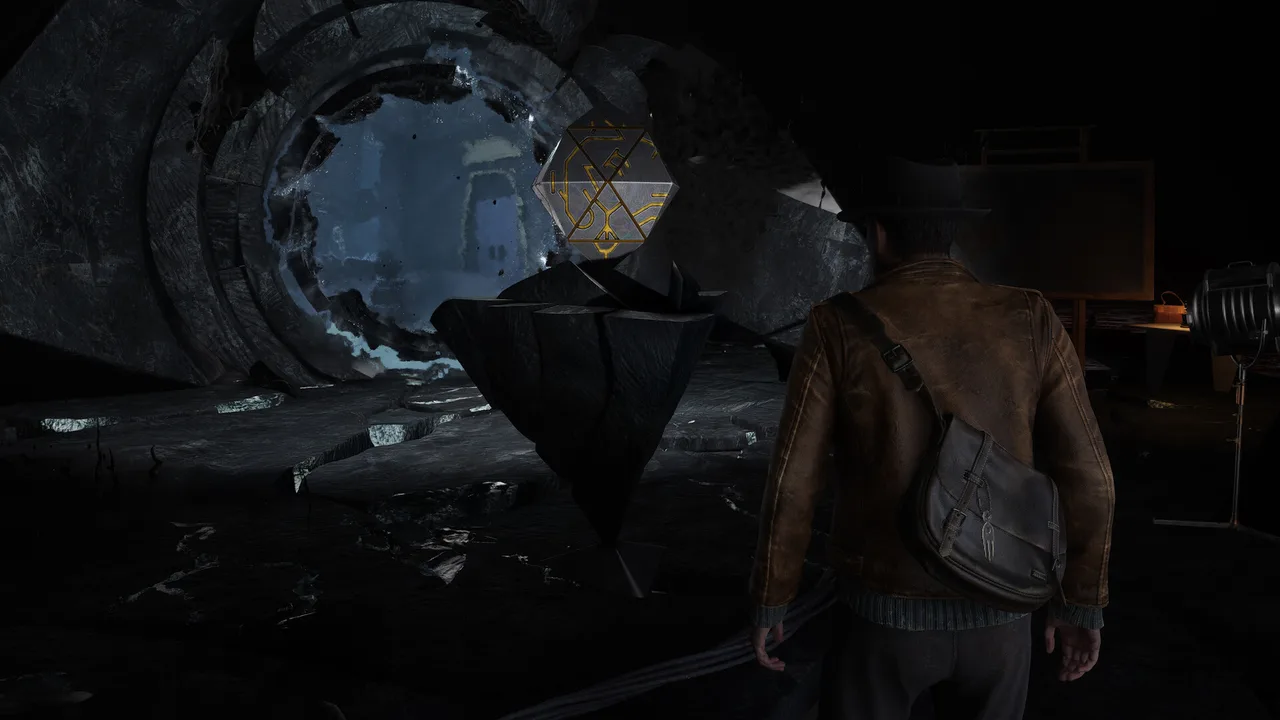
Every bullet you fire is a bullet you don't have for whatever comes next.
Arkham doesn’t have convenience stores. It has flooded ruins, locked cabinets, and the pockets of people who didn’t make it out. The Sinking City 2 builds its survival horror tension on scarcity — not just the jump-scares and the things in the water, but the slow dread of watching your ammo count drop to single digits while you’re three rooms deep in a building you haven’t cleared yet.
The inventory system is the mechanical backbone of that tension.
How It Works
From the demo and preview footage, TSC2 uses a grid-based inventory — think Resident Evil 4’s attache case rather than a bottomless RPG backpack. Items occupy physical space in the grid. A pistol takes up more room than a bandage. A stack of shotgun shells sits next to your last healing syringe, and you’re staring at the one open slot wondering whether the crafting components in the next room are worth picking up.
Resources fall into a few broad categories based on what we’ve seen:
| Category | Examples | Notes |
|---|---|---|
| Ammunition | Pistol rounds, shotgun shells, rifle cartridges | Scarce; each weapon type has its own pool |
| Healing | Bandages, syringes, medicinal herbs | Limited; no passive health regeneration |
| Crafting components | Scrap metal, chemicals, cloth, mechanical parts | Feed into the crafting system |
| Tools | Lockpicks, crowbar, bolt cutters | Reusable but take inventory space |
| Key items / clues | Evidence, quest objects | Likely stored separately from the main grid |
The scarcity is deliberate. Frogwares has repeatedly emphasized that TSC2 is not an action game with horror wallpaper — it’s survival horror where resources are genuinely thin. You’re expected to run out. You’re expected to face encounters where the smart move is avoiding combat entirely because the ammo cost isn’t worth it.
Why It Matters
Resource management in TSC2 turns every decision into a cascade. Explore that side room? You might find a box of shells — or you might bump into a Slither and spend more ammo than you gain. Craft a healing item now, or hold the components for something better later? Carry the shotgun for stopping power, or leave it to free up grid space for scavenging?
This connects directly to the game’s other systems in ways that feel intentional. The investigation board can reveal alternate routes that skip combat and save ammo. The flood reshapes districts, potentially cutting off supply caches you were counting on. Your character build might lean into efficiency — carrying more, crafting faster, finding more per search — which is itself a form of resource management.
The inventory grid also creates a natural pacing rhythm. You push forward until you’re running low, then you scavenge, then you push again. The grid being finite means you can’t just hoard everything — you have to make calls about what matters right now versus what might matter later. That constant triage is where survival horror lives.
Tips for Staying Supplied
Prioritize healing over ammo early on. You can dodge and run from most enemies; you can’t dodge the health bar hitting zero. One healing item in your grid is worth more than three extra rounds in most situations.
Don’t fight what you can avoid. This sounds obvious, but it’s the single most important resource tip. Every Deep One you sneak past is a magazine you keep for the encounter you can’t avoid. Learn enemy patrol routes, use the boat to bypass flooded zones, and pick your battles.
Scavenge systematically. Clear each room fully before moving on. Check under furniture, behind doors, inside drawers. The game reportedly rewards thorough searching — items aren’t just sitting on tables in plain sight. Some require tools like a crowbar or lockpick to access, so carrying those tools is an investment that pays off.
Keep crafting components when you have space. Raw components are more flexible than finished items. A stack of scrap metal can become ammo, a repair kit, or a tool upgrade depending on what you need when you reach a crafting bench. Finished items lock you into one use.
Watch for district-specific resources. Different areas of Arkham reportedly offer different salvage. Harbor districts might have more nautical supplies and tools; residential areas might lean toward medical supplies and food. Planning your route through the city with resource needs in mind could save backtracking.
The inventory grid won’t feel oppressive if you think of it as a puzzle rather than a limitation. You’re not being punished for wanting more — you’re being asked what you’re willing to sacrifice to get it.