Combat & Weak Points in The Sinking City 2
Survival Combat System
How combat works in The Sinking City 2 — over-the-shoulder shooting, enemy weak points, melee vs. firearms, and surviving encounters in flooded Arkham.
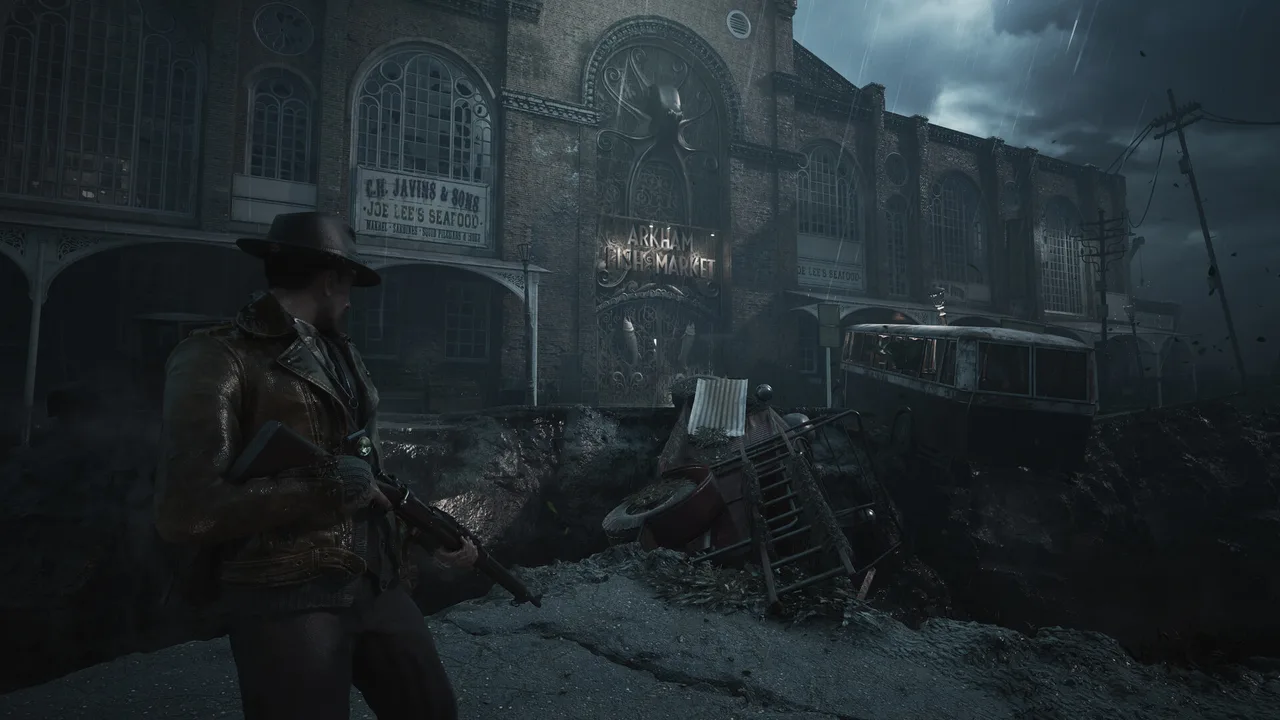
Aim for the glow. If it doesn't glow, aim for the joints. If nothing works, run.
Combat in The Sinking City 2 wants you to feel outmatched. Not helpless — you have guns, you have a melee option, you have environmental awareness and the ability to aim for weak spots that make monsters crumble faster. But the game stacks the deck just enough that every fight feels like a gamble with your limited supplies, and the smartest play is often not to fight at all.
That’s survival horror combat done right, if Frogwares pulls it off.
How It Works
TSC2 uses a third-person over-the-shoulder perspective for combat — similar to recent Resident Evil entries. You aim with one trigger, fire with the other. Movement slows while aiming. There’s no snap-to-target auto-aim based on what we’ve seen in the demo; you place your shots deliberately.
The weak-point system is the centerpiece. Enemies in TSC2 have specific vulnerable areas — glowing spots, exposed organs, damaged limbs, joints that bend wrong. Hitting these weak points deals significantly more damage than body shots and can trigger special effects: staggering a charging enemy, disabling a limb so it can’t attack, or exposing an internal weak point that ends the fight fast.
Each enemy type has different vulnerabilities. A Slither — the animated dead that shamble through Arkham’s flooded streets — reportedly exposes a weak point on its torso when it rears back to attack. Deep Ones seem to have vulnerabilities in their head and throat region, but they’re fast and low to the ground, making those shots harder to land. The point is that learning enemy patterns matters as much as having enough ammo.
Firearms
The arsenal appears to include at least a revolver or pistol, a shotgun, and a rifle, with additional weapons likely appearing throughout the game. Each fills a role:
- Pistol: reliable, relatively common ammo, moderate damage. Your bread-and-butter for picking off weak points at medium range.
- Shotgun: devastating up close, wide spread makes weak-point targeting less precise but stagger potential is high. Ammo is rarer.
- Rifle: long-range precision for hitting weak points before enemies close distance. Very scarce ammo.
Frogwares hasn’t detailed the full weapon roster, but the demo suggests firearms feel weighty and deliberate rather than arcade-smooth. Reloading takes real time. Switching weapons isn’t instant. These animations create windows where you’re vulnerable — another reason not to pick fights carelessly.
Melee
Melee exists as a last resort and a resource-saver. You can swing whatever blunt or sharp object you’re carrying when the ammo runs dry or when a single enemy doesn’t justify spending a bullet. Melee damage is lower, range is obviously shorter, and you’re exposed to counterattacks.
But here’s the tradeoff: melee costs zero ammo. In a game where three spare pistol rounds might be the difference between surviving the next encounter and reloading a save, that matters. Expect to use melee more than you want to — especially in the early game when your supplies are thinnest.
Some enemy weak points may also be reachable only at melee range, though this isn’t confirmed. If a creature’s vulnerability is on its back, the logic of getting behind it and striking rather than wasting ammo trying to circle with a gun tracks with the game’s design philosophy.
Why It Matters
Combat in TSC2 is a resource drain by design. Every fight burns ammo, potentially burns healing supplies, and risks death. The game reportedly doesn’t shower you with materials afterward — you might kill a Deep One and find nothing useful on the other side. That means combat is a cost-benefit decision, not a default state.
This connects to exploration and investigation in a direct way. Knowing an alternate route through a flooded building — one that skips the room with three Slithers — saves you resources that matter later. The combat system incentivizes not just fighting well, but fighting selectively.
The sanity system reportedly interacts with combat too. Prolonged exposure to horrific enemies or lingering near eldritch anomalies can affect your mental state, potentially distorting your aim or perception. Fighting isn’t just a physical resource cost — it might be a psychological one.
Tips for Surviving Fights
Learn the telegraph. Every enemy attack has a wind-up animation. That wind-up is usually when the weak point is most exposed. Don’t panic-fire; wait for the opening and place your shot.
Mix melee and firearms. Open with a weak-point shot to stagger, then close in with melee to finish. This hybrid approach conserves ammo while keeping you relatively safe — the stagger gives you a window to swing.
Use the environment. Flooded streets and tight interiors aren’t just atmosphere — they affect combat. Waist-deep water slows your movement. Doorways create chokepoints. Darkness hides you from enemies that rely on sight. Work with the space, not against it.
Retreat is a strategy. If a fight isn’t going well, breaking line of sight and repositioning (or just leaving) is better than burning through your last supplies. You can often take the boat to another dock and approach from a different angle.
Arkham’s monsters are scary. Running out of bullets with two floors left to clear is scarier.