Deep Ones
Aquatic Horror
Everything we know about the Deep Ones in The Sinking City 2 — aquatic horrors lurking in Arkham's floodwaters, weak points, and combat tactics.
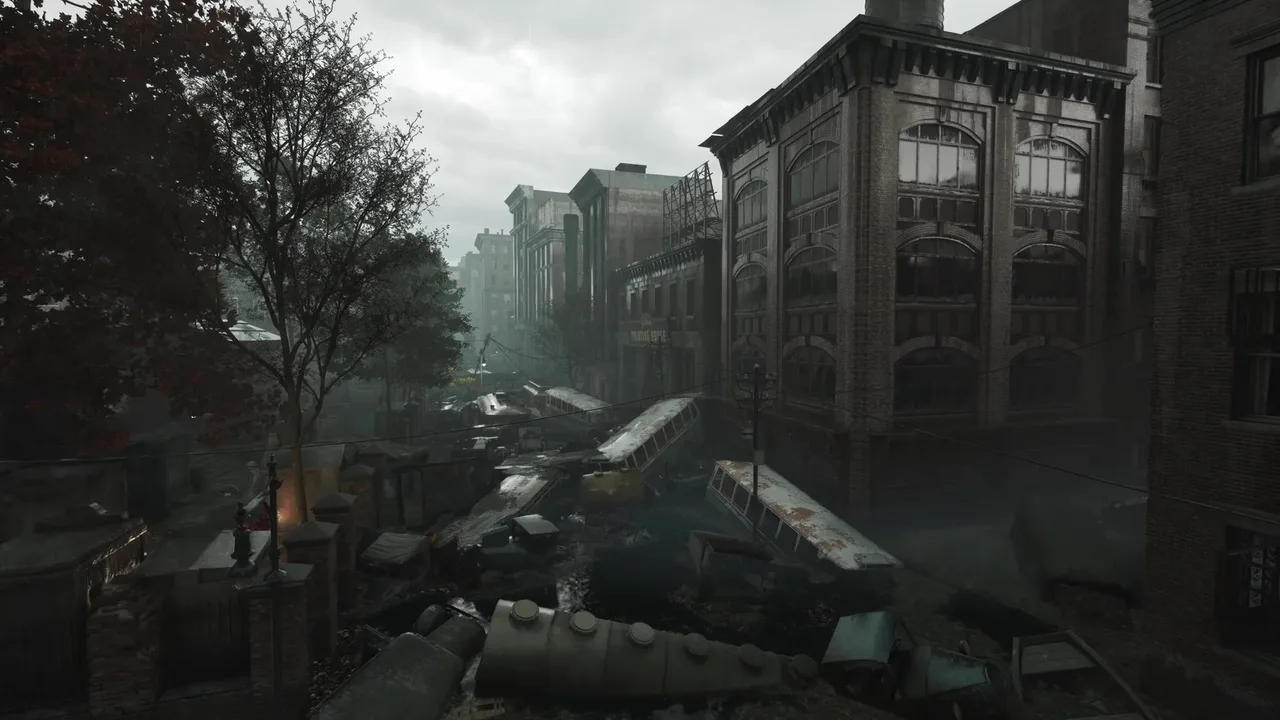
The water doesn't just rise. It brings things with it.
The Deep Ones are the signature aquatic threat of The Sinking City 2 and one of the few enemy types Frogwares has explicitly confirmed. If you’ve read any Lovecraft, you already have the silhouette in your head — hulking, fish-like humanoids that belong more to the ocean than to anything walking on two legs. In a game built around a drowned city, they’re practically the apex predator.
They’re not just lore dressing, either. Every time you step into water deeper than your knees, you’re stepping into their territory.
Lore
Lovecraft’s Deep Ones have always been creatures of uncomfortable hybridity — ancient ocean-dwellers that can breed with humans, worship the elder god Dagon, and live in coral cities beneath the waves. The Sinking City 2 pulls from that tradition but grounds them in the specific horror of Arkham’s supernatural flood. These aren’t creatures from some distant reef. They arrived with the floodwater, as if the drowning of the city was an invitation.
Scattered notes in the prologue demo hint at a Deep One presence that predates the flood itself — fishermen’s logs mentioning “congregations” in the harbor at low tide, a parish record of baptisms that “went wrong.” The flood didn’t create the Deep Ones. It just removed the barrier between their world and yours.
What makes them unsettling in TSC2 specifically is how the game frames water. Every flooded street, every submerged basement, every harbor you boat across is potential Deep One habitat. The flood isn’t just environmental storytelling — it’s the creature’s home turf rendered as level geometry.
Behaviour
Deep Ones are ambush predators. They operate from water, and they’re ruthlessly patient about it.
In encounters shown in preview footage, they surface fast, strike, and submerge again. They don’t stand in the open trading gunfire like a shooter enemy. Think of them more like crocodiles — you’ll hear a ripple or a low gurgling sound, and then something erupts from the waterline. If you’re standing at the edge of a flooded room, they’ll grab at your legs. If you’re in a boat, they’ll rock it or try to capsize you.
They seem to operate in loose packs. You’ll rarely face a single Deep One in isolation; where there’s one, there are usually two or three lurking nearby. They stagger their attacks, which means the real danger is getting focused on the one in front of you while another flanks from a submerged corridor.
On dry ground, they’re slower and clumsier. Their gait becomes an awkward, lurching run — still dangerous, but noticeably less fluid than their movement in water. This is your window.
How to fight it
The cardinal rule: don’t fight them in deep water if you can avoid it. You’re slower, your movement is restricted, and they’re in their element. If you hear the audio cue — that wet, clicking gurgle — back toward shallower ground immediately.
Their weak point appears to be the cranial ridge, the bony protrusion above their eyes. Headshots to this area deal significantly increased damage compared to body shots. With a revolver or rifle, two or three well-placed shots to the ridge can drop one before it closes distance.
Fire is your friend. Molotov-type throwables force them to surface and stagger, giving you a clear shot at the head. If you’re exploring a flooded district and you know Deep Ones are likely, keeping one fire-based throwable in reserve is worth the inventory slot.
When they surface to attack, there’s a brief animation window — they rise, brace, and lunge. That rise-and-brace moment is your best opportunity to land the headshot. Don’t panic-fire when you see the splash. Wait half a beat for the head to clear the water.
For boat encounters, the combat guide will likely cover specifics once the game launches, but from demo impressions: shooting from the boat is viable, and you can use the boat’s movement to kite them into shallower areas where they lose their speed advantage.
Conserve ammo. Deep Ones are tough enough that spraying into the water hoping to hit something will bleed your resources dry. Arkham’s resource scarcity means every bullet you waste on a body shot is a bullet you won’t have for the next encounter.
Where you’ll meet it
Deep Ones are tied to water, so expect them in every significantly flooded zone. The harbor districts are the obvious hotspot — anywhere you’re boating between locations is potential Deep One territory. Submerged interiors are arguably worse, because the confined space limits your ability to retreat to dry ground.
Based on the demo’s structure, you’ll likely first encounter Deep Ones relatively early, probably during an initial harbor crossing or when entering a flooded basement. Frogwares seems to use them as the game’s way of teaching you that water is never safe — a lesson the rest of Arkham will reinforce repeatedly.
Later encounters probably scale by adding more Deep Ones to a pack, placing them in tighter spaces, or combining them with other threats. A flooded room with Deep Ones and deteriorating sanity effects sounds exactly like the kind of layered horror TSC2 is going for.
They are Arkham’s floodwater given teeth. Respect the water, and you’ll survive them. Forget what’s underneath, and you won’t.