Sanity & Mind Pressure in The Sinking City 2
Psychological Horror System
How the sanity system works in The Sinking City 2 — what triggers mental pressure, how it affects gameplay, and ways to manage your detective's crumbling mind.
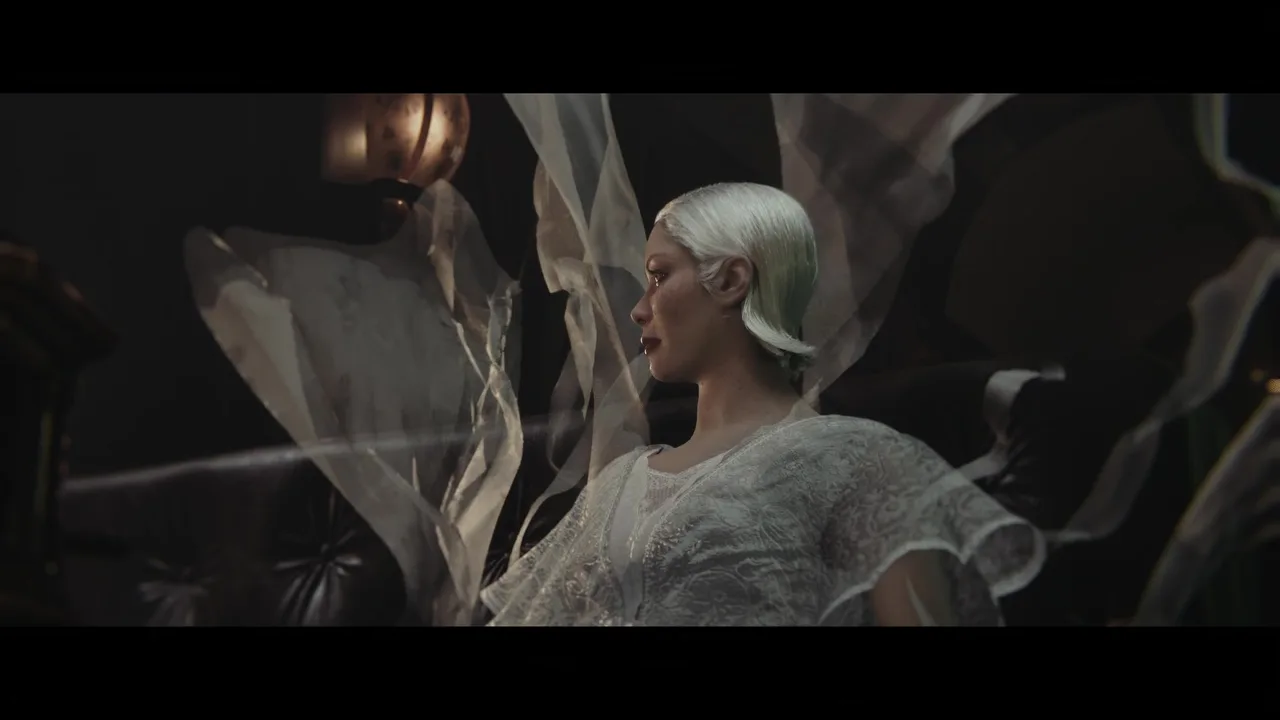
The water rises. So does everything you've been trying not to think about.
Something is wrong with your eyes. The walls are breathing — no, they’re not. That pale shape in the doorway was a coat rack. Probably. The water sounds like whispering if you listen too long, so you stop listening, but your hands are shaking and the gun sights won’t hold steady.
That’s the sanity system at work. The Sinking City 2 doesn’t just threaten your health bar and your ammo count — it goes after your character’s mind, and by extension, yours.
How It Works
Frogwares hasn’t released a full technical breakdown of the sanity mechanic, but between developer interviews, preview coverage, and what’s visible in the demo, we can piece together the shape of it. Your character has some form of mental pressure gauge — a sanity meter, essentially — that responds to the horror around you.
Triggers that increase mental pressure reportedly include:
- Proximity to eldritch entities. Standing near a Deep One or lingering around reality-bending anomalies grinds your psyche down even if you’re not in combat.
- Witnessing disturbing scenes. Corpses, ritual sites, the aftermath of whatever the flood dragged in. Arkham is full of things your character’s brain would rather not process.
- Extended time in darkness. The game’s environments lean dark and claustrophobic. Staying in unlit areas without a flashlight accelerates pressure. Light is a resource here, not just atmosphere.
- Combat stress. Fighting monsters — especially drawn-out fights or encounters with particularly alien enemies — takes a mental toll alongside the physical one.
As pressure builds, effects start creeping in. Visual distortions warp the screen — edges blurring, shadows moving where they shouldn’t, geometry subtly bending. Audio cues shift too: ambient sounds become more aggressive, whispers layer under the soundtrack, your character’s breathing gets ragged. These aren’t just cosmetic. At high pressure levels, gameplay is directly affected.
Based on preview footage, severe mental pressure can cause hallucinations — seeing enemies that aren’t there, or failing to distinguish real threats from phantoms. Your aiming may become less steady (weapon sway increasing). Environmental navigation reportedly gets harder as spatial distortion makes it difficult to read the layout of a room. In extreme cases, Frogwares has hinted at the game presenting you with choices or perceptions that aren’t real — doors that don’t exist, paths that loop, figures that might be survivors or might be traps.
Why It Matters
The sanity system turns Arkham itself into an antagonist. It’s not enough to manage your ammo and healing items — you also have to manage exposure. Every minute spent in a dark, flooded basement searching for clues or supplies is a minute your mental pressure climbs. The game creates a constant tension between thoroughness and self-preservation.
This has real mechanical teeth. If high sanity pressure genuinely makes aiming worse and combat harder, then it feeds directly into the combat system. You need steady hands to hit weak points. You need clear vision to spot incoming threats. A player at maximum mental pressure is fighting the controls as much as the monsters — and in a game where resources are scarce, wasting shots because your hands are shaking is a death spiral.
It also shapes exploration pacing. You can’t just marathon through Arkham’s worst districts. You need to surface — metaphorically and maybe literally. Find safe spaces. Catch your breath. Let the pressure drop before diving back in. The boat might serve as a soft safe zone, a place where the open air and distance from enclosed horrors let your character’s mind settle slightly.
The first Sinking City had a sanity mechanic, but it was relatively surface-level — mostly visual effects. TSC2 reportedly pushes it further into gameplay-affecting territory, which tracks with the genre shift toward tighter survival horror. When your own perception is unreliable, every room feels dangerous even before anything attacks.
Tips for Managing Your Mind
Don’t rush through dark areas — but don’t linger either. Move with purpose. Searching a room systematically is faster than fumbling around in a panic, and you spend less total time in the pressure zone.
Use light sources. If the game gives you a flashlight, lantern, or any portable light, use it in dark interiors. Light appears to slow or reduce mental pressure buildup. Finding lit areas or creating light might be as important as finding ammo.
Retreat to safer ground when pressure is high. If the screen is warping and you’re hearing things, pushing deeper is a bad call. Back out, return to a calmer environment, and let the meter drop. Coming back at lower pressure means better aim, clearer vision, and fewer phantom threats.
Pay attention to what’s real. At high sanity pressure, the game may show you things that aren’t there. If an “enemy” doesn’t react to sound, doesn’t leave footprints in the water, or appears and disappears between blinks — it’s probably a hallucination. Save your ammo.
Factor sanity into your build. The progression system likely includes options that affect sanity — resistance to pressure buildup, faster recovery, or the ability to function better at high stress. If you know you’re the type to explore every corner, investing in mental resilience could pay off more than an extra damage upgrade.
The monsters want your body. Arkham wants your mind. Keep both.