Character Progression & Build Customization in The Sinking City 2
Upgrade & Build System
How character progression works in The Sinking City 2 — upgrades, build customization, and tailoring your detective's abilities to match your survival strategy.
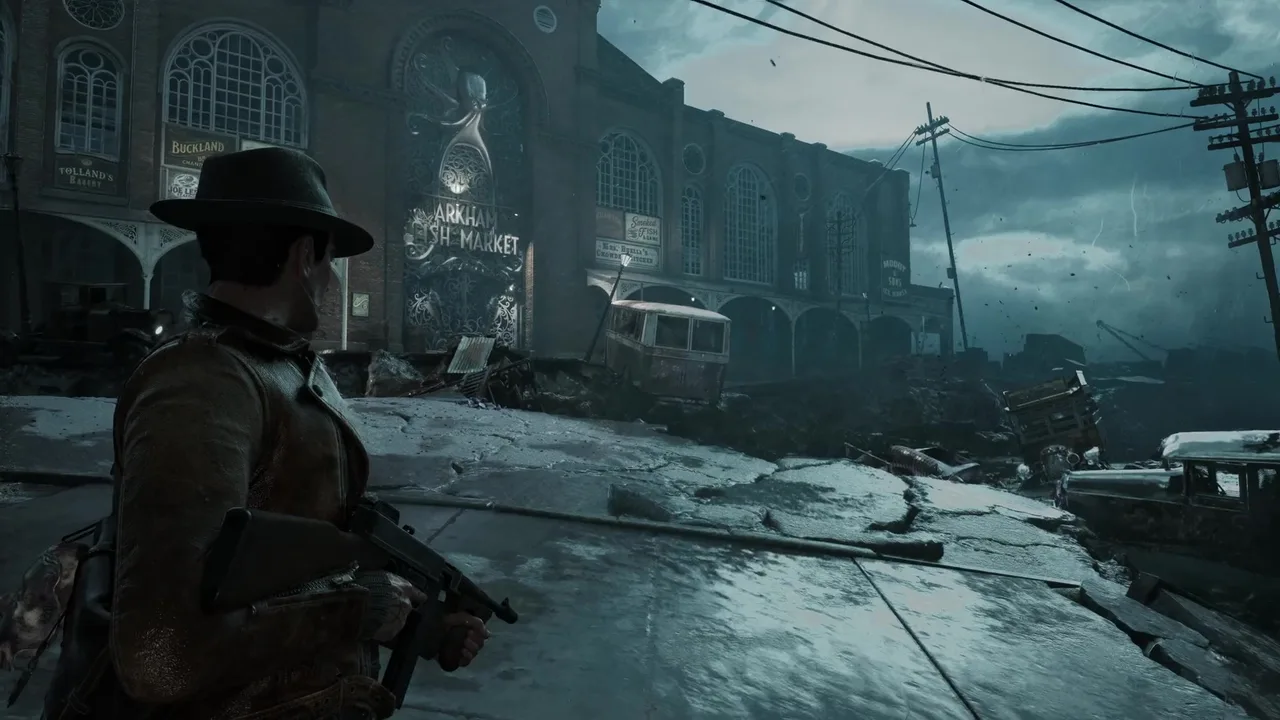
Arkham doesn't care about your plan. Build one anyway.
You start The Sinking City 2 as a detective in a coat with a gun and a bad situation. By the end — if you make it — you’ll be a detective in a coat with a gun, a bad situation, and a collection of upgrades that reflect every decision you made about what kind of survivor to be.
The progression system is where TSC2 lets you shape your playthrough around your instincts.
How It Works
Frogwares has confirmed that TSC2 features build customization and character progression, though they’ve kept the specifics close. Based on developer interviews and the broader design philosophy, here’s what we can reasonably piece together.
Progression likely operates through some combination of upgrade points or resources earned by playing — exploring districts, completing investigation cases, surviving combat, and finding specific items or locations. These feed into a system that lets you improve your character’s capabilities along different axes.
The “build” element suggests branching. Rather than a flat power curve where you simply get better at everything, you make choices about where to invest. Possible specialization tracks (speculative, based on the game’s mechanical pillars) might include:
- Combat proficiency: steadier aim, faster reloads, more effective weak-point damage, expanded weapon handling.
- Survival efficiency: larger inventory capacity, better crafting yields, improved scavenging returns, slower resource consumption.
- Investigation acuity: easier clue detection, additional deduction options on the case board, expanded perception of environmental details.
- Mental fortitude: higher sanity threshold, slower pressure buildup, better performance under psychological stress.
- Physical resilience: more health, faster movement, better stamina for sprinting and melee.
None of these categories are confirmed in their specifics — Frogwares hasn’t published a skill tree. But the game’s emphasis on multiple viable playstyles and its mechanical diversity strongly suggest that progression offers meaningful choices rather than linear stat boosts.
What’s more interesting is the reported connection between investigation and progression. Solving cases on the investigation board doesn’t just unlock alternate routes — it reportedly grants upgrade materials or opens upgrade paths that aren’t available through combat and exploration alone. This means the optional detective work feeds your character’s growth. You’re rewarded for curiosity, not just efficiency.
Why It Matters
Build customization in a survival horror game is a different beast than in an RPG or action game. In those genres, progression is about increasing power — getting strong enough to face harder content. In TSC2, progression seems to be about increasing your options while keeping the pressure consistent.
That’s an important distinction. Frogwares has positioned this as a game where you’re never truly comfortable. Upgrades don’t turn you into an unstoppable force; they shift how you interact with the game’s constant scarcity and danger. A combat-focused build might let you fight more efficiently, but it won’t eliminate the ammo shortage. A survival-focused build might stretch your resources further, but you still need to deal with the things in the water.
This creates replayability through playstyle rather than difficulty settings. A first playthrough as a careful investigator who avoids combat and solves every case will feel mechanically different from a second run as a combat-forward survivor who ignores the board and shoots through problems. Same game, different experience — and the progression system is what makes those different approaches viable.
The connection to investigation also reinforces the game’s core design philosophy. Investigation is optional, but it’s not vestigial — it feeds into a tangible power pipeline. Skipping it is a valid choice, but it’s a choice with a cost. You’re trading potential upgrades for speed or simplicity. That’s the kind of meaningful decision that good systems design produces.
Tips for Building Your Detective
Pick a direction early and commit. Spreading upgrades thinly across every category will leave you mediocre at everything. Survival horror rewards specialization — a character who’s excellent at one thing and adequate at others will generally outperform one who’s merely okay across the board.
Let the investigation system feed your build. If you’re investing in any progression path, do some detective work. The case board reportedly unlocks upgrade resources you can’t get elsewhere. Even a combat-focused build benefits from the extra materials.
Match your build to your weaknesses. If you struggle with aiming under pressure, invest in combat stability or sanity resistance. If you always run out of healing items, invest in survival efficiency. The best build is the one that compensates for whatever kills you most.
Consider the late game. Early upgrades should address immediate survival needs — health, basic inventory expansion, weapon handling. Later upgrades can afford to be more specialized as you’ve mastered the core systems and know what your playthrough demands.
Don’t neglect utility upgrades. Flashier combat upgrades are tempting, but something like expanded inventory space or improved crafting yields compounds over the entire game. Small efficiency gains add up when you’re scavenging every room in Arkham.
Your build won’t save you from poor decisions. But it’ll make sure your good decisions count for more.