Crafting & Repair in The Sinking City 2
Resource Conversion System
How crafting works in The Sinking City 2 — turning scavenged materials into ammo, healing items, and tools to keep you alive in flooded Arkham's hostile streets.
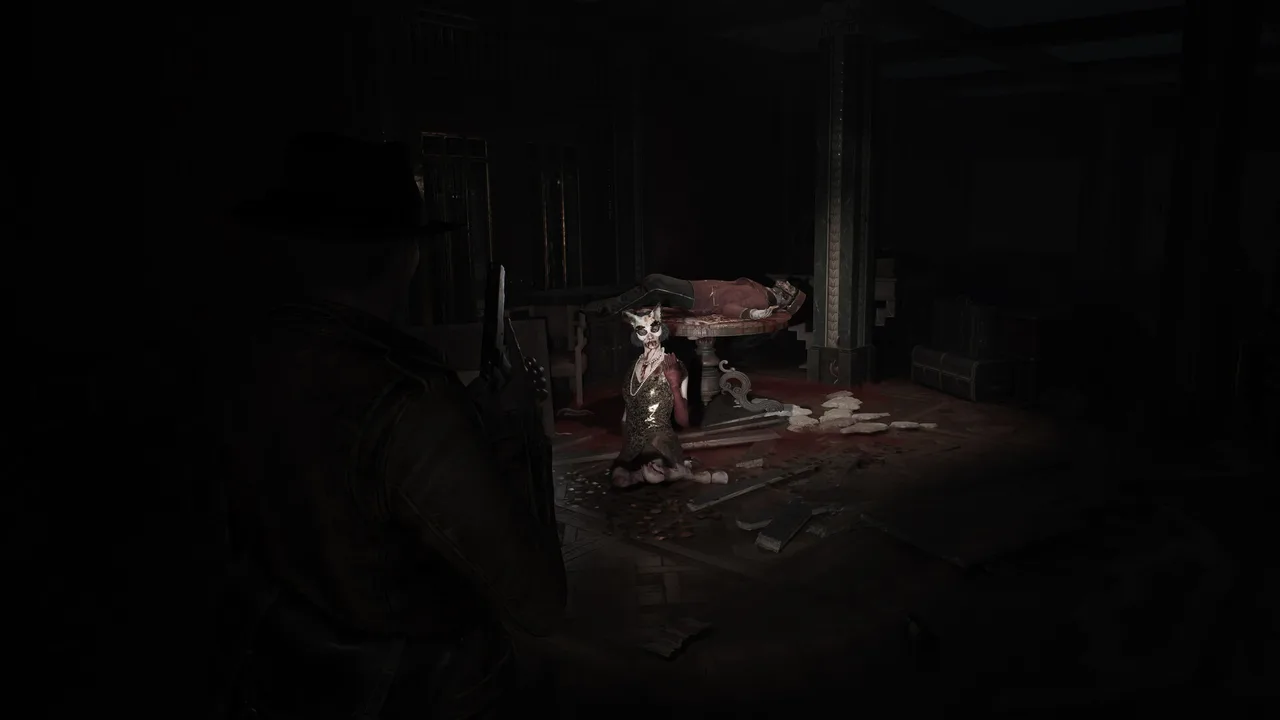
You don't buy supplies in Arkham. You build them from what the flood left behind.
You’re not going to find neatly boxed ammunition sitting on shelves in flooded Arkham. The supply chains died with the dry streets. What you will find is scrap metal, old chemical bottles, cloth, mechanical parts — the detritus of a drowned city. The crafting system in The Sinking City 2 is what turns that junk into the things keeping you alive.
This is survival horror at the workbench level. Every piece of scrap is a choice.
How It Works
Frogwares hasn’t published a detailed crafting guide (the game’s not out yet), but the survival horror design and the confirmed emphasis on resource scarcity make the shape of the system clear. You scavenge raw materials from the environment — searching drawers, prying open crates, stripping useful parts from abandoned machinery — and combine them at crafting points to produce usable items.
The crafting loop likely follows this pattern:
- Scavenge components during exploration. Raw materials take up space in your inventory grid, competing with finished items and tools.
- Find a crafting location — a workbench, a table with tools, some surface where your character can work. These may be scattered through districts or concentrated in safe-ish areas.
- Choose what to make. The same components can become different things. Scrap metal might become pistol rounds or a repair patch. Chemicals might become a healing salve or a throwable. This is where the real decision-making happens.
Expected craftable categories based on the game’s mechanical needs:
| Output | Likely Components | Role |
|---|---|---|
| Pistol ammo | Scrap metal, gunpowder/chemicals | Replenish your most-used firearm |
| Shotgun shells | Scrap metal, chemicals, cloth wadding | Fewer per craft, higher impact |
| Healing items | Cloth, chemicals, herbs | Keep you alive between safe zones |
| Repair kits | Scrap metal, mechanical parts | Maintain weapon condition |
| Throwables | Chemicals, cloth, containers | Distraction or area damage |
| Tools | Mechanical parts, scrap metal | Lockpicks, improvised equipment |
The key tension is that crafting is a zero-sum game. Components used for ammo are gone — they can’t become healing items later. Every crafting decision locks you into a specific resource allocation, and in a game where every bullet and bandage counts, making the wrong call at the bench can haunt you three encounters later.
Repair
Weapon degradation hasn’t been explicitly confirmed, but it’s a natural fit for TSC2’s survival philosophy. If weapons wear down through use, repair becomes another draw on your component supply. A revolver that jams because you skipped maintenance is worse than useless — it’s a betrayal at the worst possible moment. Keeping your weapons in working condition would be another layer in the resource management puzzle.
Repair likely requires either dedicated repair kits (crafted from components) or access to a workbench with the right tools. Either way, it means budgeting materials for maintenance alongside production — and deciding when a weapon is too degraded to trust in a fight.
Why It Matters
Crafting connects every other system in TSC2. Exploration feeds it raw materials. Investigation might reveal hidden caches of rare components or recipes. Combat consumes its outputs. The progression system likely includes upgrades that improve crafting efficiency — more output per input, faster crafting speed, or access to advanced recipes.
The system also deepens the game’s decision-making at every level. Finding a pile of scrap metal in a flooded apartment isn’t just “loot found, move on” — it’s a question. Do you need ammo right now, or is healing the priority? Do you have space to carry the raw materials to a bench, or should you craft something on the spot if the game allows field crafting? Is it worth the inventory space to haul components across a district when you might need that slot for something you find along the way?
For the broader survival horror experience, crafting reinforces the feeling that nothing is given to you freely. Every healing syringe represents scrap you didn’t turn into ammunition. Every box of shells means you chose firepower over first aid. These tradeoffs accumulate, and your crafting history becomes a record of every bet you placed on what would kill you next.
Tips for Crafting Smart
Carry components over finished items when possible. Raw materials are flexible; finished items are locked in. A stack of scrap metal has three or four potential uses. A box of pistol ammo has one. Keep your options open until you know what you actually need.
Don’t craft at the first bench you see. Scout ahead slightly before committing your materials. If the next room has a Slither ambush, you’ll want that scrap as shotgun shells. If the next room is empty, maybe healing was the better call. Context matters.
Balance offense and defense. The temptation is to craft all ammo, all the time — monsters are scary and bullets make them stop. But one bad hit without healing items ends your run faster than running low on ammo. A healthy character with three rounds is in better shape than an injured character with thirty.
Upgrade crafting efficiency early. If the progression system offers improved crafting yields — more rounds per batch, better healing potency — invest early. The returns compound over the entire game. Making 20% more ammo per craft might not matter in one encounter, but over fifty encounters it’s hundreds of extra rounds.
Factor in the flood. The dynamic flood can cut off areas where you found components before. If a district is about to shift, grab everything you can and craft what you need before the water rearranges your supply lines.
Crafting won’t make Arkham safe. Nothing will make Arkham safe. But it’s the difference between facing the dark with something in your hands and facing it with nothing.