The Dynamic Flood System in The Sinking City 2
Dynamic World-Reshaping Mechanic
How the dynamic flood reshapes Arkham in The Sinking City 2 — rising and shifting water levels that change exploration routes, enemy spawns, and district access.
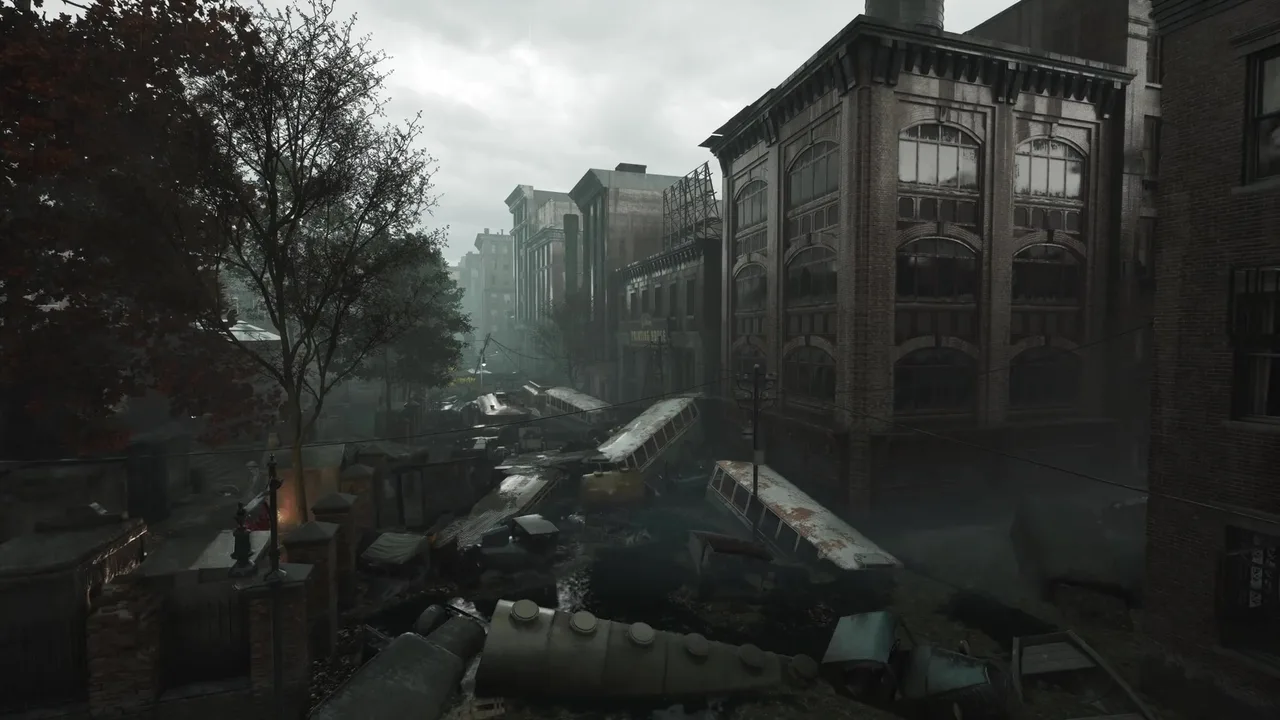
The flood doesn't follow tides. It follows something else entirely.
Arkham’s flood isn’t a static set piece. It moves. It rises, shifts, drains from one street and fills another. Buildings you explored on foot last time might be chest-deep in black water now. A waterway your boat cruised through could be drained to a muddy trench with things flopping in the muck. The Sinking City 2’s dynamic flood is the game’s way of making sure you never feel like you’ve mastered the map — because the map won’t hold still.
How It Works
Frogwares has confirmed that the flood in TSC2 dynamically reshapes locations as the game progresses. The specifics of the system haven’t been fully detailed, but here’s what we know and can reasonably infer.
Water levels change over the course of the game, tied to story progression and potentially to player actions or time spent in certain areas. These changes aren’t cosmetic — they fundamentally alter the geography of each district. A ground-floor room that was dry becomes a submerged space you’d need to swim or wade through. A second-story window that was your dock point might now sit above an exposed street you can walk.
The effects cascade through every system:
Navigation. Boat routes open and close. Docking points appear and disappear. Streets that were underwater might drain enough to traverse on foot, while streets you walked become waterways. Your mental map of Arkham needs constant updating, because the Arkham you mapped two hours ago isn’t quite the same city anymore.
Exploration. Rising water can seal off rooms, hallways, and entire building floors. It can also reveal new spaces — a basement hidden beneath the waterline might drain, or a collapsed wall might create a new opening as structural integrity shifts with the water. Resource caches you were planning to revisit might be underwater. New ones might appear in freshly exposed areas.
Enemy distribution. Deep Ones follow the water. If a district floods deeper, expect more aquatic threats. If it drains, land-based enemies like Slithers might move in where the Deep Ones retreated. The ecological balance of horrors in any given area is tied to the water level, which means your combat preparation needs to account for what the flood has done lately.
Atmosphere. A dry district feels different from a flooded one. Sound travels differently over water. Sightlines change when streets become canals. The mood of a location shifts with the water — flooded areas are more claustrophobic, more acoustically strange, while drained areas have the eerie quality of exposed seabeds, all mud and debris and things that should still be underwater.
Why It Matters
The dynamic flood solves one of survival horror’s oldest problems: the backtrack. In most games in the genre, revisiting a cleared area is tedious — you know the layout, you’ve killed the enemies, there’s nothing new to find. TSC2’s flood makes backtracking genuinely uncertain. You’re returning to a place you know, but it’s changed, and that change might mean new routes, new dangers, or new opportunities.
This also reinforces the game’s resource economy. If the flood can seal off areas where you left supplies — or where you knew supplies could be found — then every inventory decision carries extra weight. Do you grab that crafting material now, or leave it and come back later? Later might not be an option if the water rises. Scarcity isn’t just about how little the game gives you; it’s about how the game takes things away.
For investigation, the flood adds a temporal element. A clue in a building that’s now submerged might require you to find another way in — or to wait for the water to shift. Crime scenes don’t stay preserved when the tide has other plans. This could push players to investigate thoroughly on first contact rather than assuming they can always come back.
The flood also gives Frogwares a way to pace player access without invisible walls or locked doors. You can’t reach that district yet because it’s fully submerged — not because of a game-logic barrier, but because the water is physically there. As the story progresses and the flood shifts, new areas open naturally. It’s world design doing the work of level gating.
Tips for Surviving a Shifting City
Scavenge on first contact. Don’t leave resources behind thinking you’ll grab them later. The flood might put that room underwater before you return. If you have inventory space, take it now.
Note water levels when you visit a district. Pay attention to how flooded a location is when you first explore it. If you return and the water’s higher or lower, adjust your expectations — routes will have changed, and the enemy population may be different.
Prepare for both wet and dry encounters. Carry weapons and supplies for both aquatic and land-based threats. A district that was all Deep Ones last visit might be drained and crawling with Slithers. Flexibility in your combat approach matters.
Look for newly exposed areas. When the water drops in a district, check for spaces that were previously inaccessible — basements, tunnels, ground-floor rooms. These freshly revealed areas often contain supplies and clues that have been sitting underwater.
Use the flood to your advantage. Deep water slows movement for you and for land enemies. If Slithers are chasing you, leading them into waist-deep water buys you time. Conversely, avoid deep water when Deep Ones are nearby — that’s their terrain, not yours.
The flood is Arkham’s heartbeat — slow, arrhythmic, and impossible to predict. Learn to read it, and you read the city.