The Sinking City 2 Hands-On Preview Roundup: What Critics Are Saying
We round up hands-on preview impressions of The Sinking City 2 from gaming outlets — tense, atmospheric, divisive, and deeply Lovecraftian.
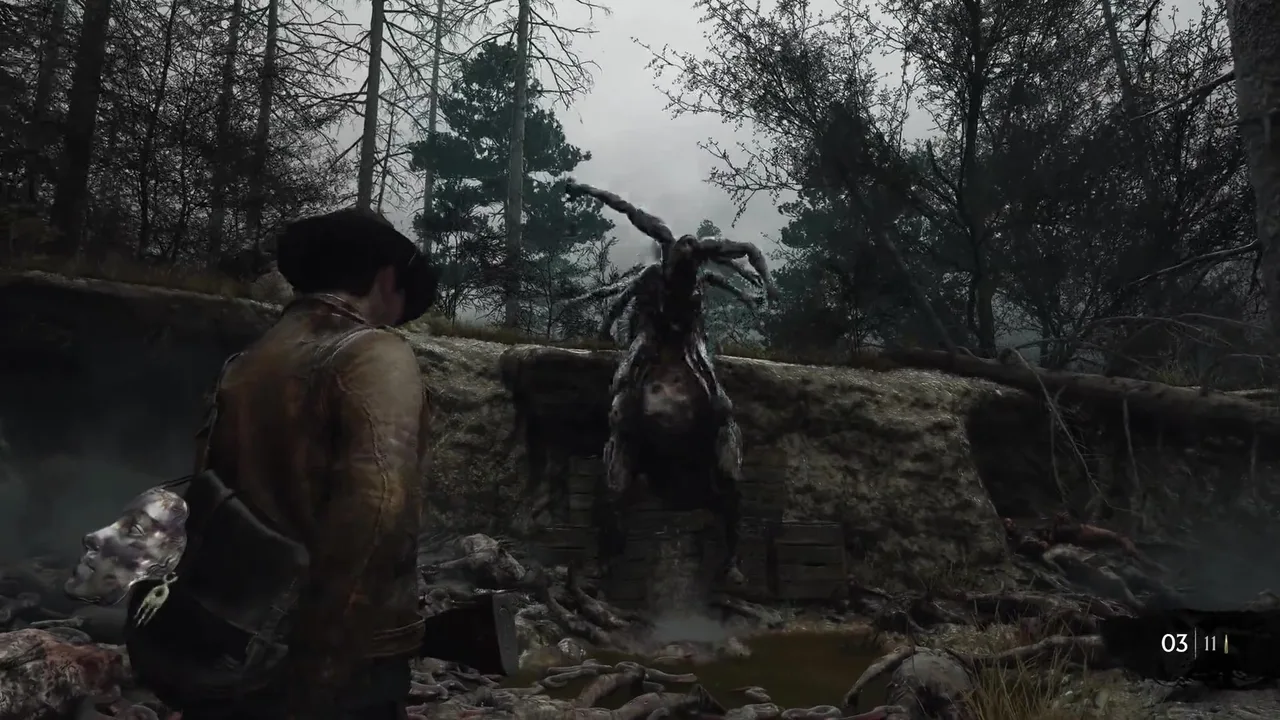
With the August 18 release date locked and the free prologue demo already on Steam, Frogwares has started letting gaming outlets get their hands on a preview build of The Sinking City 2. The impressions are coming in, and they paint a picture of a game that’s confidently doing its own thing — for better and, depending on your tastes, for complicated.
Here’s the general consensus across outlets that have published hands-on coverage, without fabricating specific quotes or scores that don’t exist yet.
The Universal Praise: Atmosphere
If there’s one thing every preview agrees on, it’s that The Sinking City 2 nails atmosphere. Outlet after outlet has described the flooded 1920s Arkham as one of the most immersive horror settings they’ve played in recent memory. The combination of Unreal Engine 5’s lighting, the dynamic water system, the environmental art, and the sound design creates something that reviewers keep struggling to articulate — it’s not just scary, it’s oppressive.
The water comes up constantly in previews. Not just as a visual feature but as a feeling. Previews describe the way the water moves between buildings, how it catches light and reflects things that maybe shouldn’t be there, how navigating it in a slow rowboat turns transit into sustained tension. Several outlets compared the boat sections to the atmospheric dread of traversal in games like Amnesia or SOMA — not because the mechanics are similar, but because the travel itself becomes a source of anxiety rather than downtime.
The sound design gets particular attention. Previews describe ambient audio that works on a subconscious level: water lapping against stone, something heavy shifting underwater, the distant groan of a building that’s losing its structural argument with the flood. One common observation is that the game is often at its most frightening when nothing is happening — when you’re moving through a quiet space and every sound could be environmental or could be a warning.
Arkham’s visual density also earns praise. The 1920s setting isn’t just a coat of paint — previews note Art Deco architectural details, period-appropriate signage, Prohibition-era cultural touches like speakeasy doors and bootlegger equipment. The city feels researched, not just themed. And the flood damage layered on top of that period accuracy creates a compelling visual dissonance: beautiful architecture being consumed by something primordial.
The Resource Scarcity: Tense and Divisive
The second most discussed element in previews is the resource economy. Ammunition is scarce. Healing is scarce. The game reportedly gives you just enough to survive if you’re careful and nowhere near enough if you’re not.
Most previews frame this positively. The scarcity makes every combat encounter feel consequential. You don’t mow down enemies — you weigh whether each fight is worth the bullets, consider whether running is smarter, look for environmental solutions. The Slither that takes three shots to drop becomes a real decision: is killing it worth three rounds you might need in ten minutes?
But some outlets flag this as potentially frustrating for less experienced survival horror players. The difficulty curve in the preview build appears steep, and the game doesn’t hold your hand through it. If you play like an action game — engaging every enemy, spending ammo freely — you’ll hit a wall. Previews suggest the game expects you to internalize survival horror thinking quickly, and players coming from the first game’s more relaxed detective format might need an adjustment period.
The investigation system factors into this economy in interesting ways. Several previews note that engaging with optional investigation elements — examining clues, solving environmental puzzles, finding alternate routes — can yield additional resources. So the investigation system isn’t just a narrative bonus; it’s a survival tool. Players who explore and investigate get rewarded with supplies, giving them a meaningful advantage over players who push straight through.
Combat: Crunchy But Not the Star
Combat impressions are generally positive but restrained. Previews describe firearms that feel weighty, a flashlight mechanic that adds tactical depth (light can stagger certain enemies, creating shot windows), and enemy design that demands you learn patterns rather than spray bullets.
The Deep Ones get specific attention as enemies that behave differently in water versus on land, forcing you to adapt your approach based on the environment. On flooded ground, they’re faster and harder to spot. On dry surfaces, they’re slower but more aggressive. This environmental dimension to enemy behavior is something previews single out as genuinely smart design.
Melee combat gets less attention in previews, suggesting it’s either less developed in the build outlets played or deliberately positioned as a desperate last resort rather than a primary option. A couple of previews mention melee as “functional but not where the game shines,” which tracks with the survival horror philosophy of making the player feel underpowered.
The broader impression is that combat serves the atmosphere rather than existing as its own draw. You fight because you have to, not because the game wants you to. Encounters are encounters, not arenas. This is a deliberate choice, and previews generally respect it even when noting that pure action-game fans might find it unsatisfying.
The Genre Shift: Where Opinions Diverge
Here’s where the preview consensus fractures, and it fractures along predictable lines.
Outlets and critics who are survival horror fans — who loved the Resident Evil remakes, who played Signalis, who consider Silent Hill 2 a masterwork — tend to be enthusiastic about The Sinking City 2’s direction. For them, the genre pivot from detective adventure to survival horror is exactly right. Frogwares’ strengths (atmosphere, world-building, Lovecraftian dread) align naturally with survival horror, and the tighter structure eliminates the original game’s biggest weakness (an empty open world).
Critics who loved the first Sinking City specifically for its detective mechanics are more ambivalent. The investigation system still exists, but it’s optional, and in the preview build it reportedly feels like a side attraction rather than a core pillar. These previews tend to use phrases like “what we lost versus what we gained” and express hope that the full game makes investigation feel more substantial than the preview suggests.
There’s also a small but notable contingent of previews that question whether Frogwares can sustain the atmospheric intensity over a full game. The prologue demo is roughly an hour, and preview builds reportedly cover a few hours of content. That’s enough to impress, but survival horror games live or die by their pacing over eight, twelve, fifteen hours. Can The Sinking City 2 maintain this level of dread without becoming repetitive or exhausting? No preview can answer that definitively; only the full game will.
The Boat: Love It or Learn to Love It
The boat is its own topic in previews because it’s that significant to the experience. You spend a meaningful amount of time in a rowboat navigating flooded streets, and how you feel about that determines a lot about how you’ll feel about the game.
Positive impressions call the boat sections meditative and terrifying in equal measure. The slow pace forces you to absorb the environment, to notice details, to listen. The water isn’t empty — things move under the surface, debris shifts, and the dynamic flood system means water levels can change, altering your routes.
Less enthusiastic previews describe the boat controls as slightly fiddly in tight spaces and the pace as occasionally too slow. There’s a difference between “atmospheric slowness” and “I wish this would move a bit faster,” and some previews land on the latter side. Navigation between districts — docking, exploring on foot, returning to the boat — forms the core gameplay loop, so the boat experience isn’t something you can opt out of.
The general sense is that the boat works better as an atmospheric tool than as a pure traversal mechanic. When the game uses the boat for tension — moving through narrow passages, hearing something underneath you, rounding a corner to find something waiting — it’s extraordinary. When you’re just getting from point A to point B for the third time, the slow pace can test your patience.
Technical State: Promising But Unfinished
Previews were generally played on PC, and the technical impressions are cautiously positive. The UE5 visuals are impressive — volumetric fog, dynamic water reflections, detailed interiors — but not without issues. Frame rate inconsistencies during complex scenes (heavy fog plus water plus multiple light sources) are noted. Some previews report texture pop-in during boat transitions between areas, and loading hitches when entering new zones.
None of this is unusual for a preview build running months before release. Optimization passes are standard late-development work, and Frogwares presumably has time to address performance before August. But it’s worth noting for players whose purchase decisions hinge on technical polish at launch.
Console performance wasn’t available for most preview outlets, so PS5 and Xbox Series X|S players are still largely in the dark about how the game runs on their platforms. Given UE5’s general track record on console, expect a quality/performance mode split.
The Verdict (That Isn’t a Verdict)
The game isn’t out. There are no review scores. What exists is a collection of impressions from people who played a few hours of a pre-release build, and those impressions tell a consistent story: The Sinking City 2 is atmospheric, tense, resource-scarce, and uncompromising in its survival horror identity. It’s also potentially divisive for fans of the original game, technically unfinished in expected ways, and paced in a manner that will either hypnotize you or occasionally test your patience.
That’s a healthy preview profile for a game like this. Unanimous praise for a survival horror game would be suspicious — the genre is inherently niche, and games that try to please everyone usually please nobody. The fact that the most common criticism is “I wish it were more like the first game” rather than “this game has fundamental problems” is actually encouraging. Frogwares made a deliberate choice, and critics are responding to that choice rather than to execution failures.
The August 18 release will provide the real answer. Until then, the prologue demo is free on Steam, and it provides a representative slice of what these previews are describing. Try it yourself. Form your own impression. The water is waiting.