The Sinking City 2 Prologue Demo Is Free on Steam Right Now
A free one-hour prologue demo for The Sinking City 2 is live on Steam. Here's what it covers, how to get it, and our first impressions.
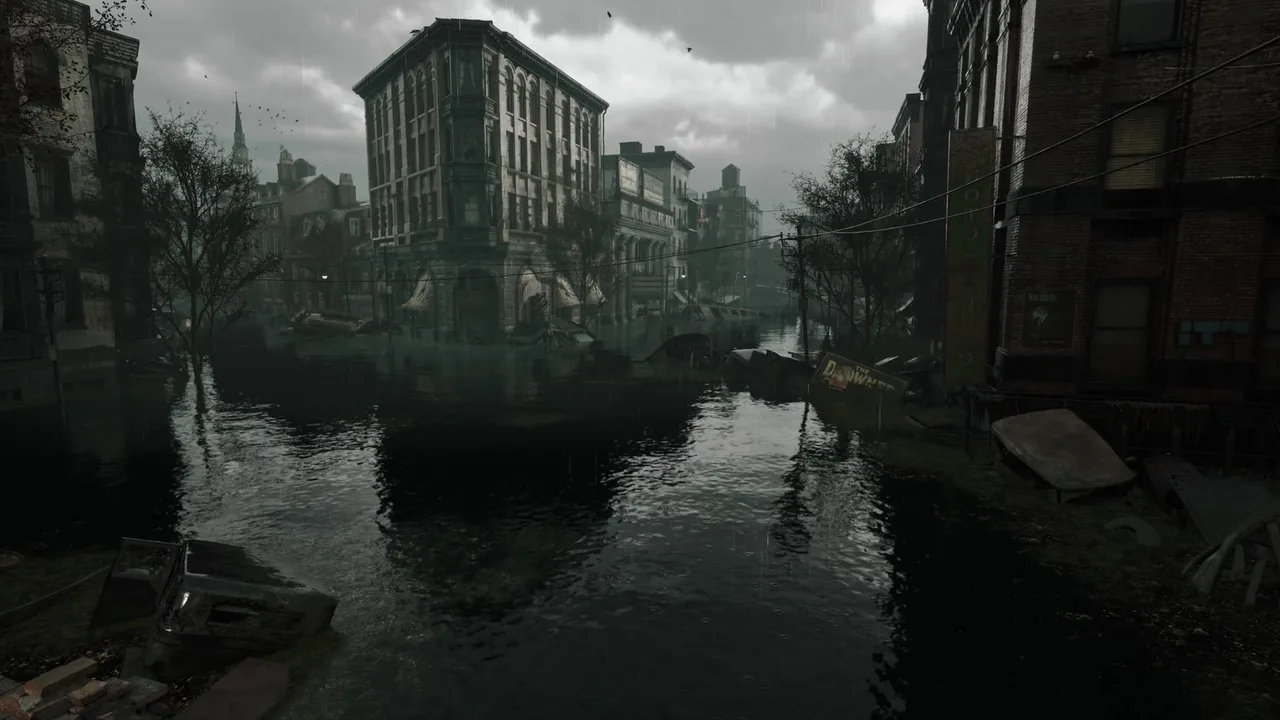
Frogwares has put a free, standalone prologue demo for The Sinking City 2 on Steam, and it’s roughly an hour of the most unsettling boat ride you’ll take this year. If you’ve been on the fence about the genre shift to survival horror or just want to know what drowned Arkham actually feels like to play, this is your no-risk way in.
How to Get the Demo
Head to the Steam store page and look for the prologue demo listing. It’s a separate download from the main game — you don’t need to wishlist or pre-order anything. Just download, install, and play.
System requirements for the demo haven’t been broken out separately from the main game’s specs, but expect standard UE5 demands. If your rig handles recent Unreal Engine 5 titles without issues, you should be fine. A dedicated GPU from the last few years, 16GB of RAM, and an SSD are likely the baseline — Frogwares hasn’t published minimum specs for the demo specifically, so treat the main game’s eventual requirements as your guide.
The demo appears to be available indefinitely, not a limited-time event, though Frogwares hasn’t explicitly confirmed it’ll stay up through launch. Best to grab it sooner rather than later if you’re interested.
What the Prologue Covers
The demo doesn’t just drop you into a random level. It’s structured as a proper prologue — a self-contained opening chapter that feeds into the full game’s narrative. Without spoiling the specifics, here’s what you’ll experience:
The setup. You arrive in Arkham by water. The city is already flooded, already wrong. Buildings lean at angles that architecture shouldn’t allow. The sky has a color that doesn’t belong to any weather system you’ve seen. Before you even dock, the demo establishes that this Arkham isn’t just waterlogged — it’s been fundamentally altered by something.
Boat navigation. A significant chunk of the demo is spent in a small rowboat, threading between half-submerged buildings and debris. This is where you get your first real taste of how boat traversal works in the full game. It’s not a speedboat power fantasy — it’s slow, deliberate, and the water around you feels alive in ways that are deeply uncomfortable. The boat sections establish that travel itself is part of the horror, not just a loading screen between combat arenas.
Your first combat encounter. The demo introduces at least one enemy type in a controlled setting. Without naming everything you’ll face (play it yourself), the combat feels deliberately constrained. Ammunition is limited. Your flashlight is your best friend for spotting threats, but it also means you’re visible. The game teaches you through scarcity — you run out of the easy answers fast and have to adapt.
Investigation teases. There are a couple of moments where the investigation system shows itself. A clue on a table. A door that could be forced or unlocked through a different route. The demo makes clear that investigation is woven into exploration as an optional layer — you can push past these moments or stop and engage with them. Neither approach locks you out of progress, which is a meaningful design choice.
Atmosphere, atmosphere, atmosphere. Honestly, the primary thing the demo sells is mood. The sound design alone — the lapping of water against stone, the distant sounds that could be wind or could be something breathing, the creak of structures that are slowly losing their argument with gravity — is extraordinary. Playing with headphones in a dark room is the move, and I say that as someone who had to pause and collect themselves twice in an hour.
First Impressions: What Works
The water. It sounds like a small thing, but the water in this game is a character. It’s not just a flood effect painted across the streets — it behaves. It rises and falls in ways that feel organic. It reflects the wrong things sometimes, or reflects nothing when it should. Frogwares built their water system to be unsettling, and in the demo, it succeeds completely. You start watching the surface for movement, and that paranoia is exactly what they want.
Resource tension. Even in a one-hour slice, the scarcity is real. You find a handful of bullets, a healing item or two, and that’s roughly what you have to work with. The demo doesn’t drown you in supplies to make you feel powerful — it makes you feel underprepared, which is the right call for survival horror. If you played the original Sinking City and remember having comfortable stockpiles, that’s gone.
Pacing. The demo doesn’t rush. There are long stretches where nothing attacks you but everything feels threatening. Then the tension breaks suddenly and violently. The rhythm feels deliberate — it reminded me more of early Resident Evil or Silent Hill than of modern action-horror hybrids that keep the adrenaline constant. There’s quiet, and the quiet is worse than the noise.
Visual density. Arkham’s flooded streets are packed with environmental storytelling. Abandoned belongings floating past. Water marks on walls that tell you how fast the flood rose. Fish market stalls with their wares still laid out, now underwater. The art team at Frogwares clearly put enormous effort into making every corner of the demo feel lived-in and then abandoned.
First Impressions: Questions and Concerns
Performance. The demo had some frame rate inconsistencies on my mid-range PC setup, particularly during boat sections with lots of water reflections and volumetric fog happening simultaneously. This is a pre-release build, so optimization is likely still in progress, but it’s worth noting. Console performance wasn’t available to test.
Controls during boat sequences. Navigating tight spaces in the boat felt occasionally fiddly, with the camera fighting against narrow corridors between buildings. It’s manageable, but there’s a difference between “intentionally slow and unwieldy for atmosphere” and “the controls are slightly fighting me.” The demo lands somewhere between the two, and the full game would benefit from the former being clearly distinct from the latter.
Difficulty calibration. The combat encounter in the demo is tough — arguably quite tough for a prologue. If this is representative of early-game difficulty, players less familiar with survival horror conventions might bounce hard. Frogwares might want to consider how steep the initial learning curve is, especially since the genre shift from detective adventure means some returning players won’t have the muscle memory for this kind of game.
Brevity of investigation elements. The investigation touches in the demo are light. That’s understandable for a one-hour prologue, but players who loved the first game’s detective mechanics will want to see more before they’re convinced the optional investigation system is substantial enough to matter.
What the Demo Tells Us About the Full Game
The prologue is clearly designed as a tone-setter, not a feature showcase. It answers the question “what does this game feel like?” much more than “what does this game contain?” And what it feels like is dread. Patient, wet, architectural dread.
Based on the demo, the full game appears to be structured around boat travel between distinct flooded districts, with on-foot exploration and combat happening once you dock. The Deep Ones and other creatures are out there in the water and in the buildings, and your job is to survive encounters rather than seek them out.
The demo also suggests the narrative is personal rather than procedural. You’re not taking cases from clients like in the original — you’re looking for someone you love in a city that wants to keep them. That emotional hook, combined with the survival horror framing, gives the story a different kind of urgency.
Should You Play It?
Absolutely, yes. It’s free, it’s an hour, and it’ll tell you more about whether The Sinking City 2 is for you than any trailer or preview article could. If the confirmed August 18 release date has you curious, the demo is the fastest way to convert curiosity into conviction — or to realize this particular flavor of horror isn’t your thing, which is also valuable information.
Download it. Play it with headphones. Turn the lights off. And try not to watch the water too closely.