Why Frogwares Ditched Open-World Detective for Survival Horror
The Sinking City 2 drops the open-world detective formula for focused survival horror. Here's why Frogwares made the switch and what changes.
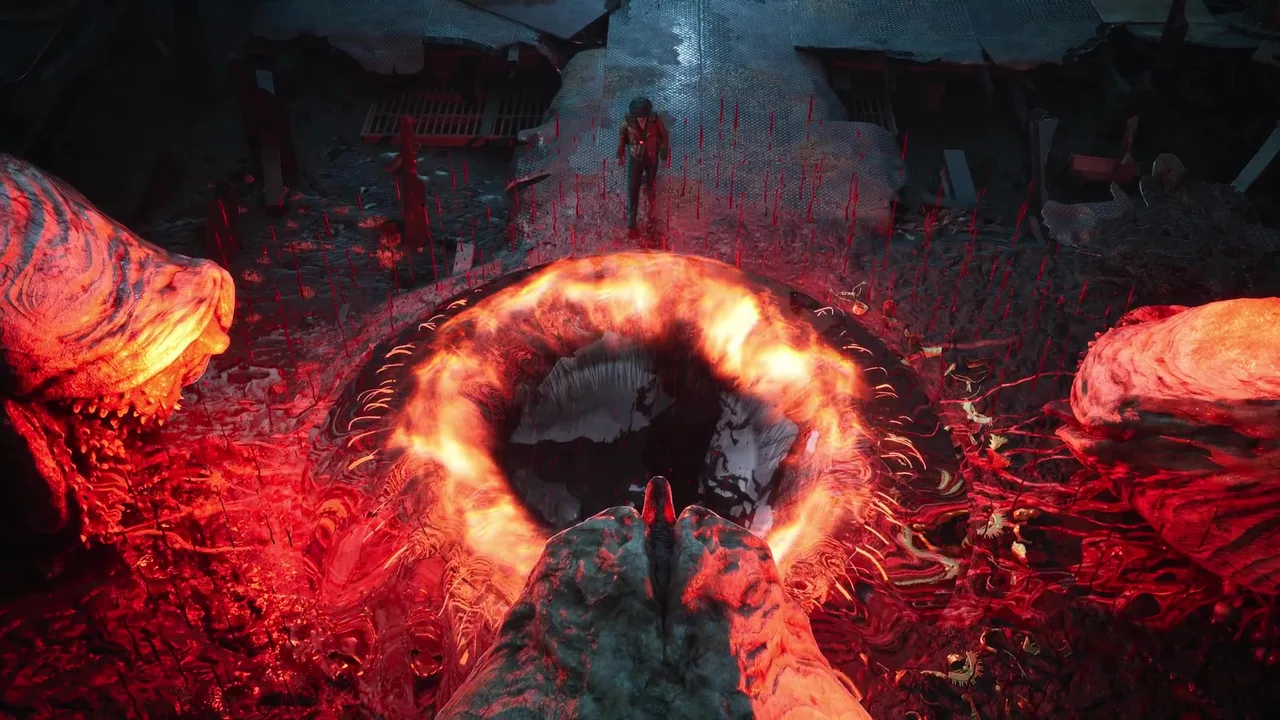
If you played the original Sinking City, here’s the thing you need to know about the sequel: forget the open-world rhythm. Forget the case board. Forget cruising around a massive map collecting clues at your own pace. The Sinking City 2 is a survival horror game, and that’s not a marketing rebrand — it’s a fundamental rethinking of what this series is.
Frogwares didn’t make this change quietly. They’ve been upfront about the genre pivot in interviews, community updates, and through the free prologue demo that’s currently on Steam. But the shift is dramatic enough that it deserves a deeper look: why did they do it, what actually changes, and is it the right call?
The Original’s Identity Problem
The first Sinking City was ambitious in a way that sometimes worked against it. An open-world Lovecraftian detective game set in a flooded city — on paper, that’s a killer pitch. In practice, the open world often felt empty. You’d boat across large stretches of water to reach a crime scene, investigate it, boat back, investigate another lead, boat across again. The detective work was genuinely interesting, but the open-world structure padded the experience with transit time and repetitive encounters that diluted the atmosphere.
The horror suffered for it. It’s hard to feel dread in a place you’ve traversed fifty times. Familiarity breeds contempt, or at least breeds indifference, and an open-world game by definition asks you to revisit the same spaces constantly. The Lovecraftian menace of the setting got worn down by the repetition.
Frogwares clearly took that feedback seriously. In their communications about the sequel, they’ve talked about wanting every moment to matter — every room you enter, every stretch of water you cross, every encounter with a creature. That density of experience is much harder to achieve in an open world than in a more focused, semi-linear structure.
What “Survival Horror” Actually Means Here
When Frogwares says “survival horror,” they’re not using it loosely. Based on everything we’ve seen — trailers, demo, developer commentary — this is a game built around resource scarcity, vulnerability, and dread. Here’s what that translates to in practice:
Limited resources. Ammunition is genuinely scarce. Healing items are rare. You can’t stockpile your way to safety. Every bullet spent is a decision, and the game wants you to feel the weight of that decision. If you’ve played classic Resident Evil or the Dead Space remake, you know this philosophy: the inventory isn’t just a UI element, it’s a source of anxiety.
Dangerous enemies. The creatures of drowned Arkham — Deep Ones, the Slither, reality-warping shadows — aren’t nuisances to mow down. They’re threats. Combat exists, and it’s crunchy (firearms, melee, enemy weak points), but the game doesn’t want you to feel like an action hero. You’re a person with a gun and not enough bullets in a city full of things that don’t die easily.
Atmosphere over spectacle. The flooded 1920s Arkham is built for tension, not tourism. The dynamic flood system means water levels shift, reshaping environments you thought you knew. The sound design is oppressive — every creak, splash, and distant moan contributes to a feeling that you’re somewhere you shouldn’t be. Playing the prologue demo with headphones makes this viscerally clear.
Semi-open, not open world. You still travel by boat between districts of Arkham, but the structure is focused. Think more along the lines of a hub-and-spoke model rather than a seamless open world. You dock, explore a contained area on foot, encounter threats and solve problems, and then move on. This keeps each area dense with content rather than stretching encounters across a vast, sparse map.
The Investigation System Lives — But It’s Optional
Here’s where the pivot gets nuanced, and where longtime fans of the first game should pay attention. The investigation mechanics aren’t gone. They’ve been restructured.
In the original Sinking City, investigation was the core gameplay loop. You gathered clues, cross-referenced evidence, interrogated suspects, and built cases. It was the spine of the experience, and everything else — combat, exploration, the open world — existed to support it.
In The Sinking City 2, the investigation system is optional. It still exists: you can find clues, examine scenes, solve puzzles, and uncover lore. But none of it hard-gates your progress. If you want to push straight through the horror — fight, run, survive, rescue your loved one — you can do that. Investigation unlocks alternate routes, bonus upgrades, and deeper story context, but it’s a reward for curiosity rather than a requirement for progress.
This is a significant design choice. It essentially lets two kinds of players have two different experiences with the same game. If you loved the detective work, you can still engage with it. If you just want survival horror, you get survival horror. The risk is that making investigation optional might make it feel undercooked — a side attraction rather than a pillar. The prologue demo hints at investigation without fully showcasing it, so the jury is still out on how substantial it feels in the full game.
Why the Change? Three Plausible Reasons
Frogwares hasn’t published a single definitive “here’s why we did this” document, but piecing together interviews and community updates, the reasoning appears to come from multiple directions:
1. The horror market evolved. Since the first Sinking City released in 2019, the survival horror genre has had a renaissance. The Resident Evil remakes. Dead Space. Alan Wake 2. Signalis. Players have developed a serious appetite for this kind of game, and the market has proven that focused, atmospheric horror sells. Frogwares making this move isn’t just an artistic decision — it’s a commercially viable one.
2. The studio’s constraints shaped the design. Frogwares is a Ukrainian studio that has been developing this game through wartime conditions. Building a massive open world requires enormous resources — world-building, QA, content fill, performance optimization across a huge map. A more focused structure is more achievable with a team working under difficult circumstances. This isn’t speculation; Frogwares was candid during their Kickstarter campaign about how the war affected their development capacity. The scope change, at least in part, is likely a practical adaptation.
3. The first game’s feedback was clear. Critical reception of the original Sinking City was mixed, and a recurring complaint was that the open world didn’t earn its size. The detective work was praised; the world around it was called repetitive and underpopulated. Rather than trying to fix an open world on a tighter budget, Frogwares appears to have asked: “What if the world were smaller but every part of it mattered?”
What’s Gained and What’s Lost
Let’s be honest about both sides.
What’s gained: Density. Tension. Every room, every corridor, every stretch of flooded street can be designed with purpose rather than generated to fill space. The combat system can be tuned for encounters that matter rather than random spawns that become routine. The atmosphere — which was always the first game’s strongest asset — can be sustained instead of diluted by repetition.
The narrative benefits too. A focused survival horror story about rescuing a loved one is inherently more urgent than a series of detective cases. The emotional stakes are personal and constant, not episodic.
What’s lost: Freedom. The first game let you wander. It let you take cases in different orders, explore at your own pace, get lost in a strange city. There’s a particular pleasure in open-world games where you ignore the main quest and just exist in a space, and The Sinking City 2 apparently doesn’t offer that in the same way.
The detective identity is diminished too. Even with investigation being optional, the series’ most distinctive feature — you’re a detective solving supernatural cases — has been demoted from the core experience to a bonus layer. For players who loved that hook specifically, this will sting.
Is It the Right Call?
That depends entirely on what you want from the game. If you wanted “the first Sinking City but bigger and better,” this isn’t that. If you wanted a Lovecraftian survival horror game from a studio that already proved it can do atmosphere and cosmic dread, this is exactly that.
From a design perspective, the shift feels well-reasoned. The first game’s open world was its weakest element, and doubling down on it would have been risky. The survival horror genre is in a golden age and Frogwares’ strengths — world-building, Lovecraftian atmosphere, environmental storytelling — align naturally with it.
The August 18 release date is approaching, and with it the chance to see whether this gamble pays off. The prologue demo already suggests a game that knows exactly what it wants to be. Whether that’s what enough players want it to be is the remaining question, and it’s a fair one.
For now, if you’re a fan of the original, try the demo with fresh eyes. Don’t look for the game you played before. Look for the game Frogwares is actually making. You might be surprised by how well Arkham works when it’s trying to kill you instead of letting you investigate it.