The Sinking City 2 Kickstarter Recap: Why Frogwares Crowdfunded a Sequel
Frogwares' March 2025 Kickstarter for The Sinking City 2 succeeded despite wartime challenges. Here's what happened and what backers got.
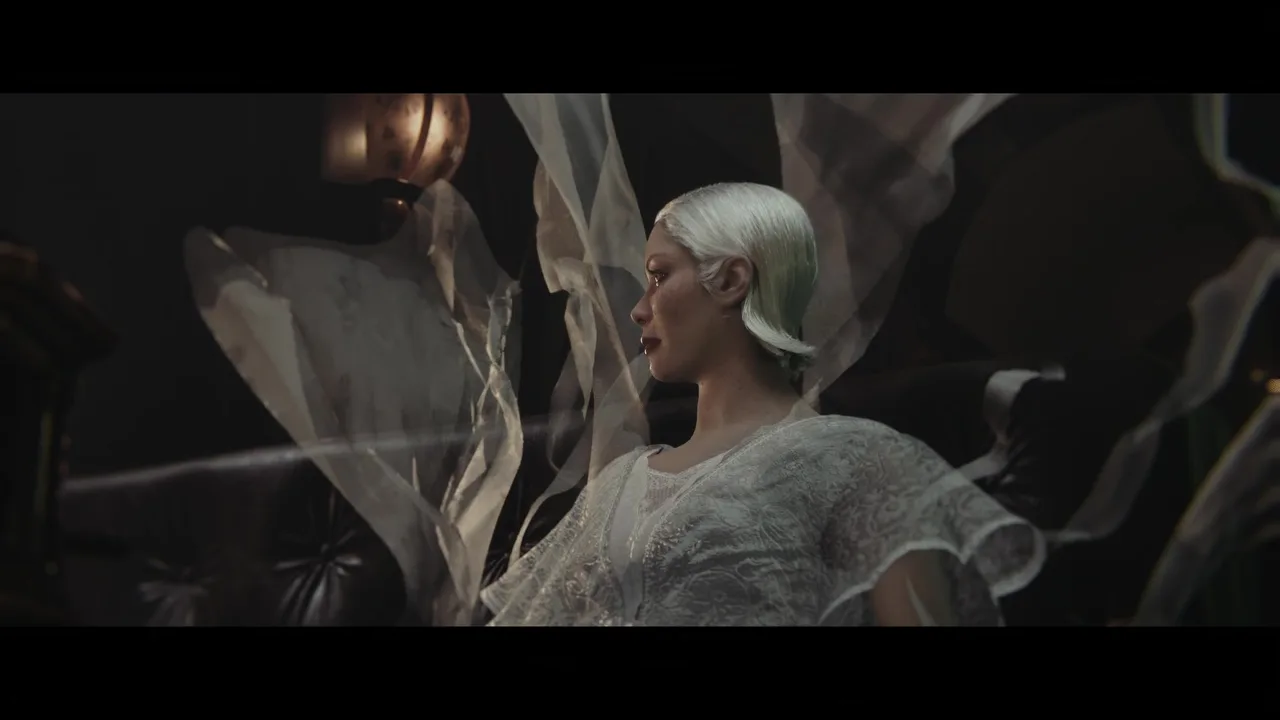
In March 2025, Frogwares launched a Kickstarter campaign for The Sinking City 2 — and for a lot of people, the immediate question was: why? This is a studio with published titles, platform deals, and a Steam page already live. Why go to Kickstarter?
The answer, like most things with Frogwares over the past few years, is complicated and involves a war.
The Context: Developing a Game During an Invasion
Frogwares is a Ukrainian studio. They were based in Kyiv when Russia launched its full-scale invasion in February 2022. Some of the team sheltered in place. Others evacuated to other parts of Ukraine or abroad. Development on The Sinking City 2 — which was already in early stages — continued through air raid sirens, power grid attacks, and the kind of logistical chaos that makes “work from home” sound laughably inadequate.
This isn’t background flavor. It’s the primary context for why the Kickstarter existed. Infrastructure disruptions — multi-hour power outages, internet blackouts, staff relocations — don’t just slow development down. They make traditional development pipelines unreliable. Milestone-based publisher funding, which typically requires hitting specific targets on schedule, becomes enormously difficult when your team can’t predict whether they’ll have electricity tomorrow.
Frogwares was transparent about this during the campaign. They didn’t frame the Kickstarter as a “we ran out of money” situation. They framed it as “we need flexibility that traditional funding can’t give us right now.” Crowdfunding provides upfront capital without the milestone pressure, which is exactly what a studio in a conflict zone needs: money that doesn’t come with a schedule they can’t guarantee.
The Campaign Itself
The Kickstarter launched in March 2025 with a funding goal and a pitch that leaned heavily on two things: the studio’s track record (Sherlock Holmes games, the first Sinking City) and the emotional reality of their situation. The campaign page included frank discussion of the war’s impact on development, photos of team members who’d been displaced, and an honest accounting of what the money would be used for.
It worked. The campaign funded successfully, though exact final numbers varied — the point is that the community showed up. Backers weren’t just buying a game; they were making a statement about supporting a studio in extraordinary circumstances.
The backer tiers offered the expected range of rewards:
- Base tier: a digital copy of the game at a discounted price.
- Mid tiers: the game plus digital bonuses — soundtrack, artbook, behind-the-scenes content about the development process (including wartime development, which makes for genuinely interesting reading).
- Upper tiers: physical items — collector’s editions, prints, and the usual premium crowdfunding additions. Some tiers reportedly included creative input opportunities, like naming an in-game location or NPC.
- Top tiers: studio visit opportunities and other high-value exclusives aimed at the most committed fans.
The campaign also served as a proof-of-demand signal. In an industry where publishers look at wishlist numbers and social media engagement to gauge interest, a successful Kickstarter is hard data. It says “this many people will pay money for this game right now, before it even exists in playable form.” For Frogwares, navigating both wartime logistics and industry business realities, that signal had value beyond the dollar amount raised.
What Backers Were Told About the Game
The Kickstarter campaign gave backers — and the wider public watching — some of the earliest concrete details about what The Sinking City 2 would be. Not all of these details have changed, but it’s worth noting what was communicated at campaign time versus what we know now:
The genre shift was already announced. Frogwares was clear during the Kickstarter that this was a survival horror game, not an open-world detective game. They described the pivot as driven by both creative ambition and practical reality — a tighter, more focused experience was better suited to their current development capacity.
The setting was established. Flooded 1920s Arkham, Massachusetts. Unreal Engine 5. Boat-based travel between districts. All of this was in the campaign materials, and it’s held consistent through to the gameplay trailer and prologue demo.
The emotional hook was defined. Rescuing a loved one. Not solving cases, not investigating a mystery for its own sake — a personal, desperate mission into a city that’s become a horror. This framing was clearly designed to differentiate the sequel’s stakes from the first game’s more episodic detective structure.
Some enemy types were teased. The campaign materials mentioned Deep Ones and other Lovecraftian creatures without going into full bestiary detail. The Slither — animated dead — may have been referenced obliquely, but the specific naming and description came later.
Timeline was vague. At Kickstarter time, Frogwares gave a projected release window rather than a specific date. The August 18, 2026 date was confirmed much later, at Future Games Show 2026.
The Controversy Question
Any gaming Kickstarter attracts some skepticism, and Frogwares’ campaign was no exception. A few recurring concerns surfaced in comment sections and forums:
“You already have a publisher deal, why do you need Kickstarter money?” Frogwares addressed this directly: traditional publishing deals come with milestone-based payment schedules, and their situation made hitting milestones on a rigid timetable unreliable. Kickstarter money provided a buffer — capital without strings that could absorb the unpredictability of wartime development. Whether you find that explanation sufficient is a personal judgment, but it’s at least internally consistent.
“Is this sympathy marketing?” Some commenters felt the campaign leaned too heavily on the war angle. This is a sensitive critique. Frogwares’ circumstances are real and documented — they’re not fabricating hardship. But there’s a line between transparency and exploitation, and different people will draw that line differently. For what it’s worth, the campaign backed up its emotional appeals with substantive game information, concept art, and design detail. It wasn’t just a sympathy pitch.
“Kickstarter games are risky.” The general risk of crowdfunded games applies here. Not every Kickstarted game delivers on time or at the quality promised. Frogwares has a shipping track record (multiple Sherlock Holmes titles, the first Sinking City), which mitigates this concern somewhat, but backers are always taking a leap of faith.
Development After the Campaign
The Kickstarter funding appears to have accelerated development through 2025 and into 2026. Frogwares provided regular backer updates — progress reports, concept art, development anecdotes — that served double duty as community engagement and public proof that the money was being used as promised.
Key developments post-campaign:
- The prologue demo was released on Steam as a free, standalone download. This was likely both a marketing tool and a technical milestone — it demonstrated that the game’s core systems were functional and that UE5 was performing.
- The genre direction solidified. Early Kickstarter materials described the survival horror shift in general terms; subsequent updates went deeper into specific mechanics like the optional investigation system, resource scarcity, and the dynamic flood.
- The release date was set. Moving from “we’re targeting a 2026 release window” to “August 18, 2026” is the kind of confidence that comes from a build approaching content-completeness.
- Studio stability improved. While the war continued, Frogwares’ communication shifted from survival-mode updates to standard development updates. The team stabilized, workflows were established in their new configurations, and development velocity appeared to normalize.
What It Means for the Game’s Launch
The Kickstarter’s legacy will ultimately be judged by the game it helped produce. If The Sinking City 2 ships on August 18 as a polished, confident survival horror experience, the campaign will be remembered as a savvy move by a studio in crisis. If the game underdelivers, the Kickstarter will be one more data point in the crowdfunding debate.
For backers specifically, the key questions heading into launch are practical: when do keys get distributed, do backer-exclusive items deliver as described, and does the final product match what was pitched? Frogwares’ communication track record since the campaign has been solid, which is encouraging.
For the broader audience — people who didn’t back the Kickstarter but are now interested in the game — the campaign is mostly relevant as context. It explains the timeline. It explains the scope decisions. It explains why a Ukrainian studio making a Lovecraftian horror game about a flooded city feels different from a studio making the same game under normal circumstances.
The Human Story Behind the Game
Strip away the marketing and the business strategy, and the Kickstarter tells a human story. A group of game developers watched their country get invaded. They scattered. They regrouped. They kept making a game about a city consumed by forces beyond human understanding, while living through something that felt pretty beyond human understanding itself.
There’s a resonance there that the game itself might carry. The Sinking City 2 is about someone trying to rescue a loved one from a drowned, hostile city. Frogwares built it while trying to maintain their studio in a country under assault. The themes of survival, loss, and persistence aren’t just game design — they’re lived experience.
That doesn’t make the game automatically good. Quality is earned in the development process, not inherited from circumstances. But it does make the game interesting in a way that goes beyond mechanics and graphics. When you play The Sinking City 2, you’re playing something that was built under conditions most studios will never face, by people who had every reason to stop and didn’t.
The Kickstarter backers bet on that. In a few months, we’ll all find out if the bet pays off.