Sanity Management Guide for The Sinking City 2: Mind Pressure and Cosmic Dread
Understand The Sinking City 2's sanity system — what raises mind pressure, how it warps gameplay, and whether leaning into madness is ever worth it.
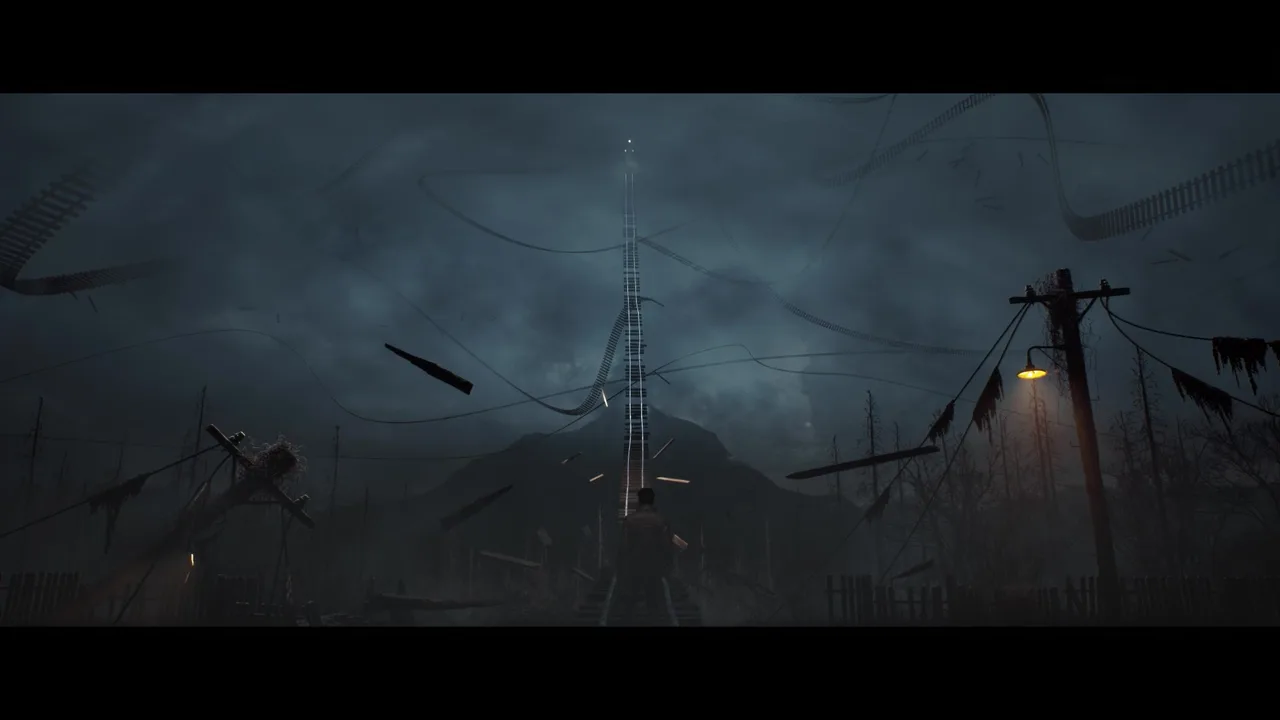
There’s a moment — maybe two hours in, maybe three — where you notice the walls look wrong. Not damaged-wrong, not flooded-wrong. Wrong in a way you can’t articulate. The shadows bend at angles that don’t match the light source. A figure stands at the end of a hallway, and when you blink, it’s gone. Or maybe it was never there.
That’s the sanity system working. And unlike most survival horror games that bolt a “scary meter” onto otherwise normal gameplay, The Sinking City 2 makes your mental state a genuine mechanical pressure that reshapes how you play.
What Is Mind Pressure?
Frogwares uses the term “mind pressure” rather than a simple sanity bar, and the distinction matters. This isn’t a binary sane/insane toggle. It’s a spectrum of psychological degradation that the game tracks as you encounter cosmic horrors, spend time in darkness, witness disturbing events, and generally exist in a place where reality has stopped being reliable.
Think of it as an invisible gauge that fills as you absorb the wrongness of Arkham. The fuller it gets, the more the game pushes back against you — not with difficulty spikes, but with perceptual distortion. The world starts lying to you.
Based on the demo and the first game’s design, mind pressure likely works on a continuous scale rather than discrete stages, though certain thresholds probably trigger specific effects. The exact mechanics will vary, but the philosophy is consistent: the more horror you absorb, the harder Arkham becomes to navigate.
What Raises Mind Pressure
Not everything in Arkham attacks your body. Some things attack your mind. Here’s what’s expected to increase mind pressure based on the demo, previews, and conventions from the first game:
Direct Triggers
- Encountering eldritch entities. Seeing Deep Ones, the Slither, or especially the reality-bending shadows inflicts mind pressure just by proximity. You don’t need to fight them — being near them is enough. The more alien the creature, the stronger the effect.
- Witnessing disturbing scenes. Arkham is full of evidence of what the flood brought — bodies, ritual sites, things that used to be human. Investigating these scenes provides information but costs sanity.
- Prolonged darkness. Spending extended time without any light source appears to gradually increase mind pressure. The darkness in TSC2 isn’t just an obstacle — it’s psychologically corrosive.
- Using certain investigation abilities. The optional investigation system reportedly includes perceptual abilities — seeing echoes of past events, reading psychic impressions — that take a toll on your mental state. The more you lean into the supernatural side of investigation, the more pressure you accumulate.
- The flood itself. Some areas of Arkham are more saturated with cosmic influence than others. Districts deeper into the eldritch contamination zone may passively increase mind pressure just by being there.
Indirect Triggers
- Low health. Being physically hurt and desperate raises psychological stress. This creates a compounding feedback loop — injury leads to anxiety leads to distorted perception leads to mistakes leads to more injury.
- Resource depletion. Running out of supplies, while not directly a sanity trigger in mechanical terms, likely accelerates existing pressure. The game is expected to heighten environmental horror cues when you’re already struggling.
- Isolation and prolonged exploration. The further you push into a district without returning to a safe space, the more the atmosphere works on you. This is the game’s way of rewarding regular retreats to your boat or safe rooms.
What Mind Pressure Does to You
This is where the system gets genuinely clever. Mind pressure doesn’t just slap a filter on the screen and call it a day. Based on the demo footage and Frogwares’ design history, elevated mind pressure is expected to produce layered effects that directly interfere with gameplay.

Visual Distortion
The most immediately noticeable effect. As mind pressure rises:
- Edges of the screen warp and blur
- Shadows lengthen and move independently
- Environmental geometry subtly shifts — doorways seem narrower, ceilings lower, corridors longer
- Color grading shifts toward sickly greens and impossible purples
- Textures on walls and floors may ripple or breathe
These aren’t just cosmetic. Visual distortion makes it harder to navigate, harder to spot real threats versus hallucinated ones, and harder to find items and exits in the environment.
Hallucinations
The cruelest trick in the system’s arsenal. At elevated mind pressure, the game starts showing you things that aren’t there.
| Hallucination Type | Effect | Danger Level |
|---|---|---|
| Phantom enemies | Figures that look like real threats but vanish on approach — wastes ammo if you shoot at them | Moderate |
| False audio cues | Footsteps, breathing, or growling from empty rooms — misdirects your attention | Low-Moderate |
| Environmental phantoms | Doors that aren’t real, pathways that dead-end, objects that disappear when reached | High — can get you lost |
| Apparitions | Ghostly figures, particularly a pale female figure shown in promotional material, that appear and vanish | Psychological — varies |
The phantom enemy problem deserves special emphasis. If you’re jumpy and your sanity is low, you will waste ammunition shooting at hallucinations. Every bullet fired at nothing is a bullet you don’t have for the real thing behind you. Learning to hesitate before firing when your mind pressure is elevated is a critical skill.
How do you tell real from hallucinated? Based on the first game: real enemies cast shadows (usually), make consistent sounds that track with their movement, and don’t vanish when you break line of sight. Hallucinations tend to appear suddenly, move erratically, and dissolve rather than retreating. But at very high mind pressure, even those tells may become unreliable.
Mechanical Effects
Beyond perception, mind pressure likely affects hard gameplay mechanics:
- Aim sway or reduced accuracy — your hands shake, your aim drifts
- Slower interaction speed — opening doors, picking up items, crafting all take longer
- Movement changes — possible stumbling, momentary freezes, or involuntary direction changes
- Reduced flashlight effectiveness — the beam narrows or flickers at high pressure
These mechanical penalties stack with the perceptual ones to create a comprehensive degradation of your ability to function. High mind pressure doesn’t kill you directly, but it makes everything else more likely to.
How to Reduce Mind Pressure
You can’t stay calm in Arkham forever. But you can manage the pressure and bring it back down.
Safe Spaces
Your primary sanity recovery tool. Safe rooms, your boat, and designated rest areas are expected to gradually reduce mind pressure while you’re in them. This is the game’s way of encouraging rhythmic play — push into danger, retreat to safety, push again.
- Your boat is likely the most accessible safe space. After clearing a building or reaching a stressful threshold, rowing back into open water and sitting for a moment lets the pressure bleed off.
- Interior safe rooms — rooms with locked doors, light, and no enemy access — serve the same function deeper into districts where the boat isn’t close.
- Don’t rush through safe spaces. Sit in them. Let the meter come down. The time you spend recovering sanity is an investment in future performance.
Light
Light is therapeutic. Being in well-lit areas or using your flashlight counteracts the darkness-related pressure buildup. This creates an interesting tension with the survival basics — the flashlight attracts enemies, but it also protects your mind. You’re constantly trading physical safety for mental stability and vice versa.
Ambient light sources — candles, windows to the outside, phosphorescent environmental features — provide the benefit without the enemy-attraction risk. Seek them out.
Consumables
Based on the first game and genre conventions, TSC2 is expected to include consumable items that directly reduce mind pressure. Alcohol, medication, or other calmatives that provide immediate sanity relief at some other cost — perhaps reduced physical performance, blurred vision, or simply the resource expenditure itself.
These items are probably rare and best saved for emergencies — moments where your mind pressure is critically high and you can’t reach a safe space. Don’t burn them at moderate pressure levels when a safe room could do the same job for free.
Avoiding Triggers
The simplest approach: don’t look at things that hurt your mind. This sounds reductive, but in practice it means:
- Don’t stare at eldritch entities longer than necessary. Spot the threat, plan your response, act. Don’t linger on the visual.
- Move through disturbing scenes briskly. Examine what you need for investigation purposes, then leave. Don’t soak in the ambiance.
- Use ambient light paths to avoid prolonged darkness exposure.
- Retreat before pressure gets critical. If you feel the visual distortion ramping up, that’s your cue to head back to the boat or a safe room.
The Temptation: Leaning Into Madness
Here’s the part that makes TSC2’s sanity system more than just another resource to manage.
The first Sinking City had content — visual details, environmental clues, alternate perceptions — that only appeared when your sanity was low. Things the “sane” version of the world hid from you. TSC2 is expected to expand on this concept significantly.
At elevated mind pressure, you might:
- See hidden clues that are invisible at normal sanity levels — messages on walls, spectral traces of past events, the true form of disguised objects
- Perceive alternate versions of environments — rooms as they were before the flood, or as they will become
- Access investigation insights that the rational mind filters out
- Notice enemy weaknesses or environmental solutions that aren’t visible to a stable mind
This is the cosmic horror trade-off distilled into a game mechanic. The more you let Arkham in, the more Arkham shows you. But the more it shows you, the harder it becomes to function, the more likely you are to shoot at phantoms, and the closer you get to whatever happens when the mind pressure gauge maxes out.
Should you ever deliberately raise your sanity pressure?
Maybe. If you’re in a relatively safe area with good access to a retreat route, and you suspect there’s hidden investigation content you’re missing, pushing your mind pressure up intentionally could reveal things you wouldn’t otherwise find. But do it with full health, a clear escape plan, and consumables in your inventory for emergency recovery.
Don’t do it before a combat encounter. Don’t do it deep in hostile territory. Don’t do it when you’re low on resources. The benefits are real but the risks compound fast.
For the full mechanical breakdown of the sanity system, including any confirmed thresholds and effects, see the sanity and mind system page.
Sanity and the Investigation System
The intersection of mind pressure and the optional investigation system deserves its own section because it’s where the design gets particularly layered.
Investigation in TSC2 reportedly includes psychic or supernatural perception — reading impressions from objects, seeing echoes of past events, perceiving hidden connections between clues. These abilities run on your sanity as fuel. Using them pushes your mind pressure up, which means:
- Deep investigation work requires accepting elevated sanity risk
- The most valuable investigation insights may only be accessible at pressure levels where hallucinations are active
- Distinguishing investigation-relevant visions from pure hallucinations becomes its own puzzle
This creates a fascinating loop where the player who engages most deeply with the investigation system is also the player dealing with the most perceptual interference. You see more, but you trust less of what you see.
Managing Mind Pressure Across a Session
Zooming out from moment-to-moment tactics, here’s how to think about sanity management across a full play session:
- Start each district exploration at low mind pressure. If you’re already stressed from the last area, spend time in a safe space or on your boat before pushing forward.
- Treat mind pressure like a clock. You have a limited window of effective operation before distortion gets bad enough to compromise your survival. Plan your exploration pushes around that window.
- Save before entering high-pressure areas. If you can feel the horror ramping up — the audio getting stranger, the lighting getting worse, the architecture getting less Euclidean — save first.
- Don’t try to do everything in one push. Clear what you can while your mind is clear, retreat, recover, and come back for the rest. The areas aren’t going anywhere. Probably.
- Keep consumable sanity recovery for genuine emergencies. A crisis moment during a boss encounter or a situation where retreat is blocked — that’s when you pop the calmative, not when you’re mildly uncomfortable in a dim hallway.
The Horror Is the Point
One last thought. The mind pressure system exists partly to make you feel something — not just manage a meter. When the walls start breathing and the shadows don’t match and you hear someone call your name from a room you already cleared, that’s the game succeeding at being horror.
Some players will optimize the system to zero, keeping sanity perfectly managed, never experiencing the hallucinations, never seeing the hidden content. That’s valid. You’ll survive longer and play more efficiently.
But you’ll also miss what makes Arkham feel alive — or whatever the opposite of alive is. The cosmic dread isn’t a punishment. It’s an invitation. How far you accept it is up to you.
Just know that Arkham remembers how deep you looked, and the things you saw down there remember you too.
Related Guides
- Survival Basics — the core systems that interact with mind pressure
- Resource Management — managing the consumables that keep your mind intact
- Beginner’s Guide — start here if you’re new to the game
Frequently asked questions
Can your character go permanently insane in The Sinking City 2?
Based on the demo and Frogwares' design philosophy, sanity pressure appears to be manageable rather than permanent. High mind pressure creates dangerous gameplay effects but can be reduced through safe behaviors. However, whether extreme sanity loss can lead to a permanent state or alternate ending hasn't been fully confirmed.
Does sanity affect combat in The Sinking City 2?
Yes. Based on preview footage, elevated mind pressure causes visual distortions, hallucinations that can be mistaken for real enemies, and potentially reduced accuracy or altered controls. Managing your sanity before combat encounters is part of effective preparation.
Is there a benefit to having low sanity in The Sinking City 2?
Possibly. The first Sinking City had hidden content visible only at low sanity, and TSC2 is expected to follow a similar approach. Some investigation clues, environmental details, or alternate perceptions may only appear when your mind pressure is elevated — creating a deliberate risk-reward trade-off.