Resource Management Guide for The Sinking City 2: Ammo, Healing, and Inventory
Learn how to manage scarce ammo, healing items, crafting materials, and inventory space in The Sinking City 2. Know what to grab and what to leave.
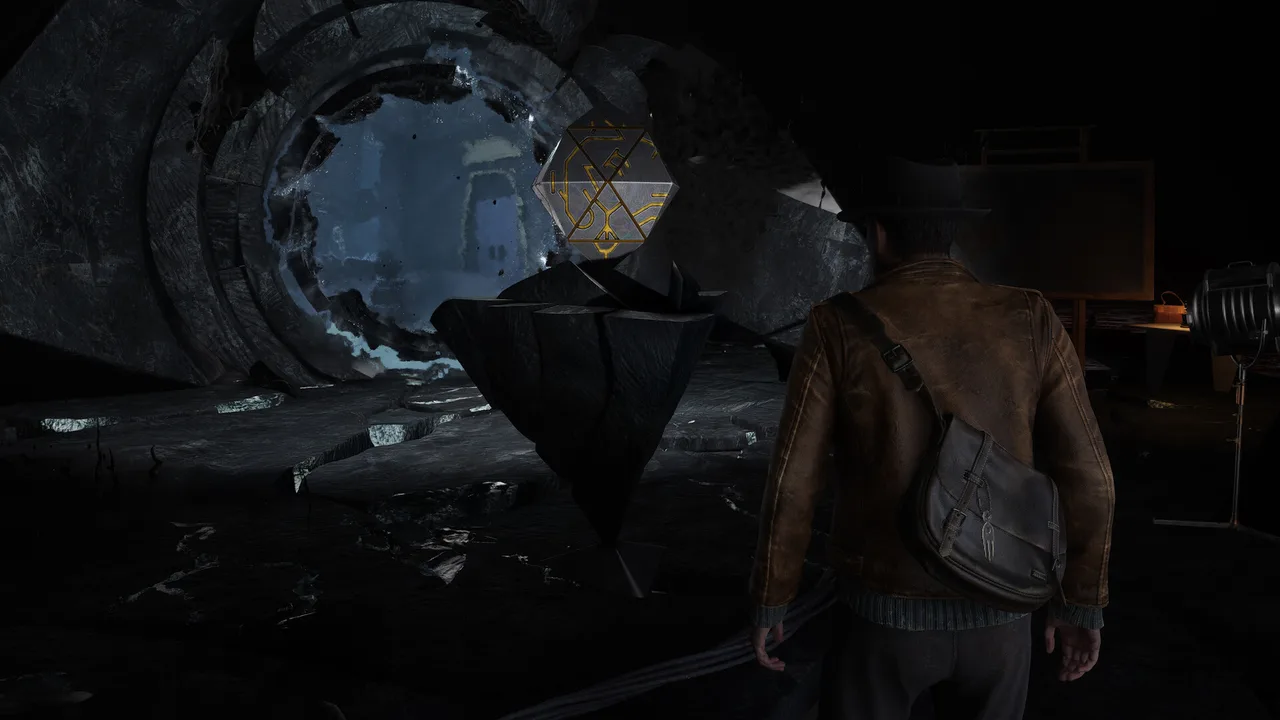
The first time you check your inventory in The Sinking City 2 and realize you have four bullets, one bandage, and three rooms left to clear, you’ll understand why this guide exists. Resource scarcity isn’t a side mechanic in TSC2 — it’s the game’s heartbeat. Everything flows from what you have and what you’re willing to spend.
Frogwares has been clear that this is a survival horror game where feeling underpowered is the point. You are never supposed to have enough. The question is always how to make “not enough” stretch further than it should.
The Four Resource Categories
Every item you’ll find in drowned Arkham falls into one of four categories, each with its own scarcity profile and decision weight.
Ammunition
Ammo is the most psychologically stressful resource to manage because it feels urgent. Something’s shambling toward you, you’ve got a gun, your instinct screams “shoot.” But every round you fire has a cascading cost: the noise attracts more enemies, the bullets are gone forever, and the materials you could have used to craft replacements are sitting in a crate two rooms back that you skipped.
Ammo management principles:
- Accuracy matters more than firepower. A single well-placed shot to a creature’s weak point accomplishes more than five panicked body shots. Based on the demo, enemies show visible weak points — exposed tissue, glowing nodes, structural damage. Hit those. For detailed weak-point maps, check the arsenal and individual bestiary entries.
- Each weapon type is expected to have its own ammo pool. Don’t assume one type of ammunition works across all firearms. This means your “ammo supply” is really several separate supplies, each managed independently.
- Keep a minimum reserve. Never spend your last rounds on a fight you don’t absolutely need to win. A good rule of thumb: keep at least enough ammo for one emergency encounter at all times. What “one encounter” costs depends on the weapon and enemy, but you’ll develop a feel for it.
- Melee is free but costly. Melee attacks don’t consume ammo, but they require closing distance with something that wants to kill you. Against a lone, weakened enemy in a narrow space, melee can be viable. Against anything else, it’s a gamble with your health — and health is its own scarce resource.
Healing Items
Health doesn’t regenerate. Let that sink in. Every hit you take stays with you until you use a healing item, and healing items are arguably scarcer than ammunition.
Based on survival horror conventions, TSC2 is expected to have tiered healing:
| Healing Tier | Expected Use | Scarcity |
|---|---|---|
| Basic (bandages, wraps) | Minor damage, light injuries | Uncommon but findable |
| Mid-tier (medical kits, salves) | Moderate injuries, partial restoration | Rare |
| Full restoration | Complete health recovery | Very rare — possibly crafted only |
Healing philosophy:
- Prevention beats cure. Every point of damage you avoid through stealth, positioning, or running away is a healing item you don’t spend. The survival basics guide covers avoidance tactics in depth.
- Heal at the right time. Don’t use a full medical kit when you’re at 80% health — you’re wasting most of its value. Wait until you’re genuinely low, then heal fully. Conversely, don’t hoard healing items so aggressively that you die with a full inventory.
- Heal in safe spaces. Healing takes time and likely locks you into an animation. Doing it in the middle of a fight or an unsecured room is asking to get hit again immediately. Clear the area or retreat to your boat before healing.
Crafting Materials
This is where the resource game gets genuinely interesting. Crafting materials are the raw currency of TSC2’s survival economy — they convert into ammunition, healing items, and probably weapon repairs. The tension is that the same materials serve multiple purposes.
Found a stash of chemical components? That could become three pistol rounds or one medical kit. Which do you need more? That depends on your current state, what you’re expecting ahead, and honestly a little bit of guesswork.
Crafting material priorities shift constantly:
- Early game: craft healing items. You don’t know the enemy patterns yet, you’re going to take hits, and dying resets progress. Ammo is important but survival is binary — zero health means game over regardless of how many bullets you’re carrying.
- Before a known combat encounter: craft ammo. If you can see or hear that the next area is hostile, make sure you can fight through it.
- When exploring: balance both. Keep a moderate supply of each and craft reactively based on what you find and what you need.
- Weapon repairs are expected to consume materials too. A broken weapon is worse than no weapon — it takes an inventory slot without contributing. Keep your primary weapon maintained.
The full crafting system, including expected recipes and material sources, will be documented at the crafting and repair system page once the game releases.
Key Items and Clues
Key items and investigation clues occupy a separate category because they serve progression rather than survival. A key opens a door. A clue advances an investigation thread. These items typically don’t compete with survival supplies for inventory space — most games give them their own dedicated slot or sub-inventory.
That said, the time you spend finding clues competes with the time you spend looting. The investigation system is optional, and engaging with it means more time in dangerous areas. The payoff, based on the demo, includes alternate routes and upgrade materials — which can actually improve your resource situation long-term. It’s an investment.
Inventory Space: The Hidden Resource
Your inventory is finite. You can’t carry everything. This means inventory space itself is a resource — and one of the trickiest to manage.
What to Grab (Almost Always)
- Ammo for your currently equipped weapons. If you’re carrying a revolver and a shotgun, grab revolver and shotgun ammo. Leave ammo for weapons you don’t have unless you expect to find that weapon soon.
- Healing items up to a reasonable stockpile. Carrying ten bandages when you only have room for five more items is overkill. Carrying zero is suicidal.
- Crafting materials — almost always worth grabbing. They’re versatile and compact.
- Key items. Always. You need them to progress.
What to Leave (Sometimes)
- Ammo for weapons you don’t own. Inventory space is too precious to gamble on finding a specific weapon later.
- Duplicate supplies when you’re near capacity. If you’re almost full and you see a bandage but you already have three, consider leaving it and remembering its location. You might need it later when you’ve used what you have.
- Low-value environmental objects. Not everything that glows or sparkles is worth picking up. Some items are junk or have negligible value. If the item description doesn’t suggest a clear use, and you’re tight on space, skip it.
The Mental Map
Here’s a trick veteran survival horror players use: keep a mental map of resources you left behind.
You cleared a room. There was a box of ammo on the desk that you couldn’t carry because your inventory was full. Remember where it was. Not vaguely — specifically. “Second floor, the office with the broken window, north side of the building near the dock.” If you come back through this area later and you’re low, you know exactly where to go.
This mental catalog is one of the strongest resource management tools you have, and it costs nothing but attention.
The Economy of Combat
Every fight has an economic equation. It’s not just “can I win?” — it’s “what does winning cost, and is it worth it?”
Let’s run through a hypothetical. You encounter a lone Slither blocking a corridor. Your options:
Fight it:
- Cost: 3-5 rounds of ammo (estimated), possible health damage requiring healing afterward, noise that might attract reinforcements
- Gain: a clear path, whatever loot is behind it
Sneak past it:
- Cost: time, mental energy, risk of detection mid-sneak
- Gain: all resources preserved, no noise generated
Avoid the corridor entirely:
- Cost: you don’t get whatever was down that hall
- Gain: zero resource expenditure, zero risk
There’s no universally correct answer. If you’re healthy and stocked on ammo, fighting is fine. If you’re limping along with two bullets, sneaking or avoiding is the only sane choice. If the corridor leads to a major objective, you probably need to go through it regardless.
The point is to always run the equation. Don’t fight on autopilot. Don’t hoard so aggressively that you die with full pockets. Find the middle ground for your current situation.
Resource Distribution Patterns
Survival horror games don’t distribute resources randomly. They follow patterns, and recognizing those patterns gives you an information advantage.
Common distribution cues based on the genre:
- Generous supply stashes before a hard encounter. If you suddenly find an unusual amount of ammo and healing items, the game is telling you something bad is about to happen. Stock up and prepare.
- Scarcity after a boss or setpiece. Post-combat areas tend to be lean. The game assumes you just spent resources and wants to maintain pressure.
- Supplies hidden in optional exploration areas. Rooms that are off the critical path — side offices, locked closets, flooded basements — often hold better loot. The risk of exploring them is the cost of admission.
- Safe rooms tend to have basic supplies. Not always, but often enough that checking every corner of a safe room is worth the time.
- Underwater and submerged areas likely hold valuable resources as a reward for the risk of exploring them.
Pay attention to these patterns. After a few hours, you’ll start predicting what’s ahead based on what the game just gave you.
Crafting Decision Framework
When you sit down at a workbench (or wherever crafting happens in TSC2), here’s a simple framework for deciding what to make:
- Am I about to die? Craft healing items. Nothing else matters if you’re one hit from death.
- Am I healthy but out of ammo? Craft ammunition for your primary weapon.
- Am I stable on both? Craft whatever you have less of, or save the materials for later. Sometimes the best crafting decision is not crafting at all — holding materials gives you flexibility.
- Is my weapon damaged? Repair it before crafting ammo. Bullets for a broken gun are useless.
Don’t overthink it. The framework is health-first, firepower-second, flexibility-third. Adjust based on context — if you know a boss fight is coming, lean harder toward ammo and healing even if your current supplies seem okay.
Long-Term Resource Strategy
Beyond the moment-to-moment decisions, there’s a macro-level resource strategy that shapes your entire playthrough:
- Explore thoroughly in early districts. The early game is where you build your resource cushion. Don’t rush through the opening areas — loot everything, explore every accessible room, build up a reserve before the game gets harder.
- Invest in the investigation system. It’s optional, but the alternate routes and upgrade materials it provides can dramatically improve your resource efficiency later. A shortcut past a combat encounter is worth dozens of bullets you never had to spend.
- Don’t neglect weapon condition. A well-maintained weapon kills more efficiently, which means less ammo spent per encounter. Repair costs feel expensive in the moment but pay off across multiple fights.
- Accept that you’ll run dry sometimes. Even perfect resource management can’t prevent every shortage. When it happens, lean on stealth, melee, and environmental advantages. Running out of ammo isn’t a fail state — it’s the game working as intended.
The flood is rising, the walls are closing in, and the things in the water are getting bolder. But if you’re smart about what you carry and disciplined about what you spend, you can make every bullet, every bandage, and every scrap of material count for more than it should. That’s the real weapon in Arkham — not the gun in your hand, but the restraint to not always pull the trigger.
Frequently asked questions
Should I craft ammo or healing items first in The Sinking City 2?
Generally prioritize healing items when both are critically low — you can sneak past enemies to avoid using ammo, but you can't sneak past an empty health bar. Craft ammo when you're healthy but running dry before a known combat encounter.
Can I go back and pick up items I left behind in The Sinking City 2?
Based on the game's semi-open structure, you should be able to revisit districts by boat. However, the dynamic flood system may change water levels and building accessibility, so items in previously explored areas might become unreachable. Grab high-priority items when you find them.