How the Investigation System Works in The Sinking City 2
A complete guide to TSC2's optional investigation system — gathering clues, using the case board, making deductions, and what it unlocks across Arkham.
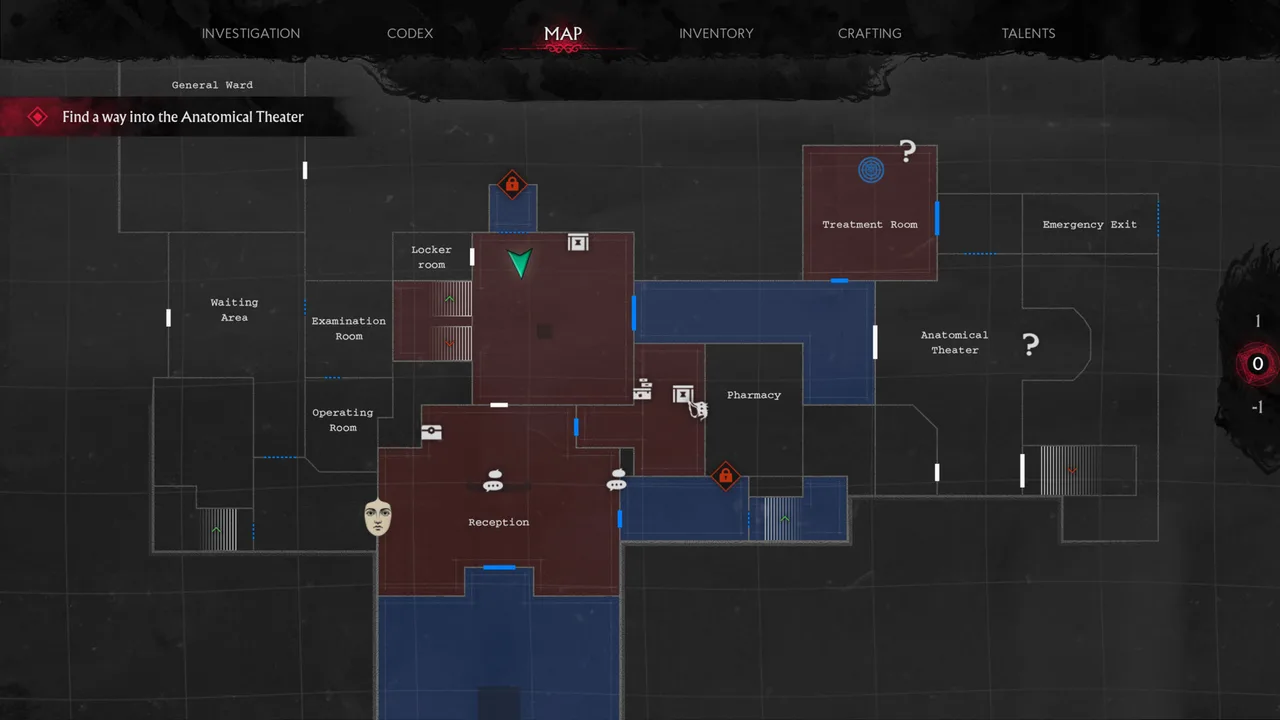
The Sinking City 2 doesn’t force you to play detective. That’s one of the sharpest design choices Frogwares made when reshaping this series into survival horror — the investigation board and its clue-gathering loop sit alongside the core game rather than sitting at its center. You can blast and scavenge your way through flooded Arkham without ever opening the case board.
But you probably shouldn’t skip it. The investigation system is where The Sinking City 2 hides some of its best content — alternate routes that bypass dangerous encounters, upgrade materials you won’t find any other way, and lore that actually changes how you understand what’s happening to Arkham. Here’s how the whole thing works, based on what the prologue demo and preview coverage have shown us.
The Shift from the First Game
Fans of the original Sinking City will notice the investigation system occupies a completely different role here. In that game, detective work was the primary gameplay loop. You’d visit crime scenes, interrogate witnesses, pin evidence to your mind palace board, and make deductions that drove the story forward. Skip the detective work, and you had no game to play.
The Sinking City 2 inverts that relationship. Survival horror is the spine — resource scarcity, desperate combat against the Slither and Deep Ones, navigating flooded districts by boat. Investigation is a parallel system that enriches everything around it without ever blocking your path forward.
Think of it less like “the detective mode” and more like an optional intelligence layer. You can move through Arkham on instinct and firepower. Or you can slow down, read the city, and find smarter ways through.
Gathering Clues
Clues are physical objects and observations scattered through Arkham’s environments. Based on the demo, they take several forms:
| Clue Type | Where You Find Them | What They Do |
|---|---|---|
| Documents | Desks, shelves, bodies, pinned to walls | Provide written context — letters, notes, newspaper clippings, institutional records |
| Scene observations | Crime scenes, ritual sites, disturbed areas | Trigger character commentary and add visual details to the case board |
| Physical evidence | Hidden in drawers, behind locked doors, underwater | Tangible items that connect to specific deductions |
| Environmental details | Markings, damage patterns, water stains, symbols | Require you to examine the surroundings closely rather than just looting |
The demo shows a contextual prompt system — when you’re near an examinable object, a subtle indicator appears. It’s not a detective vision highlight that paints everything neon. You actually have to be looking in the right direction, which means clue-hunting rewards the kind of slow, careful exploration that survival horror already encourages.
Some clues are lying in the open. Others are tucked behind environmental puzzles — a locked cabinet that needs a key found elsewhere, a flooded room you can only access after the water recedes, a passage hidden behind destructible debris. The game doesn’t announce when you’ve found everything in an area, so thoroughness is its own reward.
The Case Board
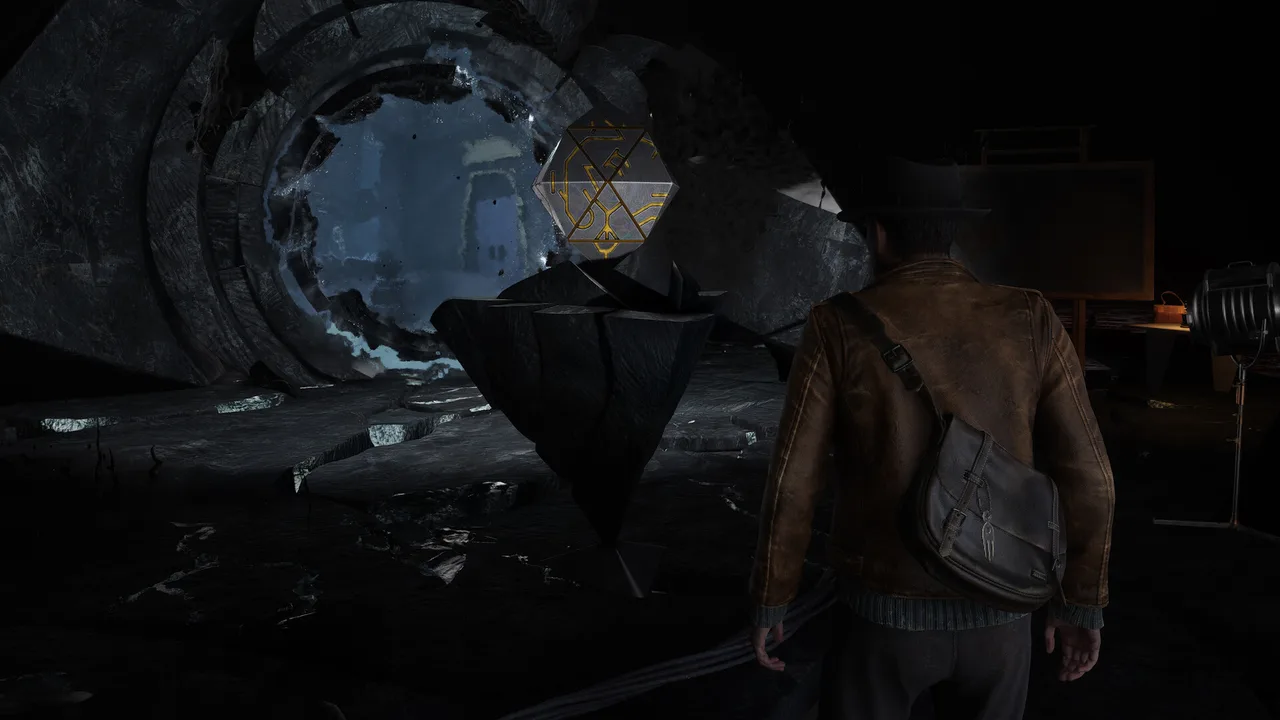
The case board is the hub where gathered clues become useful. From the demo and preview footage, it appears to function as a physical evidence board — think cork board with pinned photos and red string, rendered as an in-game UI rather than a separate screen.
Here’s what we know about how it works:
Clue organization. Evidence you’ve collected gets automatically categorized on the board. Documents cluster separately from physical evidence, and environmental observations attach to the locations where you found them. The board is organized spatially, which ties it to Arkham’s geography — you can see which districts have yielded evidence and which are still opaque.
Making connections. The core interaction is linking clues together. When two or more pieces of evidence relate to each other, you can draw a connection between them. The game provides feedback — some connections are valid and unlock new leads, while others don’t fit. This isn’t free-form scribbling; there’s logic to what connects, and wrong links are simply rejected rather than penalized.
Deductions. When enough connections form around a topic, you reach a deduction — a conclusion your character draws from the assembled evidence. Deductions are where the investigation system pays off mechanically. They can reveal hidden routes through a district, mark upgrade locations on your map, or unlock dialogue options with NPCs that skip otherwise mandatory encounters.
The case board is accessible at any time from the pause menu, based on what the demo shows. You don’t need to be at a specific location to review your evidence, which means you can piece things together during quiet moments between encounters.
What Investigations Actually Unlock
This is the part that matters for anyone debating whether to engage with the system. Based on the demo and preview information, investigations unlock several concrete things:
Alternate routes. This is the headline benefit. Completing certain deductions reveals paths through districts that bypass high-danger areas. A staircase hidden behind a bookcase. A drainage tunnel that cuts under a flooded block. A rooftop path that avoids a ground-floor encounter entirely. These aren’t just shortcuts — they’re often the safest way through an area, saving you ammunition and healing supplies you’d burn fighting through the standard route.
Upgrade materials. Some investigation chains lead to caches of crafting materials or unique upgrade components. Frogwares has been clear that investigation rewards include progression-relevant resources, making the detective work a legitimate alternative to pure scavenging for acquiring what you need to improve your loadout.
Lore and story depth. For players who care about Arkham’s mythology, the investigation system is where most of the narrative texture lives. Documents and deductions fill in the history of the flood, the factions operating in the city, and the eldritch forces at work. The main path gives you enough story to understand what’s happening, but investigations provide the why.
NPC interactions. Certain deductions open up dialogue options with Arkham’s surviving inhabitants. Based on preview coverage, these can range from getting a key piece of information to convincing someone to help you — or at least not shoot you.
Tips for Getting the Most Out of It
The investigation system rewards a particular mindset. Here are some practical suggestions based on what the demo teaches:
Search rooms completely before moving on. The demo’s opening areas contain clues in spots you might sprint past if you’re focused on survival. Desk drawers, the undersides of tables, documents pinned behind doors — if a room feels detailed, it probably has something to find. Check the exploration and secrets guide for more on thorough searching.
Revisit areas after the water changes. The flood system dynamically alters water levels across Arkham’s districts. A room that was knee-deep during your first visit might drain later, revealing evidence on the floor that was previously submerged. If you’ve been investigating a particular thread and feel stuck, changing water levels might be the answer.
Don’t force connections on the case board. If two clues don’t link, they probably relate to different threads. The game reportedly supports multiple simultaneous investigation lines, so evidence from one chain won’t connect to another. Let the board tell you what fits rather than trying to force-link everything.
Pay attention to your character’s comments. When you examine a clue, the protagonist sometimes remarks on it aloud. These aren’t flavor lines — they often hint at what the clue connects to or where to look next. Play with headphones if you can; the audio cues matter.
Balance investigation with survival. Spending ten minutes examining a room is only worthwhile if you’re not about to run out of healing supplies. If resources are critically low, push forward to the next safe area, then backtrack for clue-hunting once you’ve restocked. Investigation rewards are valuable, but they don’t help if you’re dead.
Investigation in the Prologue Demo
The demo introduces the investigation system within its first hour, though it doesn’t overwhelm you with it. You’ll encounter a handful of clues in the opening environments, and the case board tutorial walks you through making your first connections.
It’s worth playing the demo specifically to see how investigation feels in practice. The system is smoother and less menu-heavy than the first game’s mind palace — Frogwares clearly listened to criticism about pacing interruptions. You can pop the board open, make a connection, and be back in the game within seconds.
The demo’s investigation content is self-contained — you’ll complete a small chain that unlocks an alternate approach to one of the early encounters. It’s a microcosm of how the system works across the full game, and it’s a good test of whether you’ll enjoy engaging with it long-term.
Should You Bother With Investigation?
Honestly, yes. Even if detective work isn’t your thing, the alternate routes alone make investigation worth doing. Survival horror games punish you for wasting resources on unnecessary fights, and investigation literally shows you how to avoid some of those fights.
If you’re the type who searches every room anyway — opening every drawer, reading every note — you’re already doing half the work. The case board just gives you a framework to make that thoroughness pay off mechanically.
And if you do love the detective fantasy, the investigation system here is arguably better-designed than the first game’s. It’s leaner, faster, and it sits within a game that gives your discoveries real survival stakes. Finding a hidden route isn’t just intellectually satisfying — it might be the reason you survive the next district with enough ammunition to face what’s waiting at the end.
For the full mechanical breakdown of the case board interface, head to the investigation board system page. And if you want to know how investigation intersects with resource management, our resource management guide covers the economics of when to search and when to push forward.
Frequently asked questions
Is the investigation system required to finish The Sinking City 2?
No. The investigation system is entirely optional. You can complete the game through survival and combat alone, but engaging with investigations rewards you with alternate routes, upgrade materials, and deeper lore.
How do I find clues in The Sinking City 2?
Clues are scattered throughout Arkham's environments — examine objects, documents, and scenes highlighted by contextual prompts. Some clues are hidden behind environmental puzzles or locked areas that require thorough exploration.
What does the case board do in The Sinking City 2?
The case board is where you connect gathered clues to form deductions. Linking related evidence reveals new leads, alternate paths through districts, and can unlock upgrades or story insights you'd otherwise miss.