Melee Weapons
Ammo-Free Lifeline
Pipes, axes, and improvised melee weapons in The Sinking City 2 — your ammo-free lifeline when bullets run out in Arkham's flooded streets.
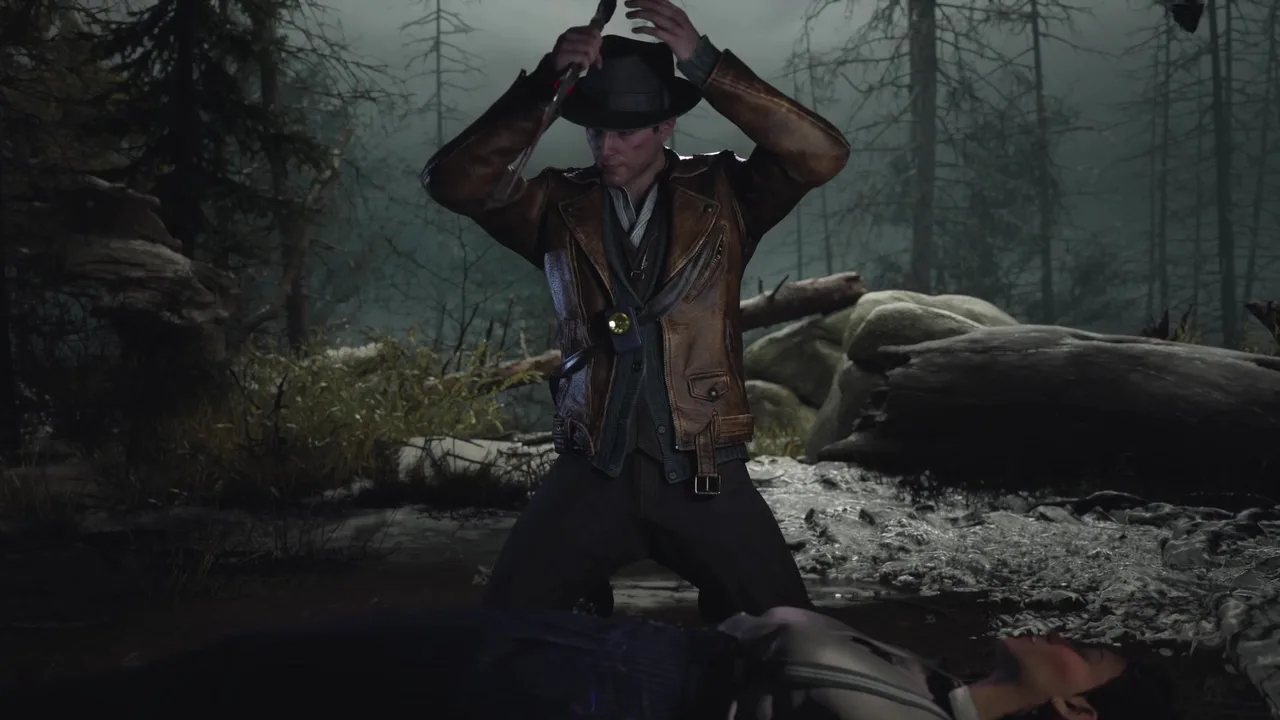
When the cylinder's empty, a length of pipe speaks louder than prayers.
There’s a moment in every survival horror game where you look at your inventory, see two revolver rounds and one shotgun shell, and realize you’re going to have to beat the next three enemies to death with whatever’s in your other hand. Melee weapons aren’t the glamorous part of your arsenal in The Sinking City 2. They’re the part that keeps you alive when everything else fails.
And in a game this resource-scarce, that might be often.
What they are
Frogwares hasn’t published a full melee weapon list, but the genre and setting make certain things nearly guaranteed. 1920s Arkham after a catastrophic flood means rubble everywhere — and rubble means improvised weapons. Lead pipes from burst plumbing. Fire axes from emergency stations. Wooden boards pulled from barricades. Wrenches, crowbars, whatever a desperate person could grab from a ruined building.
These break down into two rough categories: blunt and edged.
Blunt weapons — pipes, wrenches, wooden clubs — trade damage for durability. They last longer, hit slower, and stagger enemies through impact rather than cutting. A lead pipe doesn’t kill fast, but it doesn’t snap in half after six swings either.
Edged weapons — hatchets, hand axes, possibly improvised bladed tools — deal more damage per hit but degrade faster. An axe to the skull ends fights quickly. But three or four fights later, you’re looking for a new axe.
Most survival horror games use a durability system for melee weapons, and TSC2 is expected to follow suit. You’ll pick up weapons, use them until they break, and scavenge replacements. Managing that cycle is a skill in itself.
When to use them
Always — that’s the short answer. Melee should be your first option for any encounter where you can safely close distance against a manageable threat.
Lone Slithers shambling through a corridor? Pipe. A single creature lurking in a room you need to pass through? Axe. Anything that isn’t aggressively fast, doesn’t come in packs, and doesn’t require the stopping power of a shotgun blast.
The math is simple. Killing a weak enemy with melee costs you a fraction of your weapon’s durability. Killing it with the revolver costs two to four rounds you’ll never get back. Over the course of a long session pushing through Arkham, that savings compounds. The players who keep their ammunition reserves healthy are the ones who use melee aggressively against weaker threats.
Melee is also expected to enable stealth approaches. If TSC2 allows you to approach unaware enemies from behind — and most modern survival horror does — a melee backstab or charged strike could eliminate threats silently, without alerting nearby creatures or spending a single bullet.
Where melee becomes dangerous: fast enemies, groups, anything aquatic. Trying to melee a Deep One as it lunges from the water is a losing proposition. If the target is faster than you, or there are more than two threats, switch to firearms before you take damage you can’t afford.
Durability and upkeep
Durability is the hidden cost of melee combat. Weapons degrade with use, and you can’t repair most improvised tools — when a pipe bends or a board splinters, it’s done.
This creates a secondary scavenging loop. As you move through Arkham, you’re not just searching for ammunition and medical supplies. You’re also looking for fresh melee weapons. A fire axe found in a hospital corridor is as valuable as a box of revolver rounds, because it represents five or six kills you won’t need bullets for.
Carry at least one backup. If your primary melee weapon breaks mid-fight — and it will, at the worst possible moment — having a secondary pipe or wrench means you’re not suddenly unarmed in a room full of something hostile.
The resource and inventory system likely limits how many melee weapons you can carry. That’s intentional. You can’t hoard a dozen pipes and never worry about durability. You’ll probably carry one or two at most, and you’ll feel every swing counting down toward the break point.
Strengths and weaknesses
Strengths:
- Zero ammunition cost — the only truly renewable combat option
- Plentiful in the environment; replacements are more common than ammo
- Silent compared to firearms; useful for stealth-oriented play
- Higher-damage edged weapons can compete with firearms against single weak targets
- Deeply satisfying in a horror game where everything else feels scarce and fragile
Weaknesses:
- Requires closing distance, exposing you to enemy attacks
- Durability loss is constant and unpredictable — weapons break
- Ineffective against fast, armored, or multiple enemies
- Damage output ceiling is lower than firearms against elites and bosses
- Risk of taking chip damage in trades adds up over time, straining your medical supplies
Tips
Pair melee with firearms using the stagger technique. Open with a revolver shot to stagger a target, then close in and finish with melee swings. This hybrid approach uses one bullet instead of three or four and preserves your melee weapon’s durability by reducing the number of strikes needed.
Learn enemy attack patterns. Melee combat in survival horror is about timing — dodge or sidestep the enemy’s attack animation, then punish during recovery. Trading hits back and forth is expensive in a game where healing resources are limited. Fight smart, not greedy.
When choosing between a blunt and edged weapon, consider what’s ahead. Heading into a section with many weak enemies? Take the durable pipe. Approaching what feels like a mini-boss room? Grab the axe for raw damage. If the combat guide covers encounter forecasting, apply that logic to your melee selection too.
Finally, don’t get attached. Melee weapons are consumable, not companions. Use them hard, use them early, and replace them without sentiment. The next corridor probably has a perfectly good wrench waiting for you in the rubble. Probably.