Medical Supplies
Survival Essentials
Healing items in The Sinking City 2 — bandages, tonics, and first-aid kits to keep you alive through Arkham's most brutal encounters.
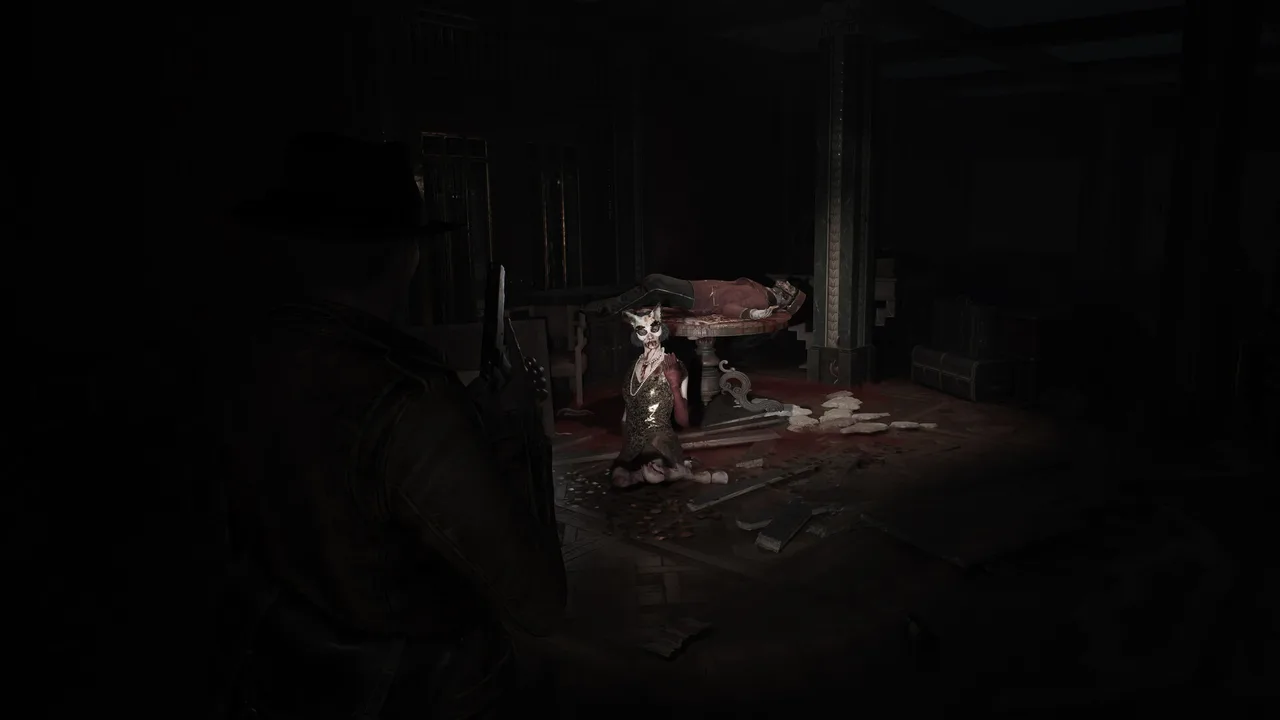
Bandages stop the bleeding. Nothing stops what causes it.
You will take damage in The Sinking City 2. Not “might.” Will. The question isn’t whether Arkham hurts you — it’s whether you have the supplies to keep going afterward.
Medical supplies are the most quietly essential part of your inventory. They’re not dramatic like a shotgun blast or a well-placed molotov. They’re what happens after the drama — the bandage you wrap around a gash from a creature’s claw, the tonic you drink to stop your hands from shaking, the first-aid kit that puts you back together well enough to face the next room.
What they are
Frogwares hasn’t published a complete healing item list, but the survival horror genre and 1920s medical setting suggest a tiered system:
Bandages — the baseline healing item. Quick to apply, restores a small amount of health, and probably the most common medical supply you’ll find. Think of them as the revolver of healing: not impressive, but always useful. Cloth strips, gauze, anything that stops bleeding. In a flooded city full of broken glass and rusted metal, bandages are less a luxury and more a constant need.
First-aid kits — the mid-tier heal. A proper assembled kit with antiseptic, clean bandages, and basic surgical tools. Restores a significant chunk of health but takes noticeably longer to apply. You’re not slapping this on mid-sprint — a first-aid kit demands a safe moment, a pause in the horror, which TSC2 may not give you often.
Medicinal tonics — the wildcard tier. The 1920s offered a fascinating (and occasionally horrifying) pharmacopeia. Laudanum, patent medicines, herbal preparations. In a game with Lovecraftian elements, tonics might do more than heal — they could offer temporary resistance to sanity effects, pain suppression that reduces flinching, or other situational buffs. This is speculative, but the setting practically begs for it.
When to use them
The survival horror healing dilemma is universal: do you heal now, or save the bandage for later when things might be worse?
Here’s a practical framework:
Heal after encounters, not during. Applying a bandage mid-combat leaves you stationary and vulnerable. Unless you’re about to die, finish the fight first, then patch yourself up in the quiet aftermath. A creature that hits you during a heal animation wastes both your health and your supply.
Don’t let chip damage accumulate. The temptation is to ignore a small health deficit — “I’m at 80%, I can push through.” But chip damage from multiple encounters stacks. By the time you’ve cleared three rooms at 80%, 65%, and 50% health, you’re one hit from critical and you’ve burned through the safety margin you’ll need for whatever’s ahead.
Save first-aid kits for below half health. Using a major heal when you’re at 70% wastes most of its restoration. Bandages are for topping off; kits are for emergencies.
Before boss encounters, heal to full. If you can sense an important encounter approaching — the music changes, the architecture gets more dramatic, the game practically hangs a sign — use whatever you need to enter at maximum health. The boss doesn’t care about your resource management principles.
Scarcity and the crafting trade-off
Like everything in TSC2, medical supplies are scarce. You’ll find bandages in bathrooms, hospitals, pharmacies, and on bodies. First-aid kits are rarer — maybe one per major area. Tonics, if they exist as a distinct category, might only appear in specific locations or as crafting results.
The resource and inventory system almost certainly forces trade-offs between medical crafting and other needs. Cloth that could become a bandage might also be wick material for a molotov. Alcohol that could disinfect a wound might be fuel for an incendiary. Every time you craft a healing item, you’re choosing recovery over offensive capability — and vice versa.
This is the real game within the game. Not the combat, not the puzzles, but the constant, quiet calculus of what you build with what you find. Veteran survival horror players know: the inventory screen is where you actually win or lose.
Strengths and weaknesses
Strengths:
- The only way to recover health (no regenerating health in survival horror)
- Bandages are relatively common compared to other consumable types
- Tiered system means you can match healing to the situation
- Crafting extends supply beyond what you find as loot
Weaknesses:
- Application takes time — you’re vulnerable while healing
- Inventory space competes with weapons, ammo, and throwables
- Crafting materials overlap with offensive items
- No substitute for avoiding damage in the first place
- Possible infection or complication mechanics could limit healing effectiveness (speculative)
Interaction with sanity
Here’s where it gets interesting. TSC2 features a sanity or “mind pressure” system that escalates as horror intensifies. Medical supplies almost certainly address physical health only — cuts, bruises, creature attacks. Sanity damage is a separate axis entirely.
This means you could be physically healthy but mentally compromised, or physically wrecked but psychologically stable. Managing both resources simultaneously, with overlapping but distinct supply chains, is exactly the kind of layered survival pressure Frogwares seems to be designing around. For more on how the sanity system interacts with your survival loop, the combat guide and systems pages will cover this as details emerge.
Tips
Establish a personal health threshold. Mine is 60% — below that, I heal. Above that, I push forward. Having a rule prevents both the “I’ll heal later” death spiral and the “I’ll heal every scratch” resource drain. Find the number that matches your comfort with the game’s difficulty.
Search medical-adjacent locations thoroughly. Bathrooms, infirmaries, pharmacies, and hospital wings are natural supply caches. A flooded Arkham hospital might be terrifying to explore, but the medical supplies inside could sustain you through an entire district.
Prioritize melee weapons and stealth to reduce your overall damage intake. The best medical supply is the one you never had to use. Every Deep One you sneak past or beat down with a pipe instead of engaging in a prolonged firefight is a bandage you keep in your bag for when sneaking isn’t an option.
Keep at least one first-aid kit in permanent reserve. Always. The moment you use your last kit is the moment the game will throw something at you that demands one. That’s not paranoia. That’s survival horror design.