Throwables and Incendiaries
Crowd Control and Area Denial
Molotovs, distractions, and improvised grenades in The Sinking City 2 — crowd control and tactical options for Arkham's worst encounters.
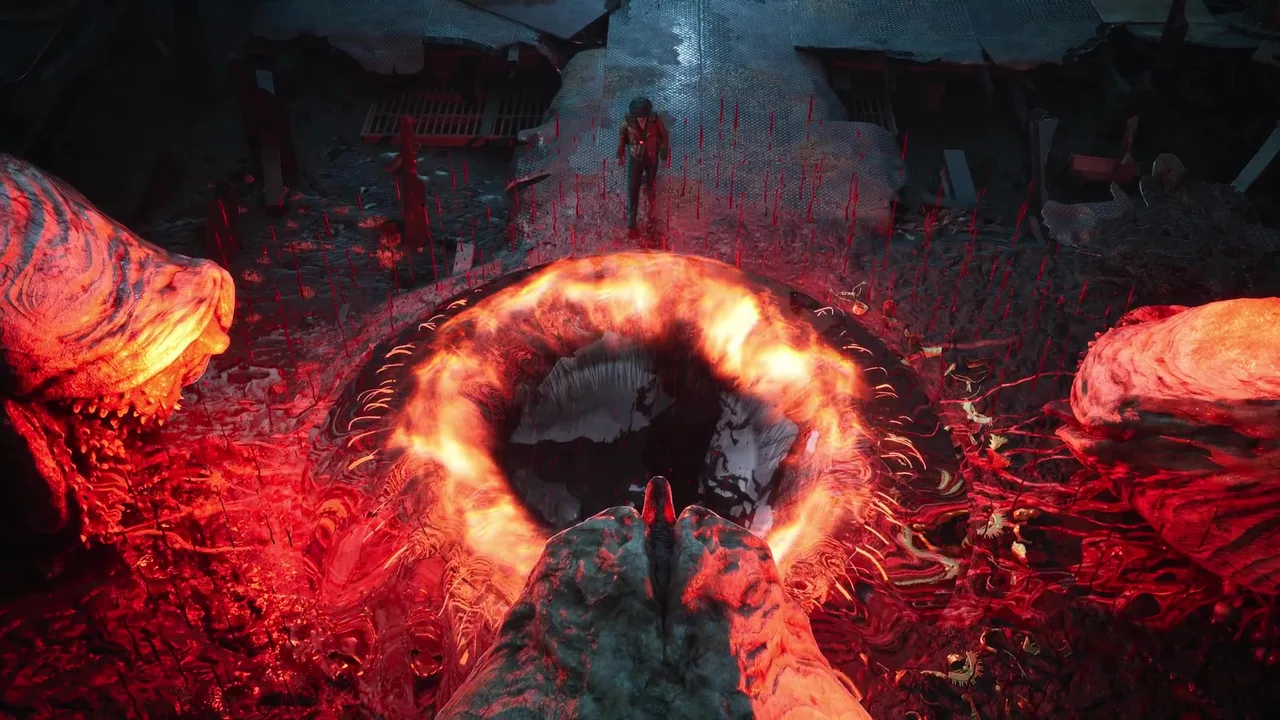
Fire doesn't care what crawled out of the water. It burns all the same.
There’s a specific kind of dread that comes from opening a door and seeing five shapes moving in the dark. Your revolver has four rounds. Your pipe has three good swings left in it. And you know — you know — that this room isn’t optional.
That’s when you reach for the molotov.
Throwables are the tactical wildcard in The Sinking City 2’s arsenal. They’re rare, they’re single-use, and they change the geometry of an encounter in ways firearms can’t. Preview footage shows fire-based throwables prominently, and the game’s 1920s setting provides plenty of raw material for improvised ordnance.
What they are
Throwables in TSC2 likely fall into three functional categories:
Incendiaries — molotov cocktails being the obvious centerpiece. A bottle, some alcohol (Arkham in the 1920s is lousy with speakeasies — bootleg liquor is probably more available than clean water), a strip of cloth. Light it, throw it, and anything in the impact zone burns. Fire creates an area-denial zone that persists for several seconds, damaging anything that walks through it.
Distractions — noise-makers or thrown objects designed to pull enemy attention. Think a brick thrown into a far corner, or an improvised firecracker. These don’t deal damage but redirect threats, opening paths you couldn’t safely walk through otherwise. In a game with stealth elements, a well-thrown distraction is worth more than a full cylinder of revolver ammunition.
Explosives — less certain, but the genre and era support them. Improvised pipe bombs or dynamite-adjacent devices would fit both the 1920s industrial setting and the survival horror tradition of rare, high-impact consumables. If they exist, expect them to be the rarest throwable type, saved for boss encounters or desperate last stands.
When to use them
The honest answer: almost never. That sounds contradictory, but it’s the survival horror paradox — the most powerful consumables are the ones you’re most reluctant to use, because what if the next room is worse?
Here’s when you should actually use them, despite the hoarding instinct:
Groups. A single enemy is a melee problem. Three enemies are a throwable problem. A molotov tossed into a cluster deals damage to all of them simultaneously, staggers them out of coordinated attacks, and gives you time to pick off survivors with aimed shots. The ammo you save by softening a group with fire probably exceeds the cost of the throwable.
Aquatic encounters. Deep Ones hate fire. When they surface from flooded areas, an incendiary forces them above water and keeps them staggered while you line up shots at their cranial ridge. If you know you’re heading into a harbor district or flooded basement, packing a molotov is insurance against the worst-case ambush.
Chokepoints. A molotov thrown into a doorway or narrow corridor creates a burning barrier that enemies have to push through, taking damage on the way. This buys you reload time, retreat distance, or a few seconds to use medical supplies before re-engaging.
Environmental puzzles. Fire interacts with the environment. Frogwares is building TSC2 on Unreal Engine 5, and the demo shows physics-driven destruction. Burning through barricades, igniting oil spills, triggering environmental chain reactions — throwables might have exploration utility beyond combat.
Crafting and scarcity
Throwables are almost certainly single-use and either found as loot or assembled through a crafting system. The resource and inventory system will determine how many you can carry and what materials you’ll need to make them.
For molotovs, the recipe is intuitive: a bottle, an accelerant, and a wick. In Arkham’s drowned world, bottles are everywhere but accelerant might be the limiting factor. Bootleg alcohol from speakeasy stashes, lamp oil from abandoned households, chemical reagents from a hospital — the components exist in the world if you search for them.
The decision to craft a throwable is always a trade-off. Those same materials might have other uses — alcohol could be a disinfectant for healing, cloth could be bandage material. Every molotov you build is a bandage you didn’t. That tension is deliberate, and it means the molotov you throw needs to be worth the healing you sacrificed.
Strengths and weaknesses
Strengths:
- Area-of-effect damage — the only weapon class that reliably hits multiple targets
- Fire damage persists, dealing additional burn ticks after the initial impact
- Effective counter to aquatic enemy types
- Creates area denial zones for tactical positioning
- Distractions enable stealth bypasses that cost zero ammunition or durability
Weaknesses:
- Single-use; once thrown, it’s gone
- Crafting materials compete with medical and other crafting needs
- Friendly fire is almost certainly a factor — a bad throw burns you too
- Inventory space for throwables competes with everything else you’re carrying
- The hoarding instinct means many players will finish the game with unused throwables they should have thrown three hours ago
Tips
Set a mental rule: if you’re carrying more than two or three throwables, use one. The hoarding instinct is real, but a throwable in your inventory is worth nothing. A throwable deployed in a bad situation is worth the encounter it saves you.
Aim for the ground near enemies, not directly at them. Thrown objects arc, and a molotov that sails over a target’s head and breaks against the far wall accomplishes nothing except wasting materials. Hit the floor at their feet and let the fire spread.
Combine throwables with firearms for maximum effect. Throw the molotov to stagger and cluster enemies, then immediately follow with aimed shots to weakened targets. This one-two approach probably represents the most ammunition-efficient way to handle group encounters in the game.
Use distractions before incendiaries when exploring. If you can lure two enemies to one side of a room with a noise-maker, you might slip past without fighting at all — zero resources spent. Save the fire for fights you can’t avoid.
And for the love of everything — check what’s behind you before you throw. Nothing ends a run faster than a molotov that bounces off a door frame and lands at your feet.