The Sinking City 2: Everything We Know So Far
A complete hub covering everything revealed about The Sinking City 2 — release date, gameplay, story, platforms, and what's changed from the original.
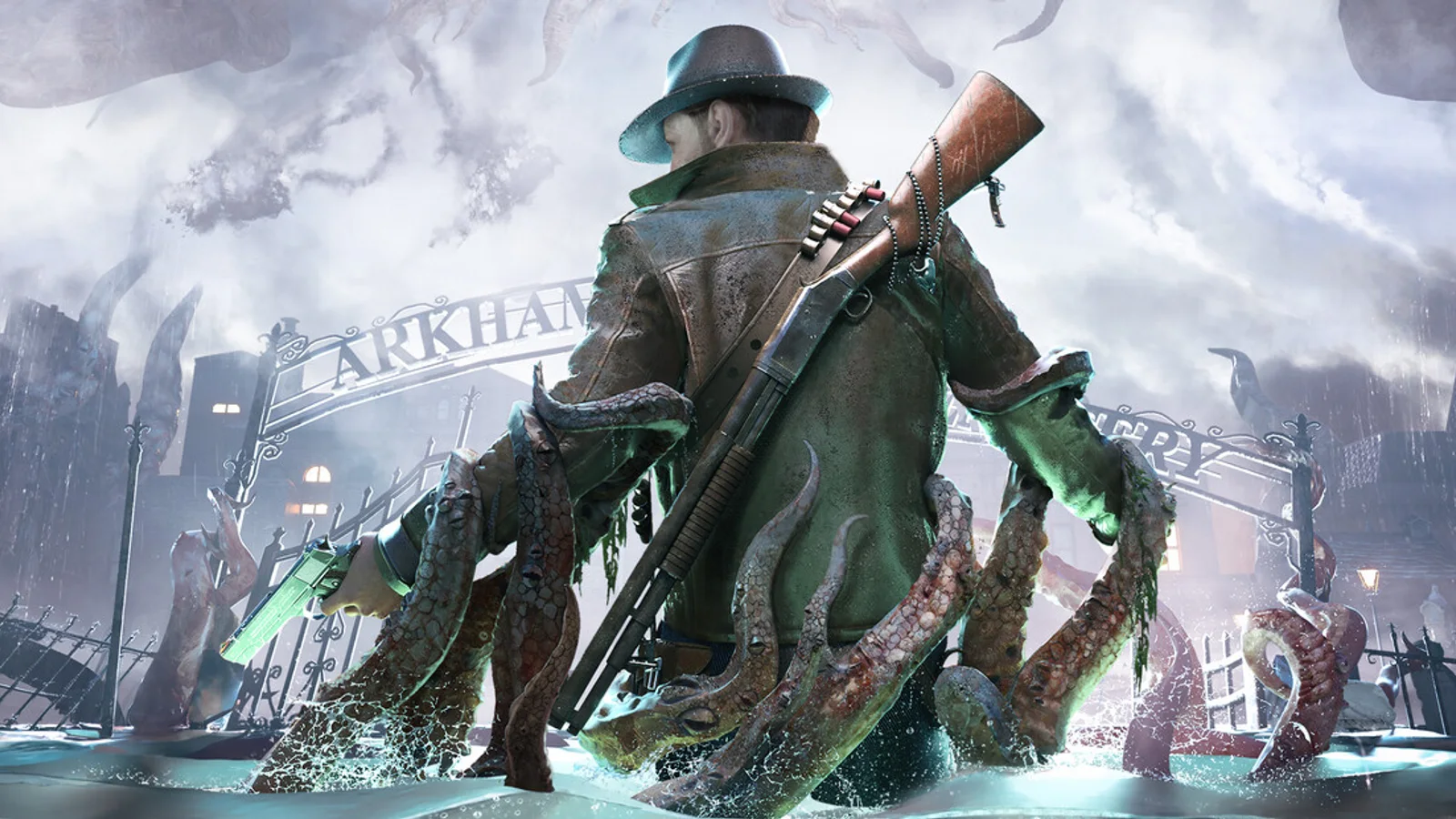
Frogwares’ Lovecraftian sequel has been one of the most quietly anticipated horror games for a while now, and with the August 18 launch date fast approaching, the picture is finally getting clear. Here’s everything we know about The Sinking City 2 — what’s changed, what’s new, and what the flooded streets of Arkham have in store.
This page is a living hub. As Frogwares reveals more, we’ll update sections and link out to deeper dives across the wiki. If you’re looking for something specific, the headings below should get you there fast.
Release Date and Platforms
The Sinking City 2 drops August 18, 2026 on PC (via Steam, Epic Games Store, and GOG), PlayStation 5, and Xbox Series X|S. There’s no last-gen version — Frogwares is building exclusively for current hardware and Unreal Engine 5, which explains the visual leap from the first game.
For the full breakdown on platforms, pre-orders, and editions, check our dedicated release date and platforms guide.
A Different Kind of Game
If you played the original Sinking City, you probably remember an open-world detective game set in Oakmont — lots of driving, lots of casework, a map full of pins. The sequel doesn’t follow that template.
The Sinking City 2 is a survival horror game first. The shift is deliberate and dramatic. Frogwares has talked openly about wanting to make something scarier, tighter, and more oppressive. Resources are scarce. Combat is desperate. The investigation mechanics are still there, but they’re optional now — they reward you with lore, alternate paths, and upgrade opportunities rather than gating your progress.
It’s closer in spirit to something like the older Resident Evil formula or the recent Dead Space remake than it is to L.A. Noire. You’re not a detective solving cases. You’re someone trying to survive long enough to save the person you love.
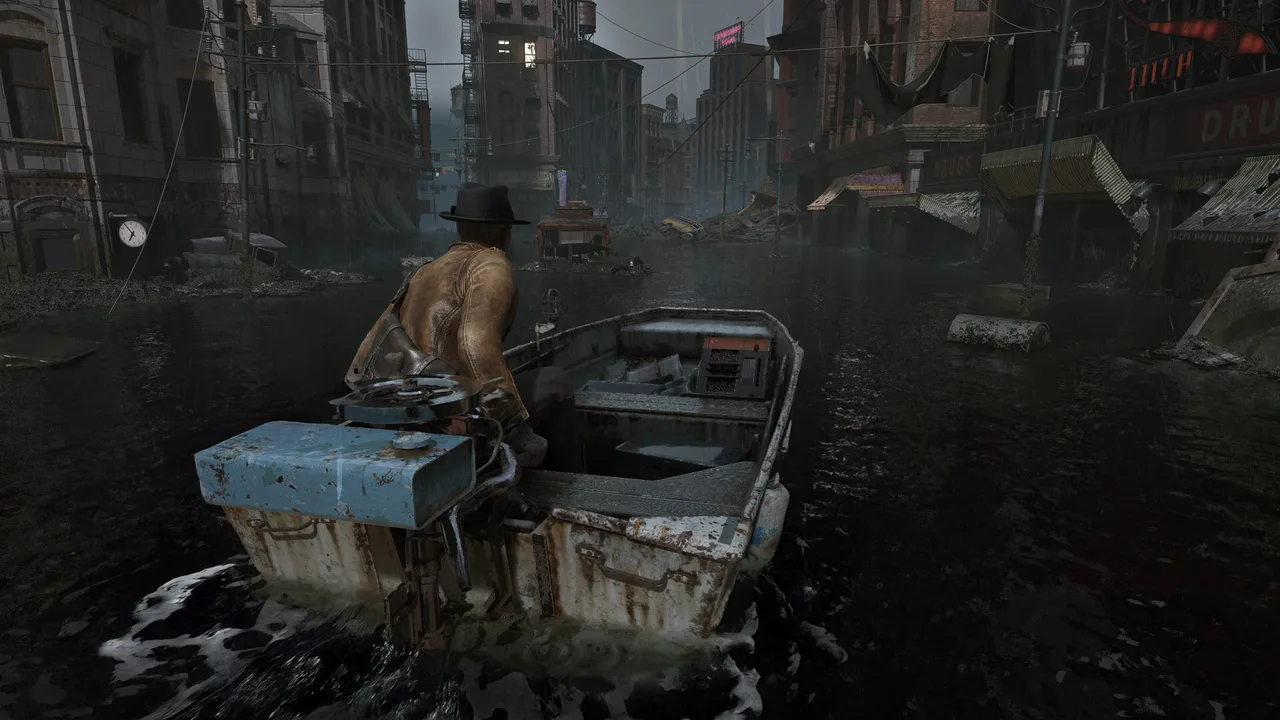
The Setting: 1920s Arkham, Drowned
Gone is Oakmont. The sequel moves to Arkham, Massachusetts — the fictional city H.P. Lovecraft put on the map, home to Miskatonic University and a long tradition of things going wrong in the worst possible ways.
But this isn’t the Arkham you read about. A supernatural flood has swallowed entire neighborhoods. Streets are rivers. Ground floors are underwater. Art Deco buildings stand half-submerged, their lobbies full of dark water and worse. The city is carved into districts — some partially flooded, some almost entirely drowned — and you travel between them by boat, docking to explore on foot.
The flood isn’t static, either. Frogwares has described a dynamic system where water levels shift, reshaping areas and changing what’s accessible. A hallway you sprinted through before might be waist-deep next time. A shortcut might vanish. That uncertainty feeds directly into the survival horror tension — you can’t rely on knowing the layout.
For more on the places you’ll explore, keep an eye on our districts pages as we build them out.
Story and Premise
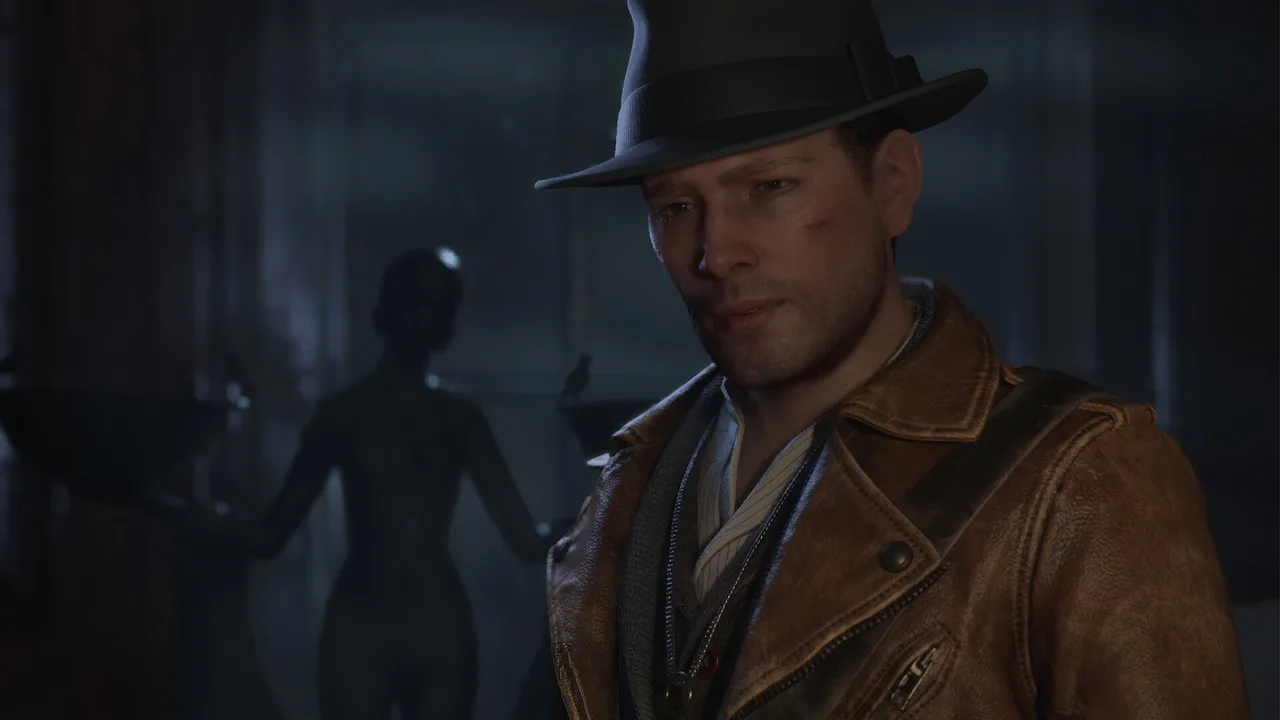
Here’s what we know: you’re trying to rescue a loved one who’s been taken — or drawn in — by eldritch forces. The story is standalone. You don’t need to have played the first game, and the protagonist is new. There’s no direct narrative continuation from Oakmont.
The broader Lovecraftian mythology is intact, though. Arkham is steeped in cosmic horror lore, and the flood itself feels like something out of “The Shadow over Innsmouth” filtered through a survival horror lens. Expect cults, forgotten rituals, things that shouldn’t be alive, and a city that feels like it’s watching you.
We’ve written a full breakdown for newcomers wondering whether the first game matters: do you need to play the first game?
Gameplay Systems at a Glance
The Sinking City 2 juggles several interconnected systems. Here’s the overview:
| System | What It Does | Status |
|---|---|---|
| Combat | Third-person gunplay and melee with enemy weak points; ammo is scarce, so every shot counts | Confirmed via demo |
| Investigation | Optional clue-gathering, puzzles, and deduction — rewards alternate routes and upgrades | Confirmed, never gates progress |
| Resource Management | Scavenge ammo, healing, and crafting materials across Arkham; inventory limits force hard choices | Confirmed via demo |
| Boat Travel | Navigate flooded streets to reach different districts; dock to explore on foot | Confirmed |
| Dynamic Flood | Water levels change, reshaping locations and access points | Described in previews |
| Sanity / Mind Pressure | Horror exposure affects your character as the situation escalates | Expected based on previews |
| Build Customization | Tailor your character’s loadout and abilities | Confirmed in previews |
The investigation system deserves a closer look. Unlike the first game, where detective work was the core loop, here it’s a layer on top of survival horror. You can push through Arkham with raw resourcefulness, or you can slow down, examine scenes, piece together clues on the investigation board, and find smarter paths forward. Doing so rewards you — better routes, extra lore, upgrade materials — but you’re never forced to engage with it.
That’s a clever design choice. It means players who love the detective fantasy still get it, while players who just want to survive aren’t stuck staring at a clue board when something horrible is scratching at the door.
Enemies of Arkham
Flooded Arkham is not empty. The things lurking in and above the water range from unsettling to genuinely dangerous. Here’s what’s been shown so far:
The Slither — animated dead things. Not zombies in the Romero sense, but corpses moved by something else. They show up in the demo’s opening hour, and they’re fast enough to punish you for standing still.
Deep Ones — the classic Lovecraftian aquatic horrors. Amphibious, aggressive, and deeply tied to the flood mythology. If you’re on or near the water, they’re a constant threat. Read more about them in the Deep Ones bestiary entry.
Reality-bending shadows — less clearly defined so far, but previews show encounters where the environment itself warps. Walls shift, rooms rearrange, and dark figures appear where nothing should be. These feel like the game’s answer to the sanity mechanics of the first title.
There are also cultists — human enemies tied to whatever ritual or worship brought the flood. Combat against humans plays differently from combat against creatures; expect different weak points, different behaviors, different levels of terrifying.
Frogwares hasn’t revealed everything in the bestiary, and we’d be surprised if there weren’t larger, more alien threats deeper in the game. We’ll update the bestiary as more gets confirmed.
The Prologue Demo
A free one-hour prologue demo is available right now on Steam. It covers the game’s opening sequence and gives you a solid feel for the combat, the atmosphere, and the investigation system’s basics.
If you’re on the fence about The Sinking City 2, the demo is the best argument Frogwares could make. It’s genuinely unnerving — the sound design alone is worth experiencing with headphones. And because it’s a prologue, not a carved-out slice, your experience flows naturally into the full game.
We’ve covered the demo in detail over in the demo walkthrough section (coming soon).
Unreal Engine 5 and the Visual Leap
The first Sinking City ran on Unreal Engine 4 and looked… fine. Serviceable. The sequel running on Unreal Engine 5 is a different story. Screenshots and the demo both show a massive leap in environmental detail — the way light filters through murky water, the textures on crumbling brick, the fog rolling off flooded streets at night.
UE5’s Nanite and Lumen technologies are doing heavy lifting here. Arkham feels dense and physically present in a way that Oakmont never quite managed. Interiors are cluttered with period-appropriate detail. Exteriors have that wet, rotting, salt-stained quality that makes you uncomfortable just looking at them.
For PC players wondering about hardware demands, we have a system requirements breakdown — though keep in mind that Frogwares hasn’t published official specs yet.
What We’re Still Waiting to Learn
A few significant unknowns remain as of mid-June 2026:
- Exact PC system requirements — no official specs yet, though UE5 gives us reasonable estimates.
- Full district map — we’ve seen several areas in the demo and previews, but the complete layout of Arkham hasn’t been revealed.
- Upgrade and progression tree details — build customization is confirmed, but the specifics of how you upgrade and what branches are available remain vague.
- Post-launch content plans — Frogwares hasn’t announced DLC or post-launch support.
- Multiplayer or co-op — nothing announced, and the game appears to be entirely single-player.
- New Game Plus or difficulty modes — unconfirmed.
We’ll fill in these gaps as Frogwares shares more in the weeks before launch. Bookmark this page — it’s the hub.
Where to Go Next
If you want to go deeper on a specific topic, here are the most useful starting points across the wiki:
- Release date, platforms, and editions — the practical details
- Do you need to play the first game? — for newcomers and returning fans
- System requirements — what you’ll need to run it on PC
- Survival basics — resource management and staying alive (coming soon)
- Deep Ones — the aquatic horrors of flooded Arkham
- Investigation board — the optional detective system explained
We’ll keep expanding. Arkham’s a big place — even half-underwater.
Frequently asked questions
When does The Sinking City 2 release?
The Sinking City 2 launches on August 18, 2026 for PC (Steam, Epic, GOG), PS5, and Xbox Series X|S.
Do I need to play the first Sinking City before the sequel?
No. The Sinking City 2 tells a standalone story with a new protagonist and a different setting. You can jump in fresh without missing critical context.
Is The Sinking City 2 still a detective game?
It's shifted to survival horror first, but an optional investigation system still lets you gather clues, solve puzzles, and uncover alternate routes through Arkham.