Do You Need to Play the First Sinking City Before The Sinking City 2?
The Sinking City 2 is fully standalone. Here's how it connects to the original, what's different, and what newcomers should know before diving in.
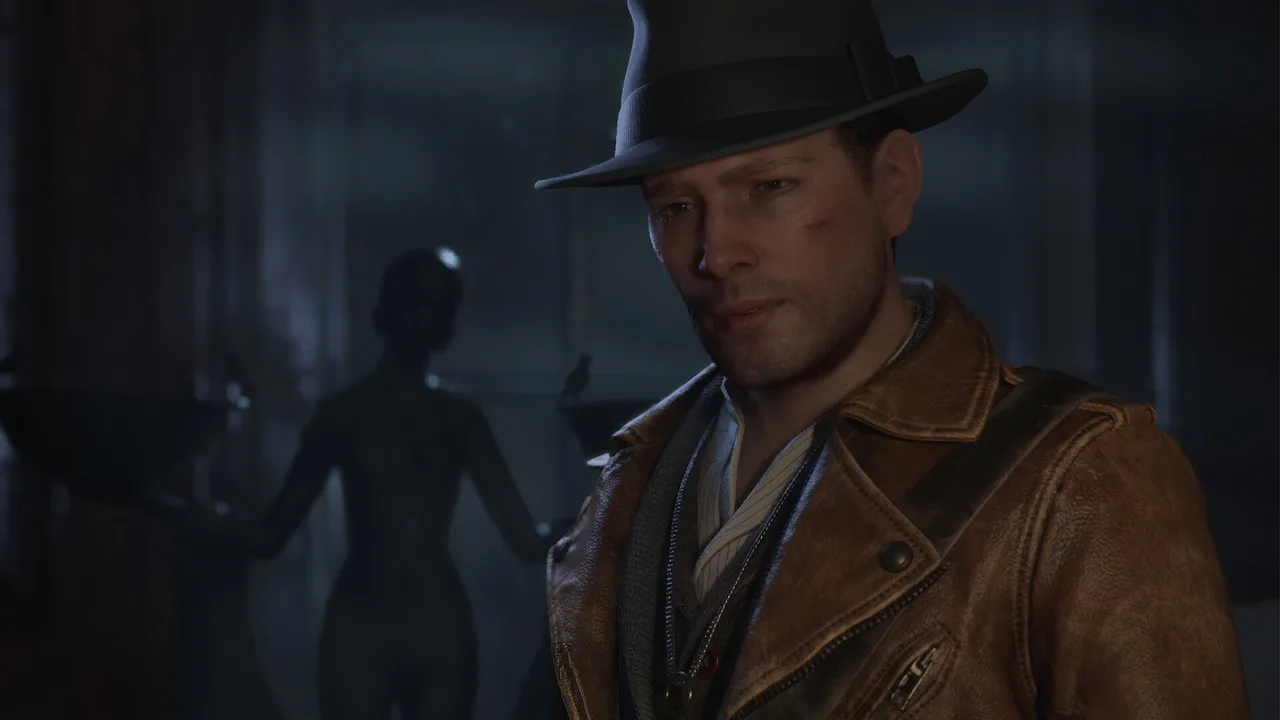
Short answer: no. The Sinking City 2 is a standalone game. Different protagonist, different city, different genre emphasis. You can start here without missing anything critical.
But there’s more to it than that, and if you’re the kind of person who likes knowing the full picture before jumping into a sequel, keep reading. We’ll cover what connects the two games, what’s radically different, and what you actually need to know about Lovecraft’s mythology to feel grounded in Arkham.
It’s a New Story in a New City
The original Sinking City was set in Oakmont — a fictional coastal city loosely inspired by Lovecraft’s Innsmouth. You played Charles Reed, a war veteran and private detective investigating supernatural events tied to the city’s flooding and its Deep One-adjacent population.
The Sinking City 2 moves to Arkham, Massachusetts — arguably the most iconic city in Lovecraft’s mythology, home to Miskatonic University and a long history of cosmic horror. The protagonist is new. The story is new. The premise — rescuing a loved one from eldritch forces — has no direct narrative connection to Reed’s investigation in Oakmont.
Think of it like the relationship between different entries in the Resident Evil series. Shared mythology, shared thematic DNA, but a self-contained narrative you can follow without homework.
What Changed Between Games (and Why It Matters)
The genre shift is the biggest difference, and it’s worth understanding even if you never touched the first game.
The original Sinking City was an open-world detective game. You drove around Oakmont, collected cases, examined crime scenes, placed pins on a map, cross-referenced clues, and deduced solutions. The horror was present — hallucinations, monsters, a creeping wrongness — but the core loop was investigative. You spent more time thinking than fighting.
The Sinking City 2 is a survival horror game. Combat, resource management, and moment-to-moment tension are the backbone. You still have an investigation system, but it’s optional — a rewarding layer for players who want it, never a gate that blocks progress. The rhythm is completely different. You’re not cruising around a city collecting case files. You’re scrounging for ammunition in the dark while something moves in the water outside.
Here’s a side-by-side to make the shift concrete:
| Aspect | The Sinking City (2019) | The Sinking City 2 (2026) |
|---|---|---|
| Genre | Open-world detective | Survival horror |
| City | Oakmont | Arkham, Massachusetts |
| Time period | 1920s | 1920s |
| Protagonist | Charles Reed (PI) | New character |
| Core loop | Investigate cases, deduce solutions | Survive, explore, rescue a loved one |
| Investigation | Central mechanic | Optional, rewarding but not required |
| Combat | Present but secondary | Core system, scarce resources |
| Travel | On foot and by boat | By boat between districts, on foot within |
| Engine | Unreal Engine 4 | Unreal Engine 5 |
If you played the first game and loved the detective work, the investigation system is still here — it’s just not the main event anymore. If you bounced off the first game because the combat felt clunky or the open world felt empty, the sequel has addressed both of those issues head-on.
The Lovecraftian Connections
Both games swim in the same mythological waters, and that’s where the connection runs deepest. Even without a shared plot, they share a universe shaped by H.P. Lovecraft’s cosmic horror fiction. A few things carry over thematically:
Deep Ones appear in both games. These amphibious creatures — half-human, half-something aquatic and ancient — are a Lovecraft staple, and they’re a significant enemy type in the sequel. If you fought them in Oakmont, you’ll recognize them in Arkham, though Frogwares has clearly redesigned them with UE5’s capabilities. Our Deep Ones bestiary page covers what we know about their sequel incarnation.
The flood is central to both games. Oakmont was flooding. Arkham is flooded. The supernatural inundation is a shared motif, likely connected to the same cosmic forces (the Cthulhu Mythos is full of oceanic apocalypse imagery). But the sequel’s flood is more severe and more mechanically integrated — water levels shift dynamically, and boat travel is your primary way of moving between Arkham’s districts.
Sanity and cosmic dread thread through both games. The first game had a sanity mechanic that affected gameplay when you encountered supernatural events. The sequel appears to have a similar system, described in previews as “mind pressure” that escalates as the horror intensifies.
None of this requires prior knowledge. The game introduces its world and its threats organically. You don’t need to know what a Deep One is before one lunges at you from the dark water — the game will make the introduction memorable enough.
What About Lovecraft? Do I Need to Read the Stories?
Not at all. But if you’re curious, a little background makes the setting richer.
H.P. Lovecraft was an early 20th-century horror writer who created a fictional mythology — often called the Cthulhu Mythos — centered on the idea that the universe is indifferent to humanity, populated by ancient beings whose very existence is incomprehensible. His stories are set in a fictionalized version of New England, with recurring locations like Arkham, Innsmouth, Dunwich, and Kingsport.
The Sinking City 2 borrows liberally from this mythology. Arkham is Lovecraft’s most frequently used city. The Deep Ones come from “The Shadow over Innsmouth.” The cosmic dread, the cults, the creeping madness — all Lovecraft DNA.
But Frogwares isn’t making a Lovecraft adaptation. They’re making a survival horror game that uses Lovecraft’s mythology as a foundation. You’ll understand everything you need to from the game itself. The references are seasoning, not prerequisites.
If you do want to read something before playing, “The Shadow over Innsmouth” is the most directly relevant story — it’s about a coastal town transformed by its worship of aquatic beings, and it’s only about 50 pages. “The Call of Cthulhu” is the famous one, but it’s less directly connected to the game’s premise.
What Returning Players Get
If you did play the first game, you’re not walking in with a mechanical advantage, but you do get some contextual richness:
- Genre literacy. You already know what Frogwares means by “investigation system,” and you’ll appreciate how it’s been redesigned as optional rather than mandatory. The investigation board works differently now, but the DNA is familiar.
- Mythological grounding. Deep Ones, sanity effects, the relationship between water and cosmic corruption — these won’t need introduction. You’ll be reading the environment fluently from the start.
- Appreciation for the leap. The jump from UE4 to UE5, from open-world detective work to tight survival horror, from Oakmont’s sometimes-empty streets to Arkham’s dense, flooded claustrophobia — it hits harder when you have the comparison.
But none of that is necessary. The sequel is designed to welcome new players.
The Bottom Line for Newcomers
You’re fine. Jump in.
The Sinking City 2 is built from the ground up as an entry point. New city, new character, new story, new genre emphasis. Lovecraft knowledge is a bonus, not a requirement. First-game experience gives you context, not plot-critical information.
If you want to get a feel for the game before launch, the free prologue demo on Steam is the best way to do that. It’s a genuine slice of the opening — not a curated showcase — and it’ll tell you more about whether this game is for you than any summary of the first game could.
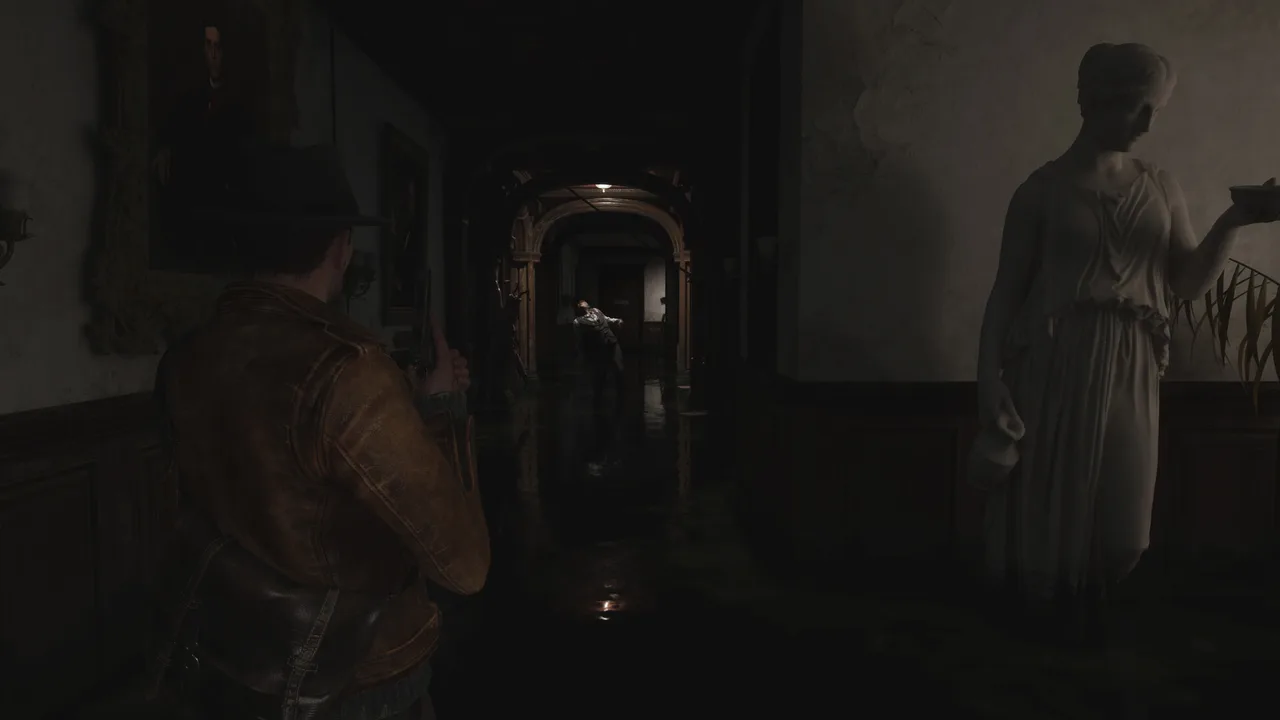
For the full rundown on what to expect from the sequel, our everything we know hub covers gameplay, story, enemies, and more. And if you want practical info on launch details, the release date and platforms guide has you covered.
Welcome to Arkham. The water’s already rising.
Frequently asked questions
Is The Sinking City 2 a direct sequel?
Not in the traditional sense. It features a new protagonist, a different city (Arkham instead of Oakmont), and a standalone story. You don't need to have played the first game.
What genre was the first Sinking City?
The original was an open-world detective game with Lovecraftian horror elements. The sequel has shifted to survival horror with an optional investigation system.
Do I need to know Lovecraft to enjoy The Sinking City 2?
No. The game stands on its own as a survival horror experience. Lovecraft familiarity adds flavor and context, but everything you need to understand the story is in the game itself.