Best Early Upgrades in The Sinking City 2
Which upgrades and builds to prioritize first in The Sinking City 2. Stretch your ammo, survive longer, and make the early hours of Arkham less brutal.
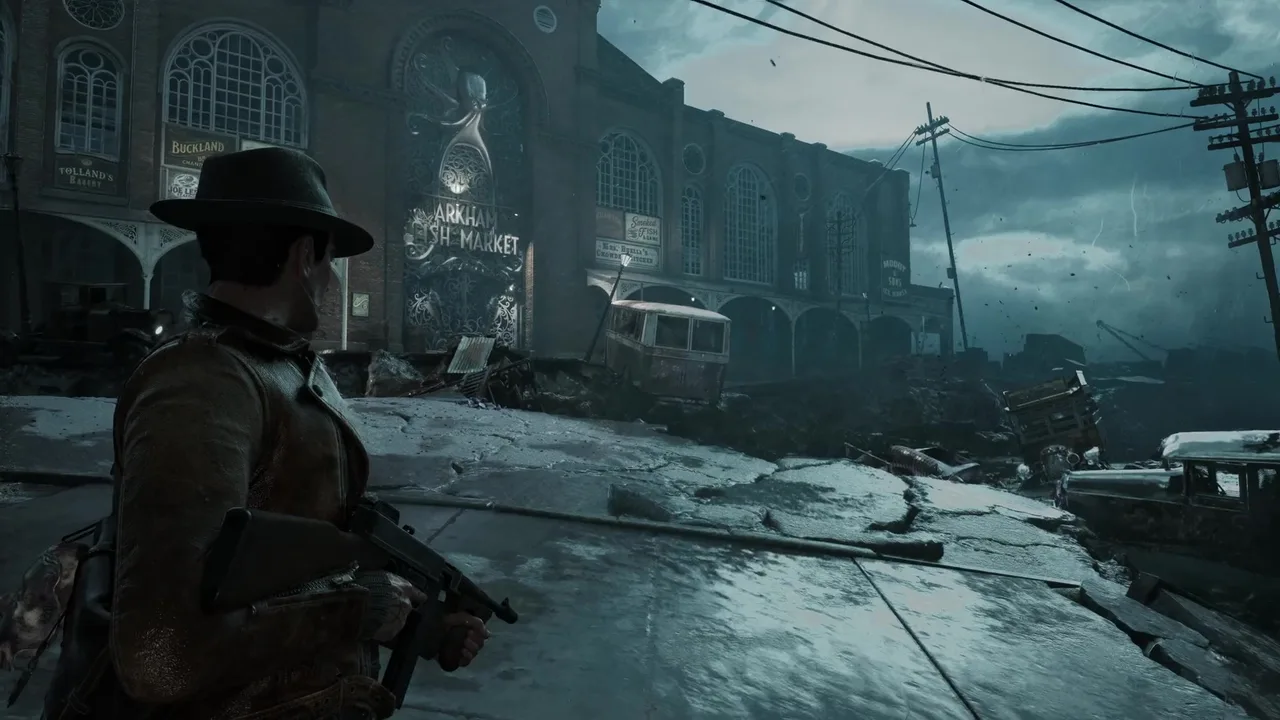
The first two hours of The Sinking City 2 are going to kill you. Not because the enemies are unfairly tough — they’re learnable — but because you don’t have anything yet. Your gun holds six rounds and you have maybe twelve more. Your health disappears in two hits. Your inventory is tiny. You’re underprepared, under-equipped, and Arkham doesn’t care.
That’s by design. Survival horror lives in the gap between what you need and what you have, and the character progression system is how you slowly close that gap. The upgrades you pick in those opening hours determine whether the mid-game feels manageable or miserable. Choose well and the difficulty curve flattens just enough. Choose poorly and you’ll be scrounging for revolver rounds in chapter four while wishing you’d invested differently.
Here’s what to prioritize, what to skip, and why — based on the demo, survival horror conventions, and what Frogwares has shown of the upgrade system.
How Upgrades Work (What We Know)
Frogwares hasn’t published a full upgrade tree, so everything here is based on the demo’s hints and the studio’s public comments about build customization. Here’s the framework as we understand it:
- Upgrade resources come from exploration, combat rewards, and the optional investigation system. Investigating clues and solving puzzles apparently rewards you with upgrade materials you can’t get from combat alone — a strong incentive to engage with that system even if you’re focused on action.
- Build customization lets you develop your character along different paths. The demo suggested categories that roughly map to combat effectiveness, resource management, and investigative ability.
- Upgrades appear to be incremental — small percentage improvements or capacity increases rather than transformative new abilities. This is consistent with survival horror design where feeling slightly less desperate is a reward in itself.
Until we have the full game, treat the specific upgrade names below as educated projections based on what the demo and genre conventions suggest. The priorities should hold regardless of exact naming.
Tier 1: Upgrade These First
These are the upgrades that pay for themselves almost immediately. Every hour you play without them is an hour harder than it needs to be.
Ammo Efficiency / Damage Per Shot
Whatever the game calls it — damage output, weapon handling, bullet efficiency — any upgrade that increases the damage you deal per bullet is the single most valuable early investment. Here’s why:
A typical Slither might take four body shots to kill with a base-level revolver. An ammo efficiency upgrade that bumps your damage by even 15-20% might drop that to three shots. Over a dozen Slither encounters, that’s twelve bullets saved — practically a full resupply. Against tougher enemies like Deep Ones, the savings scale even higher.
This upgrade multiplies everything else you do. Better weak-point damage, faster kills, fewer resources burned per encounter. It makes your ammo stretch further, your health last longer (fights end faster, so you take fewer hits), and your overall survival odds jump.
Inventory Capacity
Survival horror is, at its core, an inventory management game. You’re constantly choosing what to carry and what to leave behind. Early inventory upgrades mean:
- More ammo in your pockets. Hitting your ammo cap means every round you find after that is wasted. Expanding capacity means less waste.
- More healing items. Being able to carry an extra bandage or medical kit is the difference between surviving a bad encounter and reloading a save.
- More crafting components. If the game follows the demo’s hints about crafting ammunition and consumables, carrying more raw materials means more opportunities to craft when you find a workbench.
An extra two or three inventory slots in the first hour will save you from painful decisions for the rest of the game. This is one of those upgrades that feels unsexy but fundamentally changes your quality of life.
Weak-Point Damage Bonus
Separate from general damage output, this upgrade specifically increases the bonus damage you deal when hitting an enemy’s weak point. If this exists as a distinct upgrade category — and the demo suggested it does — it amplifies the skill-based reward loop at the heart of TSC2’s combat.
The logic is straightforward: you’re already aiming for weak points because the combat guide told you to (and because body shots are wasteful). Making those precision shots even more effective means cleaner kills, more staggers, and less ammo spent per encounter. This upgrade rewards good play and makes every well-aimed shot count for more.
Tier 2: Upgrade These Next
Once your core damage and capacity are improved, these upgrades address survivability and mobility.
Health / Durability
More health means more margin for error. In the early game, when you’re still learning enemy patterns and timing your dodges poorly, extra health is a buffer against death. But notice this is Tier 2, not Tier 1. Here’s why:
- Health only matters when you get hit. Damage and ammo efficiency reduce how often you get hit (fights end faster), which makes health less critical.
- Healing items are scarce. More health doesn’t help if you can’t heal back to full. It just means you survive one extra hit before you’re in the same desperate position.
- In survival horror, offense-as-defense is almost always more efficient than raw durability.
That said, once your damage output is solid, a health upgrade or two provides important cushion for the encounters where dodging isn’t enough — fighting multiple Slithers in a tight space, getting ambushed by a Deep One from below, or taking a hit during a boss fight.
Stamina / Dodge Efficiency
If the demo’s stamina system carries into the full game, stamina governs how many times you can dodge before you’re locked into animations and how far you can sprint before slowing down. Better stamina means:
- More dodges per encounter. Against fast enemies like Deep Ones, one extra dodge can save your life.
- Longer sprints. When you’ve decided to flee rather than fight — and you will, often — sprint distance determines whether you make it to safety or get caught in the open.
- Better melee sustainability. If melee attacks also consume stamina (common in survival horror), more stamina means more swings before you’re exhausted.
This pairs naturally with the Tier 1 damage upgrades. Better damage means fights are shorter, and better stamina means you can dodge and sprint through the fights that do happen.
Reload Speed
A small upgrade with an outsized effect. Reloading in the middle of a fight is one of the most dangerous moments in any survival horror game — you’re locked into an animation, unable to dodge or attack, and enemies don’t politely wait.
Faster reloads shrink that vulnerability window. Against groups of enemies, the difference between a two-second and a one-and-a-half-second reload is potentially a full dodge window you gain back. It’s a quality-of-life upgrade that compounds over every single combat encounter in the game.
Tier 3: Nice to Have, But Not Urgent
These upgrades are valuable in the long run but don’t need to be early priorities.
Investigation Upgrades
The optional investigation mechanics in TSC2 reward players who explore, gather clues, and solve environmental puzzles. Investigation upgrades might improve your ability to find hidden items, spot clues more easily, or unlock alternate routes that bypass dangerous combat encounters.
These are legitimately useful — alternate routes mean fewer fights, which means fewer resources spent. But they don’t address the core early-game problem of being under-equipped for the fights you can’t avoid. Invest here in the mid-game once your combat fundamentals are covered.
The exception: if an investigation upgrade directly grants bonus resources (more crafting materials from investigation, for instance), it’s worth considering earlier. Resource income is always valuable.
Flashlight / Detection Improvements
Your flashlight reveals weak points and enemy positions in dark areas. Upgrades that improve its range, brightness, or battery life are useful but not critical in the opening hours when most encounters happen in semi-lit areas. As the game gets darker — and it will — these become more important.
Crafting Efficiency
If upgrading crafting yields more output per component — three bullets from the same materials instead of two, for instance — it’s effectively an ammo increase. This is valuable, but it depends on finding crafting stations and having components, both of which are more common in the mid-game. Early on, you’re using what you find more than what you craft.
Upgrade Path Summary
Here’s the priority order distilled into a reference table:
| Priority | Upgrade Category | Why |
|---|---|---|
| 1st | Ammo efficiency / Damage output | Every bullet does more; fewer resources per kill |
| 2nd | Inventory capacity | Carry more of everything; less waste |
| 3rd | Weak-point damage bonus | Amplifies precision shooting rewards |
| 4th | Health / Durability | Error margin for learning enemy patterns |
| 5th | Stamina / Dodge | More dodges, longer sprints, melee sustainability |
| 6th | Reload speed | Shorter vulnerability windows |
| 7th | Investigation tools | Alternate routes, bonus resources |
| 8th | Flashlight / Detection | More useful as the game gets darker |
| 9th | Crafting efficiency | Better returns once crafting is available regularly |
Build Archetypes
While we don’t have the full upgrade tree, the demo and Frogwares’ comments about build customization suggest a few viable approaches to character development. These aren’t rigid classes — think of them as emphasis directions.
The Scavenger (Resource Efficiency)
Maximizes inventory space, ammo efficiency, and crafting output. This build is about stretching every resource as far as possible. You fight less, carry more, and make every bullet count. Best for players who enjoy exploration and resource management over combat.
Early priorities: Inventory capacity, ammo efficiency, crafting improvements.
The Marksman (Combat Precision)
Doubles down on damage output, weak-point bonuses, and reload speed. Fights are short and decisive. You spend more ammo per encounter but kill faster, taking less damage in return. Best for players with good aim who enjoy the combat system.
Early priorities: Damage output, weak-point damage, reload speed, stamina for dodging.
The Investigator (Knowledge Is Power)
Leans into the investigation system for alternate routes, bonus resources, and lore. This build avoids fights where possible and uses the investigation mechanics to find paths that combat-focused players miss entirely. The most resource-efficient approach if you engage with the puzzle systems.
Early priorities: Investigation upgrades, inventory capacity, then combat basics as a safety net.
Most players will probably land somewhere between the Scavenger and the Marksman, with Investigation upgrades sprinkled in as available. The point isn’t to lock yourself into a single path — it’s to know what the early priorities are so your first few upgrade decisions aren’t wasted.
Common Early-Game Mistakes
Investing in health before damage. It feels safe, but it’s a trap. More health just means you survive longer while still burning through ammo at the same rate. Fix your damage output first.
Ignoring inventory upgrades. It’s boring. Nobody gets excited about carrying one extra stack of pistol ammo. But it compounds silently over every single play session, and by mid-game, the inventory difference between an upgraded and non-upgraded character is enormous.
Spreading upgrades too thin. If the system has multiple branches, resist the urge to put one point into everything. Depth in one or two categories early is better than shallow coverage across five. A character who’s mediocre at everything is worse than one who’s excellent at two things and learns the rest later.
Skipping the investigation system. The demo made it clear that investigation rewards include upgrade materials you can’t get from combat. Even if you don’t enjoy puzzles, the resource payoff makes investigation worth engaging with — especially early, when every component matters.
For weapon-specific upgrade paths and stats, check the arsenal once the full game launches and we can document exact values. For the combat fundamentals that make all these upgrades matter, see our complete combat guide.
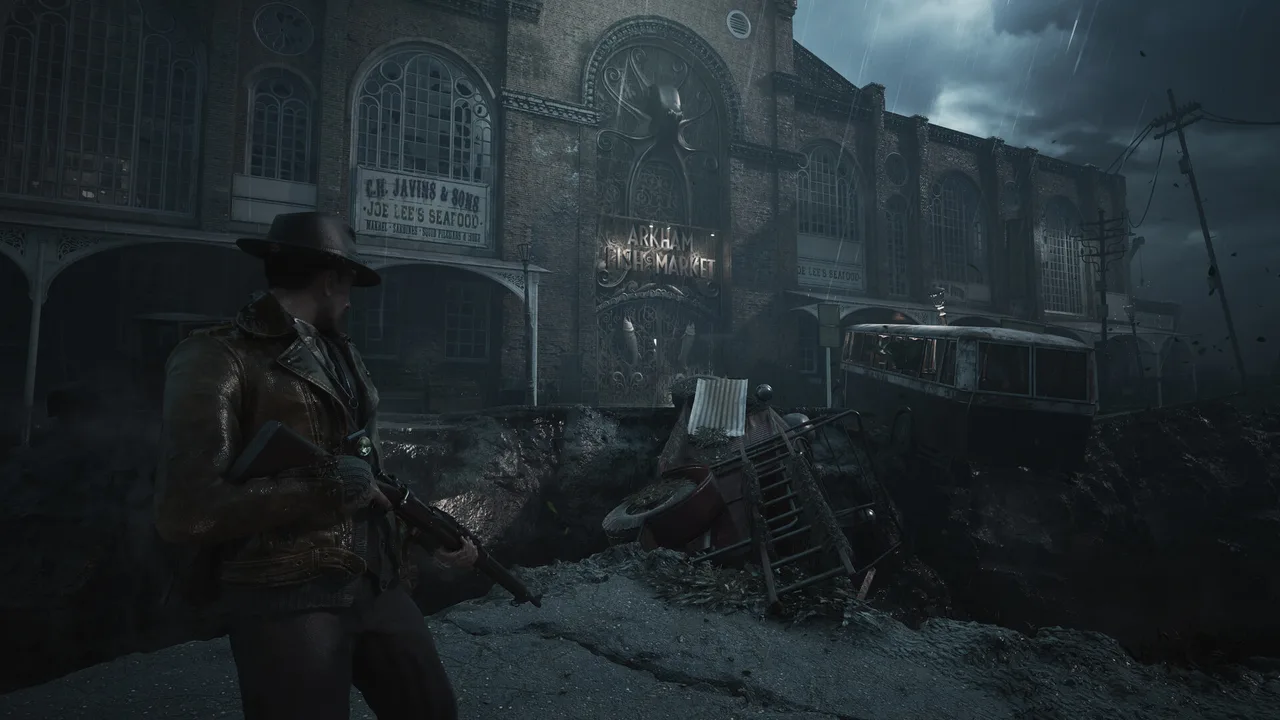
The first hours in Arkham are the hardest — not because the enemies are the toughest, but because you’ve got nothing. Every upgrade you pick in those opening chapters is buying yourself breathing room for the horrors ahead. Choose the ones that compound. Choose the ones that make every bullet, every dodge, every second count for more. The water’s rising, and you need to be ready before it does.
Frequently asked questions
What should I upgrade first in The Sinking City 2?
Prioritize ammo efficiency and inventory capacity first, then health and stamina. Early upgrades that let you carry more resources and get more damage per bullet have the biggest impact on survival in the opening hours.
Are there different builds in The Sinking City 2?
Yes — The Sinking City 2 features build customization. While full details aren't confirmed yet, the demo suggests you can lean toward combat proficiency, resource efficiency, or investigation-focused paths depending on your playstyle.
Can you respec upgrades in The Sinking City 2?
Frogwares hasn't confirmed whether respeccing is available. Based on survival horror conventions, early upgrade choices may be permanent or costly to reverse, so choose carefully.