Cultists
Human Worshippers
Cultists in The Sinking City 2 are human worshippers of the eldritch. Lore, encounter tactics, investigation ties, and combat weak points.
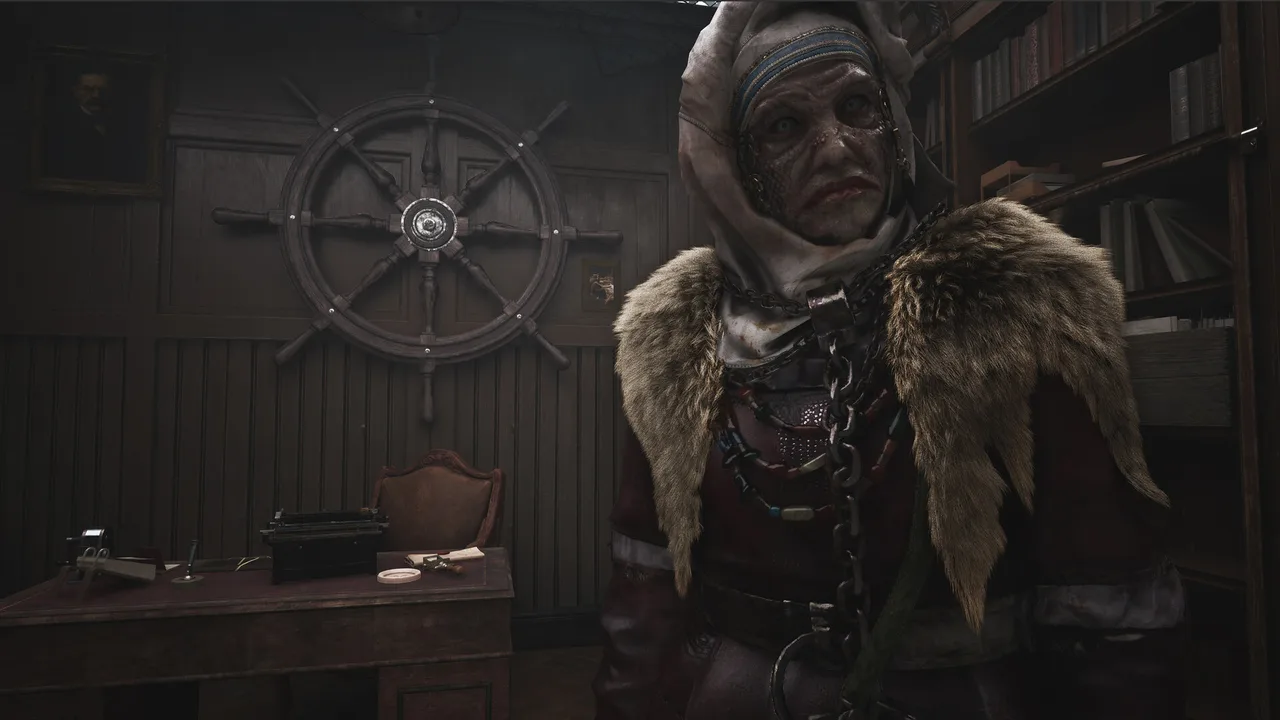
Not everything trying to kill you in Arkham crawled out of the water. Some of it goes to church.
You can’t have a Lovecraftian horror story without a cult, and you especially can’t have one set in Arkham without it. While Frogwares hasn’t explicitly named a cult faction, the architecture is all there: a drowned city, eldritch forces, a population desperate enough to worship anything that promises salvation. Cultists are as inevitable in TSC2 as the floodwater itself.
What makes them interesting — and more dangerous than they might sound — is that they’re human. They think. They plan. They use guns.
Lore
Every Lovecraft story features people who decided to side with the cosmic horror rather than against it. In Arkham’s case, the flood probably accelerated that process considerably. When your city drowns overnight and things start crawling out of the water, some people fight. Some people run. And some people kneel.
The cult (or cults — there may be multiple factions) likely worships one of the traditional Lovecraftian entities: Dagon, Cthulhu, Hydra, or something original to TSC2’s lore. Their relationship with the Deep Ones is probably symbiotic — in Lovecraft’s fiction, human cults and Deep Ones have a long, uncomfortable history of cooperation and interbreeding. Expect to find cult hideouts near water, decorated with the same maritime iconography the Deep Ones are associated with.
What’s particularly compelling about cultists in a survival horror context is the ambiguity. Not every cultist is a robed fanatic waving a sacrificial dagger. Some are your neighbors. The bartender at the speakeasy. The nurse at the hospital. The man offering to sell you supplies. TSC2’s investigation system seems designed to peel back exactly these layers — identifying who in Arkham is working against you isn’t always a matter of who’s shooting at you.
The first game had a cult faction (the Esoteric Order of Dagon), and while TSC2 is a standalone story, Frogwares will likely draw on that template: a structured organization with ranking members, a hidden temple or meeting place, and tendrils (metaphorical ones) reaching into Arkham’s institutions.
Behaviour
Cultists fight like humans because they are humans. That means they’re simultaneously more predictable and more tactically sophisticated than any creature in the bestiary.
They use cover. They flank. Some carry firearms — expect pistols, shotguns, and maybe hunting rifles. Others rush with melee weapons: knives, hatchets, clubs, ceremonial blades. In group encounters, you’ll face both types simultaneously: shooters pinning you down while melee attackers close the gap.
Their intelligence is the real threat. A group of Drowned shambles at you in a straight line. Cultists set ambushes. They wait behind doors, position shooters at elevated points, and attack from directions you weren’t watching. They’re the enemy that punishes you for not checking corners.
Some cultists may be enhanced — partially transformed by eldritch influence, tougher than a normal human, or exhibiting minor unnatural abilities. Lovecraft’s Innsmouth residents were gradually transforming into Deep Ones over generations, and TSC2 might play with that concept. A cultist who takes three headshots to drop isn’t a bullet sponge for the sake of difficulty — they’re something that’s not quite human anymore.
The investigation tie-in adds a layer no other enemy type has. Through the investigation system, you might discover a cult ambush before walking into it. You might find a journal identifying a cult leader whose elimination disrupts an entire encounter. You might even find a way to pit cult factions against each other, if multiple groups exist. The investigation system “never hard-gates progress,” but the intelligence it provides against cultists might be the most tactically valuable reward in the game.
How to fight it
They’re human. Headshots kill them. This is both the good news and the guiding principle.
Prioritize the shooters. A cultist with a gun can damage you from across a room; a cultist with a knife has to reach you first. When you enter a cult encounter, scan for ranged threats first, drop them, then deal with the melee rushers.
Use cover aggressively. Cultists are the enemy type most likely to make you play TSC2 like a cover shooter, ducking behind pillars, leaning around corners, timing your shots between their volleys. The environment matters more in cultist fights than in any creature encounter.
Stealth is viable and possibly encouraged. If the investigation system reveals a cult hideout’s layout, you might be able to sneak through, taking out sentries quietly or bypassing the encounter entirely. Frogwares has mentioned that combat is never the only option — cultist encounters seem like the most natural place for that design philosophy.
Melee against cultists is riskier than against creatures because they can block and counter. A Drowned will stand there and take a hit. A cultist might dodge and stab you back. Save melee for isolated cultists you’ve caught off guard, or when you’re genuinely out of ammunition.
Looting cultist bodies is likely more rewarding than looting creature corpses. They carry human equipment — ammunition, healing items, keys, documents. Every cultist encounter is also a resupply opportunity, which makes them a net-positive engagement if you fight efficiently.
Where you’ll meet it
Hidden temples and ritual sites are the obvious set-pieces, but cultists will probably show up in more mundane locations too. Speakeasies in Old Town, boarding houses, the back rooms of businesses that serve as fronts. Part of the horror is finding cult activity in places that should be safe — a church basement with an altar to Dagon, a hospital ward where the staff has been… recruiting.
The investigation system likely leads you to cult encounters organically. Follow a thread of clues about missing persons, and it ends at a cult hideout. Investigate a suspicious NPC, and you discover they’ve been funneling supplies to a hidden temple. The cult is woven into Arkham’s remaining social fabric, and pulling those threads is how you find them.
Expect cult encounters throughout the game, but especially in the mid-to-late game as the story escalates and the true scope of the cult’s activities becomes clear. Early hints — a symbol scratched into a wall, a body with ritual scarring — will likely precede your first direct confrontation by several hours of gameplay.