The Drowned
Waterlogged Shambler
The Drowned are waterlogged, shambling dead in The Sinking City 2. Slow but numerous — here's their lore, weak points, and how to handle them.
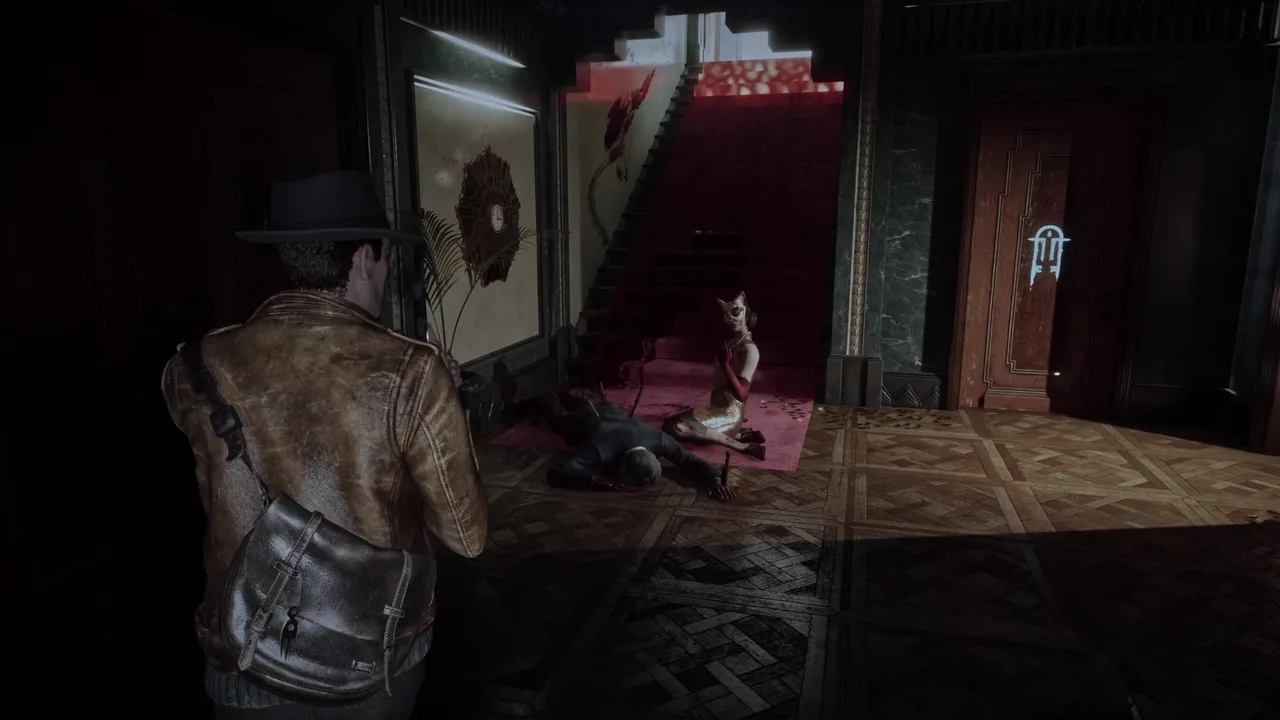
They come up from the basements when the tide rises. Always more of them than you expect.
Every survival horror game set near water needs a drowned corpse that gets back up. The Drowned aren’t officially named by Frogwares yet, but given that TSC2 takes place in a city literally swallowed by a supernatural flood, this archetype is about as safe a bet as they come. Expect bloated, waterlogged humanoids that emerge from the tide line and shamble toward you in numbers.
They’re the lowest rung on Arkham’s threat ladder — slow, predictable, and individually weak. But “individually” is doing a lot of heavy lifting in that sentence.
Lore
Arkham’s flood killed thousands. Not everyone who drowned stayed down.
Where the Slither represents something inhabiting a corpse, the Drowned are simpler — bodies reanimated by the sheer eldritch contamination of the floodwater itself. No visible parasite, no tendril, just dead tissue that moves because the water told it to. Think of them as a symptom of how deeply wrong Arkham’s flood is. Normal floods leave behind ruin. This flood leaves behind things that walk.
Their appearance reflects their origin. Bloated, discolored skin. Waterlogged clothing hanging in tatters. Movements that are sluggish and labored, as if they’re still fighting against a current that isn’t there. Some might trail water behind them, leaving wet footprints even in dry corridors — a detail that would serve as both atmosphere and an early-warning system.
The horror of the Drowned isn’t in any single encounter. It’s in the implication: every body the flood touched is a potential Drowned. Arkham’s population was substantial before the disaster. Do the math on how many corpses that floodwater has access to, and you start to understand why ammunition is scarce.
Behaviour
Slow. That’s the defining characteristic, and it’s both their weakness and, paradoxically, part of what makes them dangerous.
The Drowned move at a deliberate shamble. No sudden lunges like the Slither, no bursts of speed. They see you (or sense you — whether they actually “see” anything is unclear) and they walk toward you. If they reach you, they grab, claw, and bite. Basic reanimated-corpse behavior.
Where it gets complicated is when there are six of them.
The Drowned appear in groups. Not pairs, not trios — groups. They emerge from flooded stairwells, rise out of shallow water in basements, step out of side rooms you thought were empty. Each one is a non-threat individually. Together, they form a wall of rotting flesh that blocks corridors, corners you against walls, and consumes your ammo at a rate you can’t sustain.
They also seem to function as a “holding” threat. A Drowned that grabs you doesn’t deal much damage on its own, but it pins you in place — and if there’s a Slither or something worse nearby, that grab is a death sentence. In mixed encounters, the Drowned are the setup. Other enemies are the punchline.
The tidal connection is worth noting. Preview materials suggest that water levels in TSC2 shift dynamically. When the tide rises, expect more Drowned. Areas that were safe at low tide become spawn points when the water creeps up. This ties directly into the game’s flood mechanics — paying attention to water levels isn’t just about navigation, it’s about threat assessment.
How to fight it
Good news: their heads work the normal way. A headshot drops a Drowned efficiently — one pistol round, maybe two with lower-tier weapons. They don’t have the Slither’s tendril-based gimmick. Aim for the head, pull the trigger, move on.
The real skill is resource management. You can headshot every Drowned you see. You shouldn’t, because there are always more, and your ammo reserves have a ceiling.
Here’s a better approach: run past them when you can. They’re too slow to catch you in open spaces. If you’re crossing a flooded courtyard and see three Drowned between you and the far door, you can sprint past them without firing a shot. Save your bullets for enemies that are actually fast enough to force a fight.
When you can’t run — tight corridors, rooms with a single exit, or encounters where they’re mixed with faster enemies — then fight smart. Melee works surprisingly well against the Drowned because their attacks are so telegraphed. A single melee strike followed by a step back resets the engagement. You can chain this against individual Drowned indefinitely without spending ammo.
The danger moment is getting grabbed. If a Drowned grabs you, there’s likely a button-mash or timed-input escape mechanic. Fail it, and you’re held in place while others close in. The counter is spatial awareness: always know where the exit is, and don’t let yourself get surrounded. Doorways are chokepoints — use them to funnel groups into a line so you only face one at a time.
For large groups, a throwable into the cluster is worth the inventory cost. Anything with area damage turns a crowd of Drowned into a non-issue.
Where you’ll meet it
Everywhere the water touches, which in Arkham is most places. Flooded basements are the classic spawn point — you descend a stairwell, the water is ankle-deep, and shapes start rising from it. Tidal zones along the harbor are another hotspot, especially during high-tide cycles.
Residential areas hit hard by the flood will be thick with them. Think apartment blocks where entire floors are submerged, with Drowned drifting through hallways like sleepwalkers. Industrial waterfront areas — warehouses, fish markets, docks — are another natural fit.
The Drowned are likely the first enemy type you’ll encounter in the game. They’re the tutorial threat, the one that teaches you basic combat before TSC2 starts layering in faster, smarter, and stranger things. Don’t disrespect them because of that. In Arkham, even the weakest dead can kill you if you stop paying attention.