The Sinking City 2 Drops Updated Demo and Accolades Trailer Amid 'Lovecraft Fatigue' Debate
Frogwares releases an updated demo for The Sinking City 2 featuring the massive 1.1.0 combat rebalance, PS5 Pro PSSR enhancements, and ignites community discussions on cosmic horror mechanics.
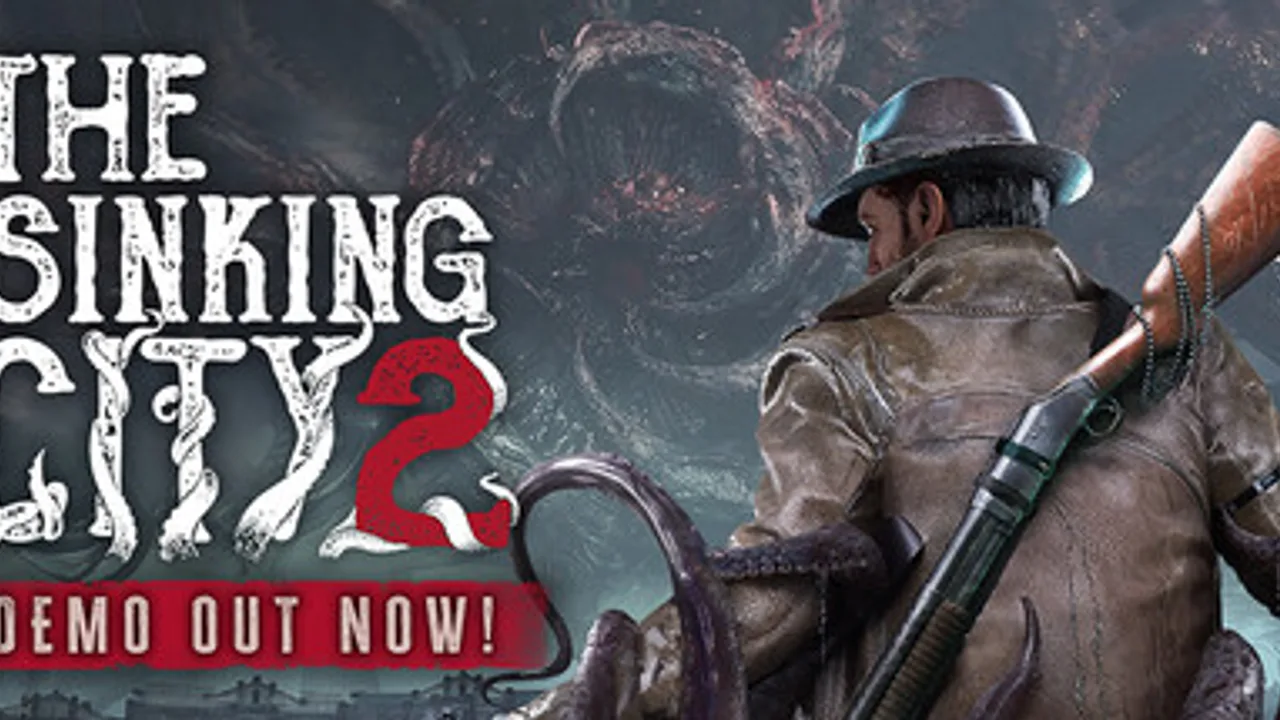
Nearly two months after its highly anticipated August 18 release, The Sinking City 2 continues to evolve. Developer Frogwares has just released a brand-new accolades trailer celebrating the game’s critical reception, but more importantly, they have quietly dropped an updated demo across PC and consoles. This is not the same vertical slice players experienced during the Steam Next Fest earlier this summer; this new trial version comes packed with the extensive combat rebalances and technical overhauls introduced in the massive 1.1.0 update.
As players return to the flooded streets of Arkham to test out these new mechanics, a broader philosophical debate is brewing within the survival horror community. Has the shift from the investigative open-world of the 2019 original to a strict, resource-starved survival horror structure saved the franchise, or is the genre suffering from “Lovecraft fatigue”?
A Refined Return to Drowned Arkham
When players launch the newly updated demo, they are immediately thrust into the oppressive atmosphere of drowned Arkham. The Unreal Engine 5 rendering of the floodwaters is technically impressive, but it serves a dire mechanical purpose. Navigating the submerged streets requires utilizing small, fragile boats, leaving the protagonist exposed to aquatic horrors that lurk just beneath the surface. Resources are painfully scarce. Every bullet found in a rotting desk drawer feels vital, and every healing item is a lifeline.
The sanity system, a returning feature from the original game set in Oakmont, has been retuned to perfectly fit the survival horror framework. Witnessing eldritch atrocities now drains your mental state rapidly, causing auditory hallucinations and visual distortions that make aiming difficult. The demo effectively communicates that this is not a detective game where you happen to have a gun; this is a desperate fight for survival where every decision and every missed shot matters. For players who were on the fence after hearing mixed reports about the game’s initial difficulty spikes, this new demo serves as the perfect proving ground.
Experiencing the 1.1.0 Combat Rebalance
The 1.1.0 update, recently highlighted by horror outlets like Bloody Disgusting, introduces a much-needed combat rebalance that fundamentally changes the rhythm of encounters. In the initial August release, players frequently encountered scenarios where enemies felt like insurmountable bullet sponges, leading to frustration rather than fear. You can read more about optimal engagement strategies in our combat guide.
Frogwares has reportedly tweaked the stagger thresholds, hit reactions, and health pools of key adversaries to make combat feel more rewarding and tactical. For example, the Deep Ones—the iconic, fish-like monstrosities that ambush players from the murky depths—now react more consistently to high-caliber impacts. If you land a well-placed shotgun blast at close range, the creature will now visibly flinch and stagger backward, opening a brief window for retreat or a follow-up melee strike.
Similarly, the erratic movement patterns of the Slither, a grotesque mass of writhing appendages that relies on unpredictable lunges, have been slightly adjusted. These changes make precision shots with the revolver a viable tactic rather than a complete gamble. This rebalance ensures that the tension comes from the genuine scarcity of resources and the claustrophobic environment, rather than artificially inflated enemy durability.
Technical Triumphs: PS5 Pro PSSR and Ray-Traced Reflections
The visual fidelity of The Sinking City 2 has been a strong point since its successful Kickstarter campaign, largely due to its atmospheric use of Unreal Engine 5. However, the recent 1.1.0 patch pushes the technical boundaries even further, particularly on Sony’s mid-generation console refresh. According to official patch notes from PlayStation Universe, the PS5 Pro version now fully supports PlayStation Spectral Super Resolution (PSSR), an AI-driven upscaling technique that significantly sharpens image quality while maintaining high framerates. PC players were not left behind, receiving official AMD FSR 4.1.1 support.
What the official notes downplayed, however, was immediately noticed by eagle-eyed community members on the r/PS5pro subreddit. Players have reported that the 60 frames-per-second Performance Mode now seemingly includes ray-traced reflections—a feature previously restricted to the 30 frames-per-second Quality Mode.
In a game where half the environment is composed of water, this is a monumental upgrade. Navigating the flooded ruins of the Submerged Quarter at a smooth 60fps, while seeing neon signs, flickering gas lamps, and the horrifying silhouettes of approaching monsters accurately reflected on the rippling surface, drastically enhances the immersion. Combined with the newly improved HDR support, the lighting in Drowned Arkham has never looked more menacing.
The “Resident Evil Clone” Label and Lovecraft Fatigue
Despite the technical triumphs and mechanical improvements, a fascinating philosophical debate has erupted within the survival horror community. On Reddit’s r/survivalhorror, a highly discussed thread recently argued that the genre might need to move away from direct Lovecraft adaptations. The author points out that The Sinking City 2, while mechanically sound, heavily borrows its structure, pacing, and inventory management from modern survival horror classics—often being labeled an “RE2 clone” by both critics and fans.
This shift from the slow-burn, investigative focus of the 2019 original to the frantic, resource-starved corridors of Arkham has divided purists. Some argue that true Lovecraftian horror should focus entirely on the incomprehensible unknown and the inevitable loss of sanity through discovery, rather than managing inventory slots and hoarding shotgun shells. They cite FromSoftware’s Bloodborne as the gold standard for capturing the tone and themes of cosmic horror without relying on the familiar, often overused tropes of Deep Ones and Cthulhu statues. In their eyes, directly fighting the mythos undermines the insignificance of humanity that Lovecraft originally penned.
Conversely, many players and newcomers welcome this intense new direction for Frogwares. They argue that the mythos has always featured desperate protagonists fighting back against physical manifestations of the occult—whether in “The Shadow Over Innsmouth” or tabletop RPGs—and that the rigid, unforgiving mechanics of classic survival horror perfectly encapsulate the feeling of helplessness. When your back is against a damp brick wall, your sanity meter is flashing red, and you only have two bullets left in the chamber, the horror feels incredibly real, regardless of whether the monster is a zombie or an eldritch abomination.
Looking Ahead
Whether you view The Sinking City 2 as the ultimate realization of Lovecraftian survival horror or a heavily inspired genre homage, there is no denying that Frogwares is actively listening to its community. The rapid deployment of the 1.1.0 patch, the combat rebalances, and the immediate support for bleeding-edge hardware like the PS5 Pro demonstrate a commitment to refining the Drowned Arkham experience.
If the initial mixed reports regarding combat difficulty kept you away at launch, the newly updated demo offers a risk-free opportunity to see how much the game has changed. As the studio continues to patch and optimize the experience, The Sinking City 2 is solidifying its place as one of the most intense, visually arresting horror titles of 2026.