The Sinking City 2 Adds HDR10+ Support: How Enhanced Lighting Elevates the Horror of Drowned Arkham
Frogwares' upcoming survival horror sequel will support HDR10+ Gaming. Explore how dynamic lighting and perfect blacks enhance the UE5 visuals of flooded Arkham.
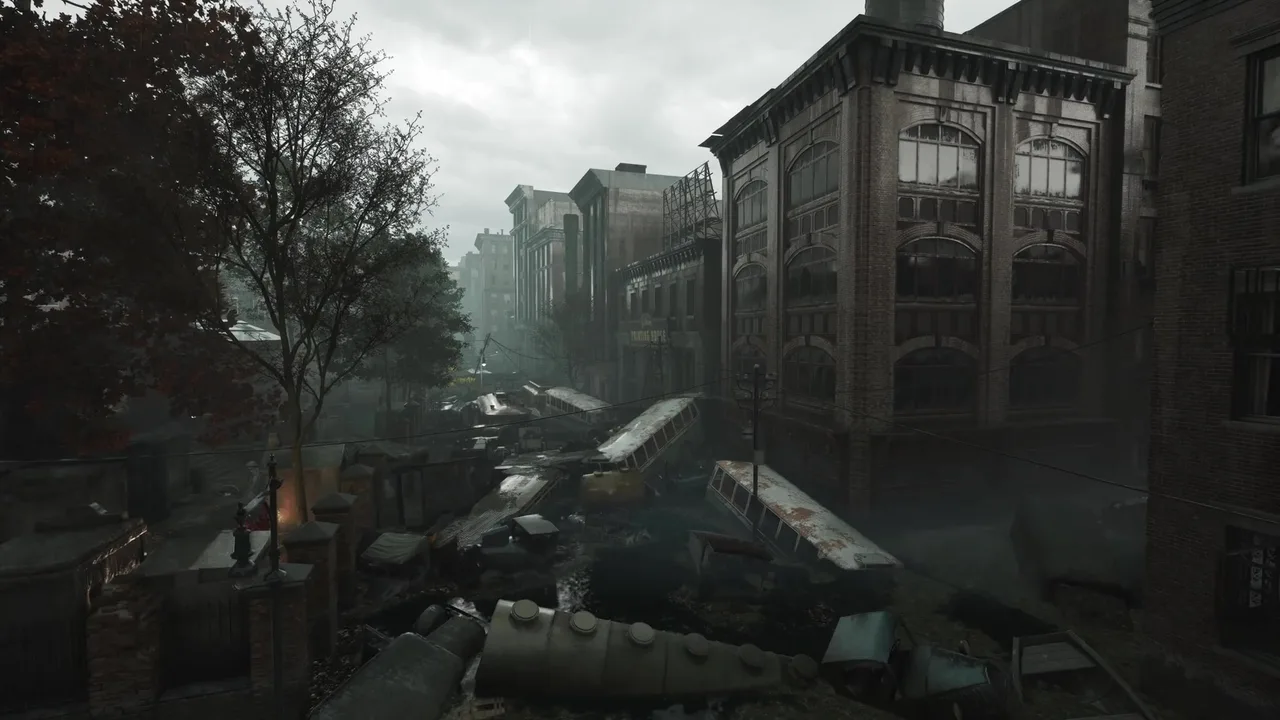
The technological foundation of any modern survival horror experience relies heavily on the interplay between light and darkness. When you are navigating the hostile, flooded streets of a cursed town, what you cannot see is often far more terrifying than what is standing right in front of you. Today, a new technical detail has surfaced regarding Frogwares’ upcoming Lovecraftian nightmare. According to a recent report from Noisy Pixel, The Sinking City 2 will feature official support for HDR10+ Gaming, adding a significant layer of visual fidelity to the Unreal Engine 5 title alongside other upcoming releases like Call of Duty: Modern Warfare 4 and REANIMAL.
This confirmation comes as a welcome piece of technical news for players looking to maximize their visual experience when the game launches on August 18, 2026, for PC, PlayStation 5, and Xbox Series X|S. Transitioning from the detective-focused gameplay of the 2019 original set in Oakmont, the sequel firmly embraces a pure survival horror structure in the infamous city of Arkham. With resources scarce, sanity constantly under threat, and abominations lurking in the deep water, the addition of HDR10+ is not just a graphical luxury—it is a feature that will directly impact how you perceive and survive the dangers of the flooded city.
Understanding HDR10+ in a Lovecraftian Setting
High Dynamic Range (HDR) has been a staple in modern gaming, but HDR10+ Gaming goes a step further by utilizing dynamic metadata. This means the display adjusts brightness, contrast, and color frame-by-frame, rather than applying a single static setting for the entire game. For The Sinking City 2, a game built entirely on Unreal Engine 5, this dynamic adjustment is critical for capturing the chaotic, shifting lighting of a city being actively consumed by supernatural floodwaters.
In the first game, the environment had its fair share of gloomy overcast skies and dark basements, but the sequel’s setting pushes the environmental hostility to new extremes. Players will find themselves transitioning from the glaring, unnatural amber glow of cultist rituals to the suffocating pitch-black interiors of abandoned tenements in a matter of seconds. HDR10+ ensures that the bright highlights—such as the blinding muzzle flash of a shotgun or the sudden spark of a short-circuiting electrical box—do not wash out the surrounding details, while the deepest shadows retain their texture and depth rather than becoming a flat, crushed gray.
This expanded contrast ratio is incredibly important for maintaining tension. When exploring treacherous locations like the Submerged Quarter, where the unpredictable water level dictates your path and the structural integrity of the buildings is rapidly failing, your primary light source is often a simple oil lantern or a quickly dying flare. The dynamic metadata of HDR10+ will allow these localized light sources to cast realistic, piercing beams through the dense fog and absolute darkness, creating harsh, frightening silhouettes without artificially brightening the entire room to compensate for poor screen contrast.
The Psychological Weight of Perfect Shadows
Frogwares has confirmed the return of a dedicated sanity system, and lighting plays an intrinsic role in how mental degradation is visually communicated to the player. As your character’s grip on reality loosens due to the horrors they witness, the environment itself begins to distort. Hallucinations manifest not just as physical entities, but as shifting patterns and impossible geometries in the periphery of your vision. The deep, true blacks achievable with HDR10+ capable displays will make these psychological tricks far more effective and unnerving.
Imagine standing in a flooded corridor where the stagnant water reflects the faint ambient moonlight bleeding through a shattered window. With standard dynamic range, the transition from the illuminated water to the darkest corners of the room might look muddy or washed out. With HDR10+, the water will glint with a sharp, terrifying realism, while the corners remain a rich, impenetrable void. When something moves in that void, the contrast will draw your eye immediately, triggering the primal fear of the unseen that cosmic horror so heavily relies upon.
Furthermore, managing your psychological state requires identifying safe havens or areas bathed in protective light. The stark visual difference between an area corrupted by eldritch influence and a relatively safe, well-lit room will be much more pronounced. This visual clarity helps players make split-second decisions about whether to push forward into the gloom or retreat to preserve their sanity, reinforcing the core mechanics detailed in our survival basics overview.
Spotting the Abominations of Arkham
The transition to a pure survival horror focus means that combat is no longer a secondary activity; it is a desperate, bloody struggle for your life. Ammunition is strictly limited, and every shot needs to count. The enemies that populate the sunken city are meticulously designed to blend into their ruined environment, making them difficult to spot until they are dangerously close. The tension of walking down a flooded street is magnified when you know that a threat could be submerged just inches from your makeshift boat, obscured by the ripples and shadows.
Take the Deep Ones, for example. These amphibious horrors are perfectly adapted to the flooded streets of Arkham. They use the murky water, the floating debris, and the heavy, omnipresent fog to ambush their prey. HDR10+ support will allow the subtle, slimy wet textures of their scales to catch the faint ambient light, potentially giving you a crucial split-second warning before they strike from the depths. The wide color gamut associated with HDR also means that the unnatural, sickly greens, blues, and purples often associated with Lovecraftian biology will pop with a sickly vibrance against the otherwise drab, decaying backdrop of 1920s Massachusetts.
Similarly, dealing with the Slither—a particularly nasty, unpredictable addition to the sequel’s roster of monsters—will test your ability to track erratic movement in low-light conditions. These creatures are known for their chaotic traversal and tendency to cling to the darkest shadows available. In a standard SDR presentation, they might become completely lost in the darker parts of the screen, resulting in frustrating ambushes. HDR10+ preserves the subtle gradients in those deep shadows, meaning that a keen-eyed player might just catch the undulating movement of the creature’s mass against a dark wall before it lunges, turning a potential death into a narrow escape.
Visualizing Resource Scarcity Without Handholding
Survival horror is intrinsically linked to meticulous resource management. Searching for a handful of revolver rounds or a single first-aid syringe is a constant, anxiety-inducing loop that drives the pacing of the game. Frogwares has stated that exploration in The Sinking City 2 will reward observant players, but the environment is actively working against you. In classic genre fashion, you will not find glowing neon signs or oversized UI markers pointing to critical items. Instead, the game relies on its realistic rendering engine to convey information organically.
The enhanced lighting and contrast provided by HDR10+ will make environmental storytelling and item placement much more nuanced. A tiny glint of brass from a discarded bullet casing hidden under a collapsed floorboard, or the faint, sterile reflection of a glass vial resting on a rusted medical tray, will stand out naturally based on how the in-game light interacts with the materials, thanks to UE5’s physically based rendering. Instead of relying heavily on artificial UI highlights to point out items, the game can use natural lighting cues to guide players toward life-saving supplies. If your display supports the peak brightness required by HDR10+, these tiny reflections will catch your eye naturally, rewarding careful observation without breaking your immersion in the grim world.
Technical Synergy on PC and Consoles
Implementing HDR10+ is part of a broader technical strategy that Frogwares is employing to ensure The Sinking City 2 runs and looks as good as possible on modern hardware. We already know the game is built from the ground up on Unreal Engine 5, utilizing advanced technologies like Nanite for complex geometry rendering and Lumen for dynamic global illumination.
Lumen’s real-time lighting calculations are the perfect match for the dynamic metadata of HDR10+. Because Lumen calculates how light bounces off surfaces dynamically in real-time, the resulting lighting values are incredibly varied and realistic. HDR10+ takes these varied values and maps them perfectly to your specific display’s capabilities. If you are playing on a high-end OLED television or an advanced Mini-LED PC monitor, this synergy will result in a picture that is both horrifying and breathtakingly beautiful, showcasing the true potential of current-generation graphics.
For PC players who are already tweaking their systems to handle the heavy demands of UE5, this adds another layer to the configuration process. Ensuring that your display is properly calibrated for HDR10+ in Windows will be just as important as managing your framerate or tweaking upscaling settings like FSR or DLSS. For those preparing their rigs ahead of the August release, consulting the PC settings guide will be essential to striking the perfect balance between smooth performance and the maximum visual fidelity that HDR offers.
A Darker, More Dangerous Future
The confirmation of HDR10+ Gaming support for The Sinking City 2 is a strong indicator of Frogwares’ commitment to their new survival horror direction. By leveraging advanced display technologies alongside the immense power of Unreal Engine 5, they are crafting a version of Arkham that is oppressive, atmospheric, and technically impressive.
As the August 18, 2026 release date approaches, the anticipation for this Kickstarter-funded project continues to build. The 2019 game laid the groundwork for a fascinating Lovecraftian universe, but the sequel appears poised to plunge players into a much darker, far more terrifying abyss. Whether you are cautiously navigating a rickety boat through the flooded avenues or desperately reloading a hunting rifle in the pitch black of an abandoned hospital, the enhanced lighting and profound darkness of HDR10+ will ensure that every moment in The Sinking City 2 is visually arresting and undeniably horrifying. The cursed waters are rising, and thanks to these new display technologies, the shadows they cast have never looked deeper.