Environmental Horror: Why Drowned Arkham is The Sinking City 2's Scariest Threat
Explore how Frogwares utilizes Unreal Engine 5 to transform the flooded city of Arkham into a terrifying environmental antagonist in this survival horror sequel.
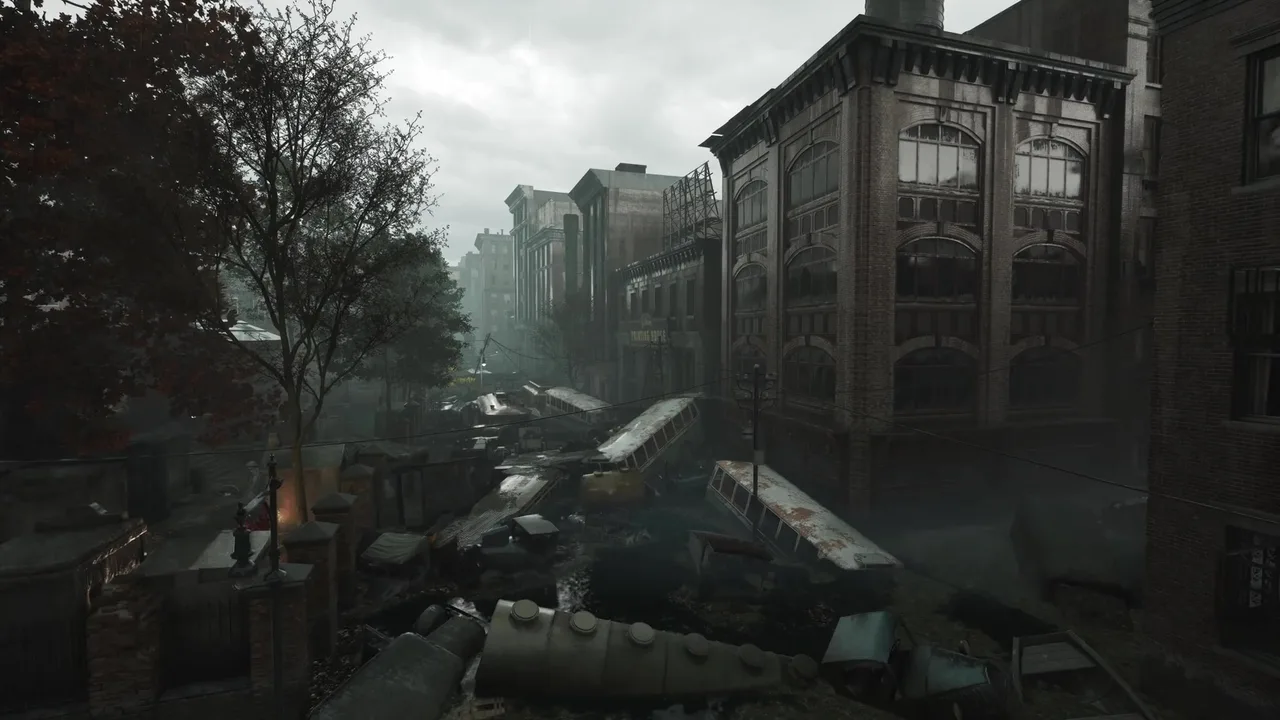
The True Antagonist of the Sequel
When Frogwares released The Sinking City 2 in August, it marked a definitive and brutal pivot for the studio. Abandoning the more open-ended detective mechanics and sprawling dialogue trees of its 2019 predecessor, this sequel fully embraced the grueling, resource-starved mechanics of pure survival horror. Players were thrust into a radically different experience, one where every bullet counts and simply staying alive takes precedence over solving intricate mysteries. However, as players and media outlets have spent more time digesting the horrors of this long-awaited follow-up, a compelling consensus has emerged.
While the visceral encounters with grotesque entities like the Slither are undeniably terrifying, the true antagonist of the game isn’t a shrieking monstrosity composed of writhing tentacles. The most horrifying element of The Sinking City 2 is the drowned city of Arkham itself.
Recent analytical pieces, including a deep dive feature from Japanese gaming outlet Gamespark, have perfectly articulated this sentiment. They note that the sheer psychological weight of navigating this submerged urban decay drastically overshadows the traditional monster encounters. Arkham is not merely a gothic backdrop for the action; it is a hostile, oppressive force that actively grinds down your resolve. Frogwares has utilized masterful environmental design, Unreal Engine 5 rendering, and a deep understanding of Lovecraftian themes to make the setting the most formidable threat you will face throughout the campaign.
The Architectural Corpse of a 1920s Metropolis
To understand why drowned Arkham is so effective at instilling dread, we must look at how it leverages the mundane. The game is set in the 1920s, a period characterized by specific architectural styles, early modern conveniences, and post-war industrial growth. Under normal circumstances, Arkham would be a bustling hub of New England commerce and academic pursuit. Instead, The Sinking City 2 presents us with an architectural corpse. A supernatural flood has devastated the region, transforming familiar city streets into stagnant canals and burying the lower halves of grand brick buildings beneath murky, contaminated water.
Powered by Unreal Engine 5, the visual fidelity of this destruction is absolutely staggering. The development team has meticulously crafted an environment that feels authentically ruined. You can see the dark tide marks stained onto the wallpaper of abandoned apartments, indicating precisely how high the black water rose during the initial cataclysm. Furniture floats aimlessly in flooded lobbies, and the oppressive, perpetual fog obscures the gothic spires that barely break the surface of the skyline.
It is, as Gamespark aptly described it, a “walking nightmare.” When you are forced to explore treacherous zones like Downtown Arkham, you aren’t just walking through a meticulously designed haunted house; you are trespassing in a graveyard of human civilization. The horror stems directly from the juxtaposition of the familiar and the apocalyptic. The city feels palpably diseased, and that environmental rot seeps into every single moment of the gameplay loop.
A Departure from Oakmont’s Investigation
In the 2019 original, players explored Oakmont, a city suffering from similar aquatic afflictions. However, Oakmont was a detective’s playground—a place where you could wander the streets, speak with peculiar locals, gather clues, and slowly unravel mysteries at your own pace. The water was a barrier and an aesthetic choice, but it rarely felt like an active, malicious predator.
The sequel’s iteration of Arkham is fundamentally different, reflecting the franchise’s shift in genre. Frogwares has stripped away all the safety nets. There are fewer friendly NPCs to converse with, fewer bustling safe zones, and absolutely no room for leisurely investigation. The survival horror pivot means that every ruined building in Arkham is a potential death trap. The severe resource scarcity—where finding a handful of revolver rounds feels like a major victory—forces you to scour the darkest, most waterlogged corners of the city, exposing yourself to the very environments that seek to consume you.
This structural shift recontextualizes how we interact with the Lovecraftian world. You aren’t a confident investigator cracking a case; you are a desperate survivor trying to escape a localized apocalypse. The environmental storytelling does the heavy lifting for the narrative. You don’t need a quest giver to tell you a tragedy occurred in a specific tenement; the floating luggage, the desperate claw marks etched above the high water line, and the haunting, absolute silence convey the horror far more effectively than exposition ever could.
The Dread of the Deep: Navigating the Flooded Streets
Perhaps the most anxiety-inducing aspect of interacting with the drowned city is the traversal itself. Because the main streets are entirely impassable on foot, players must rely on fragile means of transportation to navigate between the jagged peaks of submerged neighborhoods. The implementation of the boat and navigation mechanics is deliberately heavy and cumbersome, emphasizing your extreme vulnerability. When you are out on the open water, you are completely exposed.
The water in Arkham is opaque—a thick, oily blackness that hides whatever lies beneath the surface. The sound design during these boating segments is where the game truly shines as a horror masterpiece. The rhythmic, monotonous splashing of your oars is frequently interrupted by heavy, unnatural ripples nearby, or the distant, guttural echoing of aquatic predators breaching the surface. You know that creatures like the Deep Ones thrive in this exact environment.
Every single time you must cross a large body of open water within the city ruins, there is a suffocating tension. The boat offers no real physical protection; it is merely a flimsy wooden barrier between you and the abyss. This constant, simmering dread of the unseen makes the environmental traversal just as terrifying as an actual combat encounter in a confined, dark hallway.
Furthermore, the game’s dynamic the flood system ensures that the environment remains unpredictable. The water levels in Arkham are not entirely static. You might clear a building of threats and establish a temporary safe haven, only to realize that the route you took to get there is now completely submerged under ten feet of black water, forcing you to find a new, potentially deadlier path forward. The environment is actively working against your survival.
Psychological Toll: The City’s Grip on Your Mind
The environmental horror of Arkham extends far beyond physical danger and directly impacts the game’s core mechanics, specifically regarding your character’s psychological state. The return of the sanity and mind system in The Sinking City 2 is inextricably linked to the environment you traverse. While looking directly at a horrifying eldritch entity will cause your sanity to fracture rapidly, simply existing in the drowned city takes a slow, agonizing toll on your mental fortitude.
The oppressive atmosphere, the constant rain, the grotesque imagery of corpses tangled in flooded debris, and the sheer hopelessness of the architecture—all of it slowly chips away at your mind. The city acts as a constant, inescapable stressor. In many modern survival horror games, you can usually find a quiet corner, a well-lit save room, to catch your breath and recuperate. In drowned Arkham, even the designated safe rooms feel compromised by the pervasive dampness and the muffled sound of the churning, unnatural water outside.
The game expertly uses visual and auditory hallucinations to blur the line between the physical horrors of the flood and the internal collapse of the protagonist’s mind. When the environment itself is designed to make you feel isolated and hopeless, the resulting horror is far more insidious than any sudden ambush.
A Masterclass in Cosmic Dread
In community discussions, the sheer scale of Arkham’s devastation is frequently highlighted as the game’s greatest achievement. Over on Reddit, players looking for media that perfectly encapsulates the hopeless dread of awakening an eldritch god frequently point to this sequel as the gold standard. While some casual observers on social media have mistakenly referred to the recent release as a “remaster” of the first game—likely due to the shared naming convention and thematic similarities—those who have actually survived its campaign understand the truth. It is a fully-fledged, Unreal Engine 5-powered continuation that drastically shifts the genre focus to deliver something entirely new.
As we look at the post-launch reception of The Sinking City 2, it is clear that Frogwares took a massive risk by fundamentally altering the gameplay loop of their flagship franchise. The shift to pure survival horror could have easily resulted in a generic action game with a Lovecraftian coat of paint. Instead, they doubled down on the atmosphere, making the city of Arkham the central pillar of their horror experience.
The combat is desperate and the resource management is brutal, but these systems only work so effectively because of the suffocating context in which they exist. The drowned city is a constant, looming reminder of humanity’s failure to protect itself against the cosmic dark. It is a hostile, uncaring ecosystem that you are merely trying to survive, rather than conquer. The next time you find yourself wading through waist-deep water in a ruined tenement, clinging to your last medical supply and listening to the sickening squelch of something moving in the dark, remember that the monsters are just a symptom. The real horror is the city that swallowed them.