The Sinking City 2 Community Spotlight: Frogwares' Moving Message, RE-Style Mechanics, and the Terrifying Library
Players are praising The Sinking City 2 for its respectful homage to classic survival horror mechanics, while highlighting the terrifying Library level as a standout experience.
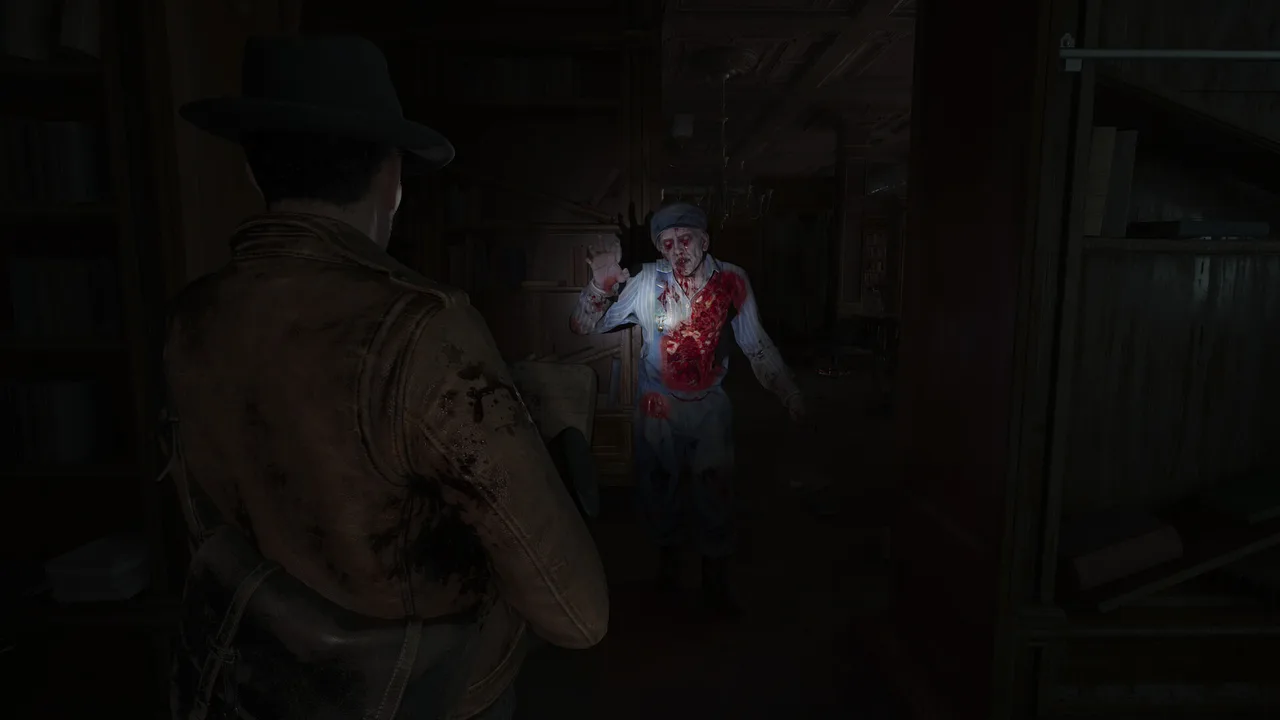
Since its release on August 18, 2026, The Sinking City 2 has firmly established itself as a bold and successful reinvention for the franchise. Moving away from the open-world detective focus of the 2019 original set in Oakmont, Frogwares has successfully plunged players into the merciless, flooded streets of a drowned Arkham. Powered by Unreal Engine 5, the game delivers an uncompromising survival horror experience that leaves little room for error. Over the past month, the community has had ample time to dissect the mechanics, explore every murky corner, and share their collective impressions.
Two distinct topics have dominated recent discussions across forums and social media: a powerful, sobering message from the developers that greets players upon booting the game, and the meticulous implementation of classic survival horror mechanics that elevate specific areas—like the much-discussed Library level—into the pantheon of great horror design.
A Defiant Start: The Message from Frogwares
Before players even encounter their first monstrosity or manage their rapidly declining sanity meter, The Sinking City 2 delivers a quiet moment of reality. As noted by several players on Reddit recently, firing up the game presents a direct message from the Ukrainian developer, Frogwares. This studio has been operating under unimaginable conditions, navigating the ongoing war, blackouts, and literal bombings while somehow managing to craft a visually stunning and mechanically tight Unreal Engine 5 title.
The community reaction to this message has been overwhelmingly positive and reflective. Players who may have picked up the game simply looking for a new survival horror fix have found themselves deeply moved by the context of its creation. It adds a palpable layer of grit and determination to the final product. Knowing that the developers continued to build this world while facing real-life existential threats reframes the entire experience. It transforms the digital struggle for survival against Lovecraftian horrors into a testament to real-world resilience. For a game funded partly through Kickstarter, this direct communication reinforces the bond between the studio and its supporters, grounding the cosmic dread in a very human reality.
A Masterclass in Homage: Embracing Classic Survival Horror
When Frogwares announced the pivot to a strict survival horror framework, there was natural skepticism regarding how well they could execute the genre’s defining staples. Would it feel like a cheap imitation of genre giants, or a natural evolution of their own formula? According to the player base, the studio has nailed the execution, creating what many describe as a “respectful homage” rather than a derivative clone.
The hallmarks of late-90s and early-2000s survival horror are present but modernized perfectly for the drowned Arkham setting. Players have specifically praised the implementation of safe rooms. In a city submerged in floodwaters and infested with eldritch abominations, finding a dry, secure room with a locked door offers immense psychological relief. These sanctuaries provide a brief, crucial respite from the relentless tension of the flooded corridors outside.
Equally praised is the game’s mapping system. Unlike the first game’s reliance on manual street navigation and cross-referencing street intersections, The Sinking City 2 adopts a localized, room-by-room map for its major interior locations. Much like the modern remakes of classic survival horror titles, the map dynamically updates to show which rooms have been fully cleared of items and which still hide secrets. This system encourages thorough exploration without the frustration of aimless wandering. It pushes players to check every corner of the submerged tenements and rotting manors, ensuring they engage with the environmental storytelling and scavenge necessary supplies.
Door puzzles also make a triumphant return. Arkham is a city of locked doors and sealed gates, requiring esoteric keys, crests, and the solving of environmental riddles to progress. This structure forces players to backtrack through dangerous, previously cleared areas where new enemies might have spawned, organically generating tension and forcing combat encounters when you are least prepared for them.
The Economics of Scarcity: Crafting in Arkham
A core component of this successful homage is the punishing economy of resources. Ammunition and healing items are severely limited, forcing players into difficult decisions at every turn. The game features a robust crafting system that allows you to create what you need, but the raw materials required are incredibly scarce. Do you use your limited chemical supplies to craft shotgun shells to deal with an immediate threat blocking a hallway, or do you save those resources for a mandatory boss encounter down the line?
This delicate balance is where the true horror of the game lies. You are never fully equipped to handle everything Arkham throws at you. The game excels at keeping you in a state of constant vulnerability. For those struggling to maintain their inventory and keep their health out of the danger zone, checking our resource management guide can provide essential strategies for maximizing your scavenged materials. Understanding the survival basics is no longer optional in this sequel; it is a strict requirement to see the credits roll. The tension of limping back to a safe room with red health, zero bullets, and a flickering lantern is a feeling The Sinking City 2 delivers consistently.
The Scariest Moments: Surviving “The Library”
While the game provides sustained anxiety through its resource scarcity and hostile environments, certain locations elevate the experience into pure terror. In recent community discussions ranking the scare factor of modern horror games, The Sinking City 2 holds its own, with many players pointing to a specific location as the absolute highlight of their playthrough: The Library.
While the overarching horror of the game might be described as “anxiety-inducing” due to the constant threat of resource depletion, the Library shifts the tone into outright dread. Libraries in Lovecraftian fiction are historically dangerous places—repositories of forbidden knowledge, cursed tomes, and secrets not meant for human minds. Frogwares has taken this classic trope, expanded it to a massive scale, and submerged it in black water.
Navigating the flooded, labyrinthine aisles of Arkham’s grand library is a masterclass in atmospheric tension. The murky water obscures whatever lies beneath the surface, and the tight corridors between towering bookshelves restrict your movement and line of sight. Players have reported that the auditory design in this section is spectacular; the sound of dripping water, echoing pages turning, and the unnatural splashing of unseen entities creates a deeply oppressive environment. Every step feels like a risk.
It is in these cramped, water-logged environments that encounters with the local fauna become truly horrifying. Fighting in waist-deep water significantly limits your mobility, making standard evasive maneuvers sluggish and difficult. When a serpentine creature bursts from the black water right in front of you, panic sets in immediately. For those who find themselves constantly ambushed and losing precious health in these sections, reading up on the attack patterns of the Slither is highly recommended to avoid unnecessary damage. Furthermore, the library’s dark corners often hide much bulkier threats, making the knowledge of how to fight Deep Ones absolutely critical before you venture too deep into the flooded archives. The claustrophobia of the aisles combined with the aggression of these enemies makes the Library a grueling test of your nerves.
The Enduring Appeal of Drowned Arkham
What these community discussions reveal is a game that has successfully found its niche and its audience. By leaning heavily into proven survival horror mechanics—safe rooms, detailed room-tracking maps, limited crafting, and intricate door puzzles—Frogwares has built a solid mechanical foundation. They then wrapped that foundation in their unparalleled grasp of Lovecraftian atmosphere and the grim reality of their own development circumstances.
The Sinking City 2 is not just a standard sequel; it is a profound statement of artistic intent and perseverance. The start-up message reminds us of the human effort behind the screen, while locations like the Library remind us exactly why we play horror games in the first place. The transition to Unreal Engine 5 has allowed the team to realize a vision of Arkham that is rotting, wet, and undeniably terrifying. As players continue to map out every flooded street, manage their meager resources, and seek out hidden safe rooms, the consensus is clear: the survival horror pivot was the right call, and the nightmare of drowned Arkham is a journey well worth experiencing.