How to Fight Deep Ones in The Sinking City 2
Tactics for surviving Deep One encounters in The Sinking City 2 — weak points, positioning, water hazards, and the weapons that actually work against them.
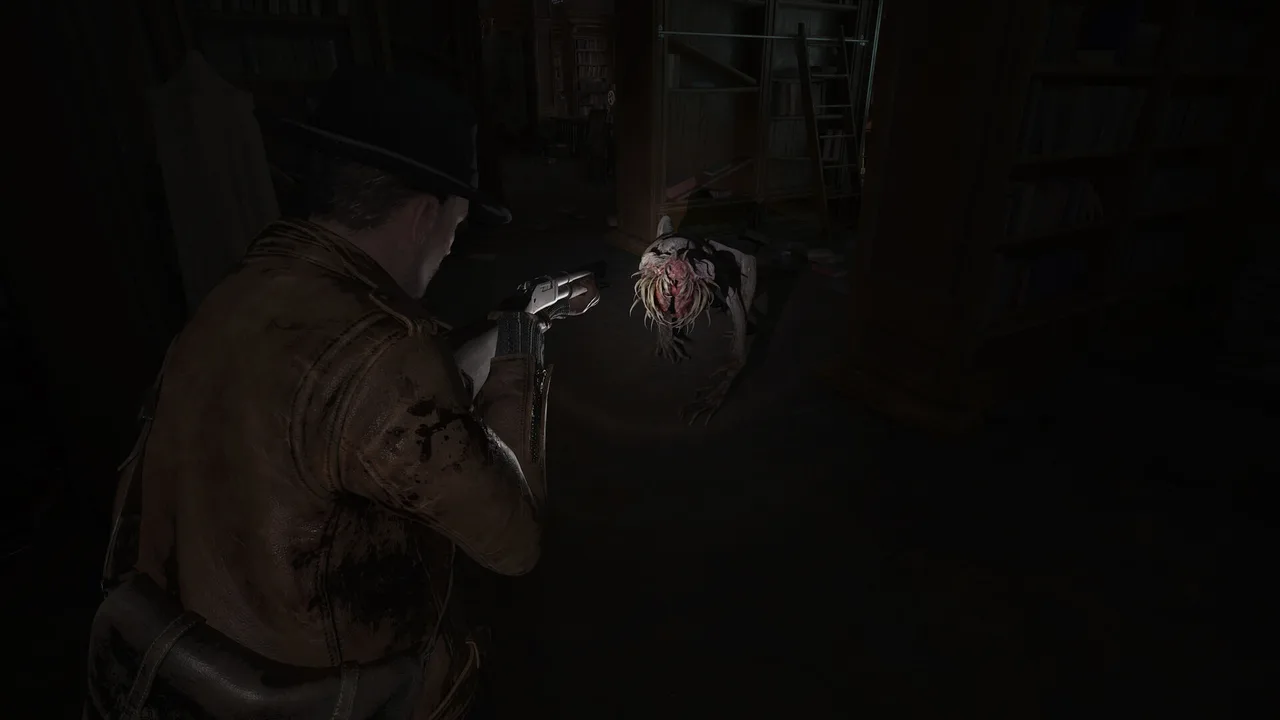
The first time a Deep One dragged itself out of the water in the demo, it was already too close. That’s the entire problem with these things — by the time you see them, the fight is already happening on their terms.
Deep Ones are TSC2’s aquatic ambush predators. Lore-faithful to Lovecraft’s fish-people from “The Shadow over Innsmouth,” but Frogwares has turned them into something mechanically nasty: fast in water, aggressive on land, and built to punish players who wander through flooded areas without a plan. If the Slither is the game’s slow, grinding attrition enemy, the Deep One is the sudden violence that ends a run before you’ve processed what happened.
This guide covers what the demo and previews have shown about fighting them — and more importantly, how to avoid fighting them when you can’t afford to.
Understanding the Deep Ones
Before you can fight them, you need to understand what makes them different from other enemies in Arkham.
Speed in water is their defining trait. On dry land, Deep Ones are fast but manageable — roughly comparable to a sprinting human, maybe slightly faster. In water, they’re something else entirely. They close distance instantly, attack from angles you weren’t watching, and can submerge to reposition mid-fight. The depth of water you’re standing in directly determines how dangerous they are.
They ambush. Deep Ones don’t patrol hallways like the Slither. They wait. Submerged in flooded rooms, lurking beneath the surface during boat travel, hiding behind submerged debris. Audio cues — wet gurgling, the sound of something large displacing water — are your warning system. If you hear it, stop moving and scan the water before you walk in.
They’re tough. Deep Ones absorb more punishment than most common enemies. Body shots feel like they do almost nothing. This is a creature that demands you learn its weak points or you’ll empty your entire ammo supply into one and still be in trouble.
Weak Points
Based on the demo and what Frogwares has shown in gameplay previews, Deep Ones appear to have these vulnerable zones:
| Weak Point Location | How to Spot It | Effect of Hitting It |
|---|---|---|
| Throat / gill area | Lighter-colored tissue on the neck, may pulse or glow faintly | Significant damage, likely stagger |
| Exposed underbelly | Visible when they rear up to attack or climb onto surfaces | Heavy damage window, brief — they don’t stay exposed long |
| Limb joints | Slightly different texture at shoulder/hip joints | Possible cripple effect — may slow their movement |
The throat is probably your most reliable target. When a Deep One lunges, its head extends forward and the throat area opens up. That brief attack animation is your window. The underbelly is higher-reward but only shows when they transition from water to land — a narrow opening.
A critical note: these observations are based on the demo and previews. The full game may introduce Deep One variants with different or additional weak points.
Positioning: Get Out of the Water
This cannot be overstated. If you’re fighting Deep Ones while standing in water, you’re playing their game.
Dry ground changes everything. On land, you move at full speed. You can dodge effectively. You can backpedal and circle without water resistance slowing you. The Deep One has to climb out of the water to reach you, and that climbing animation is a free weak-point window.
Elevation Priorities
- High ground — stairs, raised walkways, the second floor of a flooded building. Ideal. Deep Ones struggle with vertical approaches and you get clear sightlines to their weak points.
- Dry rooms — any space where the floor is above water level. Even a few inches of clearance means you’re not wading, and there’s likely a doorway that forces the Deep One through a chokepoint.
- Shallow water (ankle-deep) — not great, but workable. You’ll be slightly slower but can still dodge. The Deep One loses its underwater ambush advantage.
- Deep water (waist and above) — avoid at all costs during combat. Your movement speed drops dramatically, dodging becomes sluggish, and the Deep One moves like a torpedo.
When you’re exploring flooded areas, always note where the high ground is before you need it. Staircases, ledges, overturned furniture — anything that gets you above the waterline. If a Deep One appears and you’re in deep water, don’t fight. Sprint for the nearest elevated surface and make your stand there.
Weapons That Work
Not every weapon in your arsenal is equally effective against Deep Ones.
Shotgun — your best friend. When a Deep One lunges out of the water and you’ve got two seconds before it’s on top of you, a shotgun blast to the throat is the most reliable response. The spread compensates for the speed of the encounter, and the raw damage at close range can stagger or kill outright. The trade-off is ammo scarcity — shotgun shells are precious, and you can’t rely on them for every Deep One encounter.
Rifle — the ideal opener. If you spot a Deep One before it spots you — surfacing in a distant flooded room, climbing a wall across a canal — a rifle shot to the weak point can end the fight before it starts. Patience and positioning make this the most ammo-efficient option, but it demands you maintain distance, which isn’t always possible in tight Arkham interiors.
Revolver / Pistol — adequate but slow. The revolver works in a pinch, especially for follow-up shots after a stagger. But its damage output against a Deep One’s bulk is modest. You might need four or five well-placed shots to kill one. It’s what you’ll use when you can’t afford shotgun shells and don’t have rifle range.
Melee — last resort only. Getting within melee range of a Deep One means you’re within its grapple range. These things hit hard, they’re fast, and their attacks have wide arcs. If you’re in melee range with a Deep One, something has gone badly wrong. The one exception might be a finishing blow on an already-staggered creature — one good swing to save a bullet. But don’t plan around it.
Throwables and environmental traps. Explosive objects near water can be devastating. If you can lure a Deep One near a fuel can or an unstable electrical fixture and shoot it, you deal area damage without spending premium ammo. This is situational but worth looking for every time you enter a flooded zone.
The Boat Problem
Traveling between Arkham’s districts by boat means crossing open water — Deep One territory. The demo showed brief boat encounters where something bumps against the hull, surfaces nearby, or outright attacks.
We don’t have full details on boat combat yet, but based on what’s been shown, here are working assumptions:
- You’re exposed. No cover, limited movement options, no way to get to high ground.
- Ammunition spent on boat encounters is ammunition you don’t have when you dock. Think hard before engaging something in the water from a boat. If you can outrun it, outrun it.
- Audio cues matter double. Water sounds, impact on the hull, the direction of splashing — these tell you where the threat is before you can see it.
- Speed may be your best defense. If the boat has a throttle or row-speed mechanic, getting through a Deep One zone fast might be better than fighting through it slowly.
Encounter Scenarios
Here’s how to handle the most common Deep One encounters based on what the demo suggested:
Scenario 1: Flooded Room, One Deep One
The most basic encounter. You enter a room, water is knee- to waist-deep, and one surfaces ahead of you.
Response: Back up immediately to the doorway or any dry ground behind you. Let it come to you. When it lunges out of the water to attack, shoot the throat weak point. One or two clean shots from a shotgun or rifle should handle it. The doorway forces it into a predictable approach path.
Scenario 2: Deep Water Ambush
You’re wading through chest-deep water in a flooded corridor. Something grabs you or surfaces right next to you.
Response: This is the worst case. Dodge immediately — any direction that isn’t deeper water. Sprint (if stamina allows) toward the nearest shallow area or ledge. Don’t try to fight in deep water. Even if it means taking a hit to escape, the damage you take running is less than the damage you’ll take trying to fight at a massive mobility disadvantage.
Scenario 3: Multiple Deep Ones
Two or more surfacing in the same area. This is a resource sink and possibly a run-ender if you’re not prepared.
Response: Prioritize escape if it’s available. If you must fight, find the tightest chokepoint you can — a doorway, a narrow walkway — so they can’t flank you. Focus one at a time, always targeting weak points. Use a throwable or environmental hazard if available to damage the group. Accept that this fight is going to cost you resources and budget accordingly for the rest of the level.
General Deep One Survival Rules
- Listen. Water displacement sounds, gurgling, and wet footsteps are your early warning system. If you hear them, stop and scan before entering the water.
- Light up the water. Your flashlight reveals movement and makes weak points visible. Keep it on in any flooded area where combat is possible.
- Don’t loot in the water. If there’s a pickup in a flooded room, clear the room first, then grab it. Reaching down for ammo while a Deep One surfaces behind you is exactly how you die.
- Mark high ground mentally. Every time you enter a new area, notice where the dry spots are. Stairs, platforms, furniture. That’s where you’ll fight from if something comes out of the water.
- Conserve shotgun ammo specifically for them. Deep Ones are one of the strongest arguments for keeping shotgun shells in reserve rather than spending them on weaker enemies. When you hear gurgling, you want shells in the gun.
For the full bestiary entry on Deep One behavior, variants, and lore, see our Deep Ones codex page. For broader combat fundamentals — dodging, stagger mechanics, ammo management — check our complete combat guide.
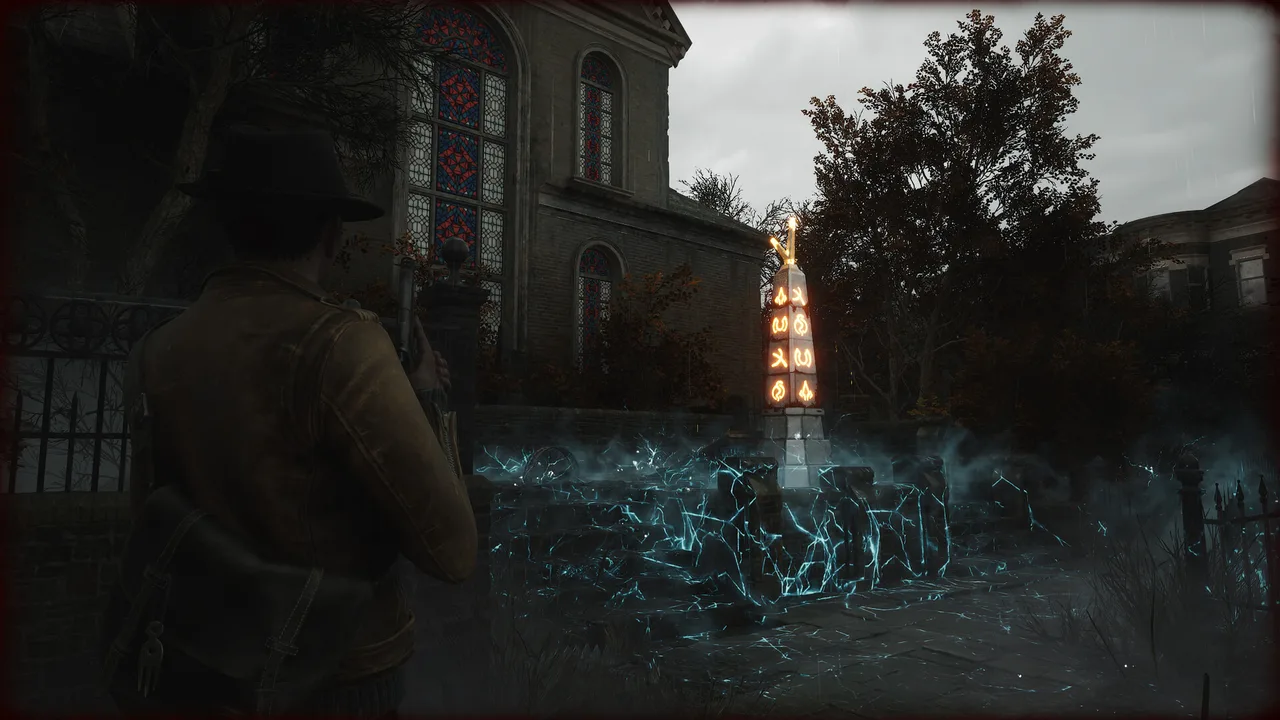
Arkham’s water isn’t just an obstacle. It’s where they live. Respect it, stay out of it when you can, and when you can’t — aim for the throat.
Frequently asked questions
Where do Deep Ones appear in The Sinking City 2?
Deep Ones are most common in flooded districts, submerged areas, and during boat travel between Arkham's zones. Expect them anywhere water is deep enough to hide in.
What weapons work best against Deep Ones?
Shotguns at close range and rifles for precision weak-point shots from elevated dry ground are the most effective. Avoid melee — they're too fast and too strong up close, especially in water.