The Sinking City 2 Gets Official SteelSeries EQ Preset as Community Praises Its Survival Horror Atmosphere
The latest SteelSeries GG update introduces an official audio preset for The Sinking City 2, arriving just as players compare its oppressive atmosphere to genre giants like Dead Space.
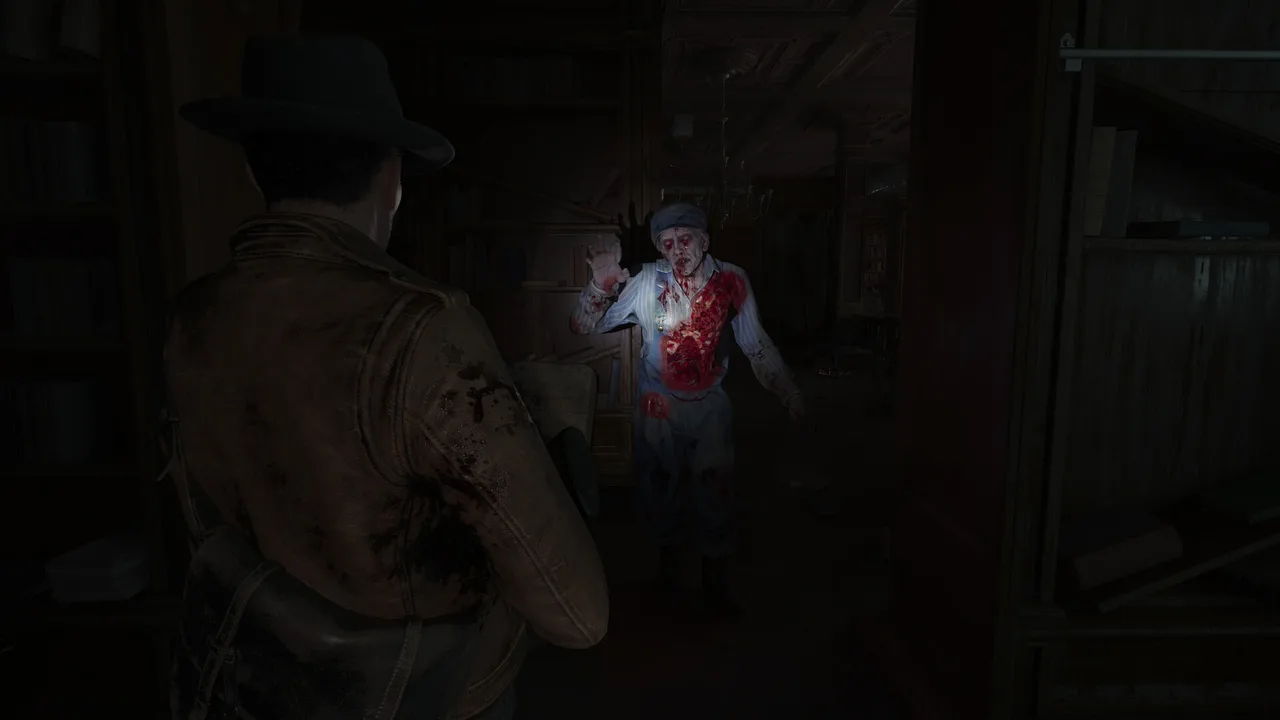
When Frogwares announced that the sequel to their 2019 Lovecraftian detective game would be pivoting strictly into the survival horror genre, many wondered if the studio could successfully execute the transition. Over a month after the game’s release on PC, PlayStation 5, and Xbox Series X|S, the consensus is becoming remarkably clear. By drastically reducing resources, implementing brutal combat encounters, and utilizing Unreal Engine 5 to create a truly oppressive, flooded version of Arkham, the developers have crafted an experience that resonates deeply with horror veterans.
A significant part of this success lies in the game’s meticulous audio design. Recognizing the importance of the game’s soundscape, hardware manufacturers are beginning to offer native support for the title. Most recently, SteelSeries has officially integrated customized audio profiles for the game, underscoring just how critical auditory awareness is when navigating the drowned streets of Arkham.
The SteelSeries GG 120.0.0 Update
Earlier today, SteelSeries rolled out version 120.0.0 of its GG software ecosystem. Tucked within the general UI improvements and peripheral firmware updates was a highly anticipated addition for horror fans: a brand-new Engine EQ Preset entirely dedicated to The Sinking City 2.
For players utilizing compatible SteelSeries headsets, this official EQ profile removes the guesswork from audio optimization. While Frogwares delivered a remarkably robust default audio mix at launch, a tailored EQ profile is crucial for a game dominated by environmental hazards. In the flooded ruins of Arkham, low-frequency ambient sounds—like the constant rushing of ocean water against decaying brickwork and the howling coastal winds—can easily drown out the subtle, high-frequency auditory cues that players desperately need to survive.
The new SteelSeries preset appears specifically balanced to elevate the mid-to-high frequencies while tightening the bass. This means that the oppressive ambient roar of the environment remains atmospheric, but the sharp, sudden splashes of an approaching enemy, or the distinct metallic click of an empty revolver chamber, cut through the mix with absolute clarity. It is a technical adjustment that directly impacts gameplay, ensuring that the soundscape works alongside your survival instincts rather than masking impending threats.
Navigating the Drowned City by Ear
Understanding the sheer hostility of this rendition of Arkham is vital. You are no longer just an investigator casually walking the streets of Oakmont; you are a survivor trapped in an actively decaying, partially submerged nightmare. A significant portion of the game requires navigating these flooded districts via small boats or wading through waist-deep, contaminated water.
In these vulnerable moments, your vision is heavily obscured by thick, supernatural fog and the dark, murky waters that characterize the Unreal Engine 5 environment. Here, your ears become your most valuable asset. The sound of rotting wood creaking under the weight of an unseen mass, or the rhythmic bumping of something large against the hull of your fragile boat, are the only warnings you receive before an encounter. Players who have properly calibrated their audio—whether through in-game settings or external software like the new SteelSeries preset—can accurately gauge the distance and direction of aquatic threats, allowing them to adjust their speed or prepare a weapon before the horror breaks the surface.
The Mechanics of Fear: How Audio Dictates Combat
The pivot to pure survival horror brings with it a drastic reduction in available ammunition and healing items. You cannot simply blast your way through every encounter; avoiding unnecessary fights is often the only way to ensure you have enough resources for mandatory boss encounters. Consequently, auditory tracking dictates the flow of combat.
When dealing with the amphibious Deep Ones, recognizing their specific auditory footprint is a matter of life and death. These creatures frequently ambush players from beneath the water’s surface in flooded basements or submerged streets. A properly mixed audio setup allows you to hear the subtle, wet sloshing sounds or their guttural, clicking communications moments before they lunge. Hearing that distinct splash gives you the fraction of a second needed to raise your shotgun or retreat to dry land.
Similarly, navigating the claustrophobic interiors of Arkham’s abandoned manors introduces different auditory challenges. The grotesque, mutated monstrosities known as the Slither are notorious for their erratic movements, often crawling along walls and ceilings in the pitch black. Players must rely entirely on directional audio to track the sickening sound of peeling flesh and scraping claws. Pinpointing their location by ear allows you to strike first. For those struggling to manage these intense encounters, reviewing our extensive combat guide can provide the tactical edge necessary to conserve your hard-earned ammunition.
Sanity and Sound: When Your Ears Deceive You
The audio design takes an even more sinister turn when factoring in the game’s returning Sanity system. As your character is exposed to eldritch horrors, grotesque violence, and otherworldly anomalies, their mental fortitude degrades. The developers have brilliantly tied this cognitive decline directly into the auditory feedback loop.
As your sanity plummets, the soundscape becomes polluted with vivid auditory hallucinations. You will begin to hear phantom footsteps echoing just behind you, forcing you to frantically spin around only to find an empty hallway. Unsettling whispers will creep into your peripheral hearing, and the distant, agonizing screams of victims will echo through environments that are entirely devoid of human life.
Paradoxically, a high-quality audio setup makes managing these sanity drops significantly more terrifying. Because the audio is crystal clear, the hallucinations sound indistinguishable from actual, physical threats. Players must develop a keen ear to differentiate between the environmental cues of a genuine monster and the deceptive manifestations of their own deteriorating mind. Keeping your mental state stabilized is just as important as managing your physical health; players looking to master this delicate balance should consult our sanity management guide for advanced strategies on maintaining a clear head in the face of cosmic dread.
Community Verdict: Standing Alongside the Greats
This meticulous attention to atmosphere and sound design has not gone unnoticed by the player base. Over the past few weeks, discussions across prominent gaming forums and communities have increasingly highlighted The Sinking City 2 as a triumph of modern survival horror.
In recent threads on subreddits dedicated to gaming recommendations, players actively seeking out new horror experiences are frequently pointed toward Frogwares’ latest release. What is particularly noteworthy is the company the game is keeping in these discussions. Hardcore horror fans, who explicitly list genre-defining masterpieces like Resident Evil 4 and Dead Space as their baseline for quality, are finding that the flooded streets of Arkham provide the exact blend of “creepy atmosphere and vibes” they crave.
When a community begins comparing a new release to the undisputed titans of the survival horror genre, it speaks volumes about the game’s execution. The dread of resource scarcity, the constant vulnerability imposed by the environment, and the overwhelming audio-visual presentation of the eldritch horrors have coalesced into an experience that perfectly scratches a highly specific, demanding itch for horror enthusiasts.
Optimizing Your Descent
The addition of the official SteelSeries EQ preset is a welcome quality-of-life improvement for players utilizing that specific hardware ecosystem, but it also serves as a broader reminder for the entire player base: do not neglect your audio settings.
Whether you are using specialized peripheral software, a high-end surround sound system, or a standard pair of stereo headphones, taking the time to balance your audio mix in The Sinking City 2 is a fundamental part of the survival experience. Ensuring that ambient noise does not overpower subtle enemy cues, and playing in a quiet, darkened room, will drastically enhance the terror and tension of your journey. In a city where the water hides ancient, unspeakable things, listening closely is often the only thing keeping you alive.