Why The Sinking City 2 Is Being Hailed as the Best Lovecraft Game Yet
Despite some clunky combat mechanics, Frogwares' sequel is earning high praise for its Resident Evil-inspired survival horror and faithful Lovecraftian lore.
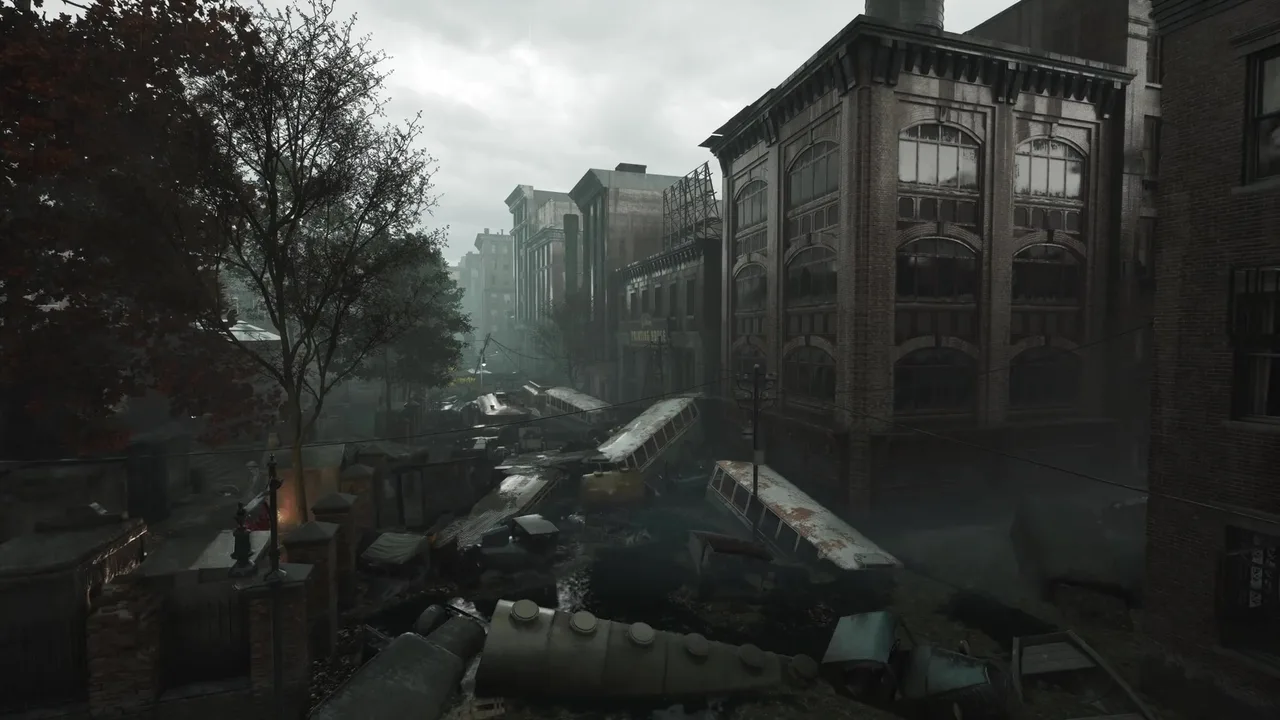
It has been a few weeks since The Sinking City 2 launched globally on August 18, 2026, bringing its terrifying, water-logged vision of cosmic dread to PC, PlayStation 5, and Xbox Series X|S. Developed and published by Frogwares, the highly anticipated sequel promised a massive shift in creative direction. Leaving behind the open-world investigative structure of the 2019 original set in Oakmont, the developers fully embraced the survival horror genre, utilizing the immense visual capabilities of Unreal Engine 5 to bring a flooded, decaying vision of 1920s Arkham to life. Now that the dust has somewhat settled and players have had adequate time to thoroughly explore every damp, blood-stained corner of the city, a clear consensus is emerging from the broader community and professional game critics alike.
Despite a handful of technical hiccups and some undeniably clunky combat mechanics, The Sinking City 2 is being widely hailed across forums and reviews as the most faithful, atmospheric, and genuinely terrifying Lovecraftian video game ever created. It is proving to be a flawed but entirely fantastic experience that wears its mainstream inspirations proudly on its sleeve while simultaneously carving out its own horrific identity in the crowded survival horror landscape.
The Resident Evil Blueprint in Drowned Arkham
When news first broke that Frogwares shifts to survival horror, many long-time fans of the original game’s heavy, notebook-driven investigative focus were understandably skeptical. However, recent critical reviews from major outlets like Kotaku have openly praised the bold pivot, with headlines directly calling the game a “very good Resident Evil-like experience.” This lofty comparison to modern survival horror titans—specifically the recent Capcom remakes—is not made lightly.
The Sinking City 2 fundamentally restructures its core gameplay loop to mirror that same claustrophobic tension. The sprawling, sometimes directionless open world of the original game has been entirely replaced by meticulously crafted, linear, and deeply interconnected environments. Players are constantly forced to manage a severely limited inventory, agonizing over whether to carry extra medical supplies or make room for a few precious shotgun shells. The sanity meter, a returning feature that defined the first entry, adds an extra layer of psychological resource management, actively blurring the lines between reality and eldritch hallucinations as your resources dwindle.
However, the transition to pure survival horror is not entirely seamless, and community feedback has been vocal about its shortcomings. Discussions across Reddit and dedicated gaming forums have highlighted some distinct friction in the game’s combat mechanics. Players have frequently noted that switching between weapons in the heat of battle can feel overly sluggish, often leaving the protagonist, Calvin Rafferty, vulnerable to rapid strikes. Furthermore, the newly implemented stomp execution mechanic—which is designed to finish off downed enemies and conserve your meager ammunition—can sometimes be triggered accidentally when players are desperately trying to fire their weapon or reposition. While this mechanical clunkiness has been a source of genuine frustration, some dedicated horror purists argue that it inadvertently adds to the desperate, unpolished feel of an ordinary man fighting for his life against otherworldly horrors.
The Bestiary: Slither Zombies and Deep One Tanks
A survival horror game is ultimately only as memorable as the monsters stalking its halls, and The Sinking City 2 delivers a terrifying roster of foes that perfectly encapsulate the Lovecraftian mythos while fulfilling classic gameplay archetypes. At the absolute bottom of the eldritch food chain are the infected denizens of Arkham, primarily driven by the Slither. These parasitic, otherworldly worms infest and violently reanimate corpses, essentially acting as the game’s equivalent of traditional Romero-style zombies. The Slither-infected enemies come in various twisted, mutating forms, lumbering clumsily through the flooded streets and tight indoor corridors. They serve as a constant, resource-draining threat that forces players to carefully place their shots or risk being overwhelmed by sheer numbers in tight spaces.
On the completely opposite end of the spectrum are the iconic Deep Ones. Moving far away from their fleeting, almost shy appearances in earlier Lovecraft adaptations, these hulking, amphibious monstrosities take terrifying center stage in The Sinking City 2. They function as the aggressive “tank” enemies of the game, relentlessly pursuing Calvin through flooded basements and soaking up massive amounts of ballistic damage. Players across community forums have likened them to literal bullet sponges, noting with frustration that they can “eat bullets like popcorn.”
Engaging a Deep One without a solid tactical plan—and a well-stocked arsenal of heavy firepower—is a very quick way to see a Game Over screen. Surviving these specific encounters often requires studying a comprehensive combat guide to learn their specific weak points and telegraphed attack patterns, as brute force is rarely a viable or sustainable option against these ancient denizens of the deep.
The Arkham Fish Market: Frogwares’ Answer to Ravenholm
One of the most universally praised aspects of The Sinking City 2 is its level design, with one specific location standing out as an absolute masterclass in environmental horror: the Arkham Fish Market. In recent community discussions mapping out the most terrifying locations in modern gaming, players have drawn direct, glowing comparisons between the Fish Market and Half-Life 2’s infamous Ravenholm level. It is a place so fundamentally hostile, oppressive, and saturated with dread that even a hardened protagonist hesitates to enter.
However, the game’s narrative brutally demands it, as the Fish Market is precisely where Calvin believes his missing girlfriend, Faye, has been taken. This mid-game section strips away any lingering sense of safety the player might have managed to build up. The area is heavily infested with the most aggressive mutations of the Slither, but worse, it serves as a central stronghold for the Deep Ones.
The ambient audio design here is spectacular—the constant splashing of unseen things in the water, unnatural gurgling from the vents, and distant, guttural roars create a suffocating atmosphere of inevitable doom. The visual juxtaposition of ordinary, mundane 1920s commercial architecture submerged under rotting, algae-covered black water perfectly captures the essence of a human world slowly, agonizingly being claimed by the ocean. Navigating the Fish Market is a harrowing gauntlet of intense resource management and frantic stealth, cementing its reputation as one of the standout chapters in the survival horror genre this entire year.
A Treasure Trove of Lovecraftian Lore
While the core narrative of The Sinking City 2—a desperate man navigating a ruined city to find his lost love—has been described by some critical reviewers as somewhat simple or “middle of the road,” the dense world-building layered on top of it is nothing short of extraordinary. For die-hard fans of the Cthulhu Mythos, the game acts as an absolute treasure trove of lore, hidden references, and subtle nods to H.P. Lovecraft’s original bibliography.
Beyond the incredibly obvious thematic ties to The Shadow over Innsmouth—which is evident in the heavy presence of the Deep Ones and the general aquatic decay of Arkham—players have meticulously documented deep-cut easter eggs relating to The Whisperer in Darkness and At the Mountains of Madness. Whether it is an obscure, blood-stained document detailing a doomed Antarctic expedition, a half-mad rambler in a safe room speaking of winged, buzzing creatures in the Vermont hills, or the bizarre, non-Euclidean geometry that subtly shifts the architecture of certain buildings when your sanity drops, Frogwares has proven their profound understanding of the source material.
It is this unwavering, passionate commitment to the 1920s New England vibe, combined with the grim, occult underpinnings of the universe, that elevates the game far beyond its mechanical flaws. The developers understand that cosmic horror isn’t just about jump scares; it’s about the overwhelming realization of humanity’s total insignificance in the grand cosmic order.
Conclusion: The Definitive Lovecraft Gaming Experience
The Sinking City 2 is by no means a perfect video game. Its combat can occasionally feel frustratingly imprecise, the resource balancing can be punishingly tight, and the narrative simplicity might disappoint those who strongly preferred the sprawling, dialogue-heavy detective investigations of the 2019 original.
Yet, by fully embracing the strict constraints of the survival horror genre, Frogwares has succeeded in creating a visceral experience where the player actually feels the insignificance, desperation, and terror that Lovecraft’s literary protagonists constantly endure. The meticulously detailed, flooded streets of Arkham offer an unforgettable, visually stunning journey into madness, solidifying The Sinking City 2 as a must-play for horror aficionados and, according to its most dedicated players, the greatest interactive adaptation of cosmic horror to date.