The Sinking City 2 Late Reviews: Lovecraftian Horror at Its Best and Worst
Recent evaluations from international media highlight how The Sinking City 2's Unreal Engine 5 survival horror pivot delivers breathtaking terror alongside divisive flaws.
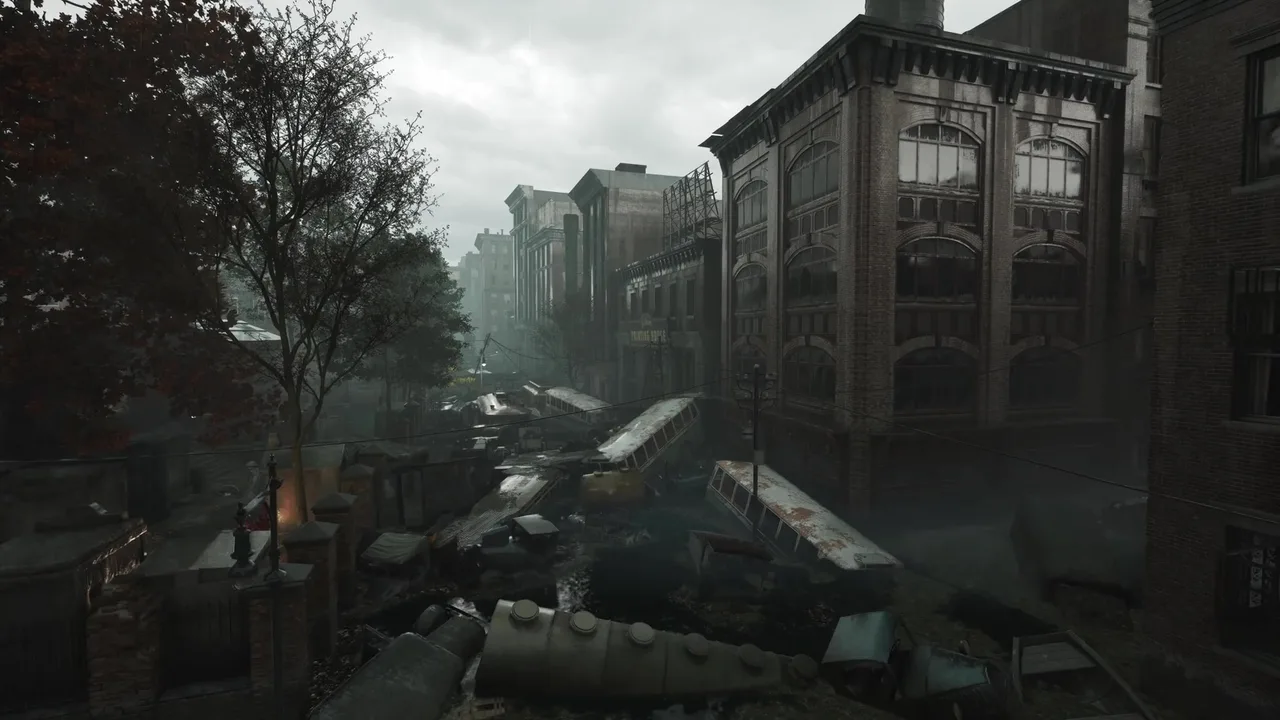
The landscape of the survival horror genre has been indelibly marked by the recent arrival of The Sinking City 2. Released globally on August 18, 2026, across PC (Steam, Epic Games Store, GOG), PlayStation 5, and Xbox Series X|S, the highly anticipated sequel from Ukrainian studio Frogwares represents a massive creative gamble. By completely pivoting away from the methodical, detective-focused gameplay loop of the 2019 original game and fully embracing a rigorous, pure survival horror structure powered by Unreal Engine 5, the developers sought to fundamentally redefine their interpretation of the Lovecraftian mythos.
Now, weeks after the initial wave of launch-day coverage, a secondary wave of late reviews and international critiques is providing a much clearer, settled picture of how this bold shift actually lands with both critics and the core player base. Outlets like Twisted Voxel have notably described the overall experience as representing “Lovecraftian Horror at Its Best and Worst,” perfectly capturing the deeply polarizing nature of a title that radically alters the franchise’s DNA. This detailed analysis examines these recent critical evaluations, evaluating where the flooded, decaying streets of Arkham succeed brilliantly in inducing terror, and where the altered mechanics leave segments of the community questioning the new direction.
“A Horror That Surprises”: Unreal Engine 5 and Drowned Arkham
One of the most universally praised aspects across recent media coverage, including a highly favorable review published by Tom’s Hardware Italy, is the sheer oppressive power of the setting itself. The Italian technology and gaming publication rightly notes that transposing H.P. Lovecraft’s terrifying, abstract imagery into the interactive medium of a video game is always an arduous task. However, they firmly conclude that The Sinking City 2 stands as a “horror che sorprende” (a horror that surprises). This success is largely attributed to the studio’s transition to Unreal Engine 5, which has allowed the development team to render a nightmarish vision of Arkham that feels genuinely apocalyptic and suffocating.
This is not merely a city experiencing heavy rainfall or localized flooding; this is a fully drowned Arkham, a sprawling metropolis that has been ruthlessly swallowed by unnatural, churning black waters and is rotting from the inside out. The integration of Unreal Engine 5 goes far beyond a simple graphical upgrade; it serves as a foundational pillar of the game’s atmospheric storytelling. The engine’s advanced global illumination and lighting systems create a dense, tangible darkness. When players navigate the submerged city, the limited light sources available—perhaps a flickering, dying streetlamp barely breaking the water’s surface, or the desperately weak beam of a handheld lantern—cast deep, shifting shadows that constantly play terrifying tricks on the eyes.
Furthermore, traversing this flooded nightmare constitutes a core pillar of the overarching experience. Players are entirely reliant on small, rickety boats to traverse the submerged districts, carefully moving between isolated pockets of dry land and ruined interiors. The intense isolation felt while rowing through the foggy, ruined avenues is palpable and nerve-wracking. As the protagonist paddles past half-submerged gothic spires, decaying Victorian manors, and floating debris, the heavy atmosphere does the heavy lifting for the psychological terror. For players looking to master these treacherous waters and minimize their exposure to aquatic threats, understanding the intricacies of the vessel controls is essential; you can review our dedicated boat and navigation breakdown for more context on how movement impacts your vulnerability out on the black waters.
Where the Game “Truly Shines”: Monsters, Combat, and Scarcity
According to the latest review from the Penticton Herald, The Sinking City 2 “truly shines” in its moment-to-moment tension and unyielding difficulty. The survival horror label attached to the project during its successful Kickstarter campaign is not merely a marketing buzzword; it is the absolute governing law of this iteration of Arkham. Ammunition is agonizingly scarce, medical supplies are severely limited, and the horrific enemies stalking the ruins are relentless. The deliberate shift away from the somewhat clunky action-adventure combat sequences of the 2019 predecessor means that every single encounter with the eldritch horrors roaming the city must be carefully considered and strategically planned.
The bestiary designed by Frogwares acts as a masterclass in disturbing, grotesque enemy design. The iconic, aquatic deep ones return with a vengeance, but they are no longer just slow-moving melee targets. In this sequel, they are agile, terrifying predators that actively utilize the flooded environments to their tactical advantage. They will relentlessly ambush investigators from the murky depths, flank positions in the ruined buildings, and absorb a distressing amount of precious ammunition before finally going down.
Furthermore, the game introduces larger, more imposing abominations like the Slither. This amorphous, tentacled monstrosity serves as a localized, high-stakes encounter that aggressively tests everything a player has managed to hoard in their limited inventory. Engaging such creatures requires specialized tactics and heavy resource expenditure, prompting many to consult strategies on how to fight the Slither before venturing into heavily corrupted, high-risk zones.
The Psychological Toll of Survival: Sanity Mechanics
Physical danger, however, represents only half the battle in this drowned metropolis. The returning sanity system ensures that the horror remains a deeply psychological ordeal. In traditional survival horror titles, taking a hit means losing a chunk of health. In The Sinking City 2, merely existing in the overwhelming presence of the eldritch, or witnessing a gruesome, mind-bending scene, actively drains the protagonist’s sanity meter. As this gauge depletes, the game engine actively tries to deceive the player.
Players suffering from low sanity might hear the distinct gurgling sounds of enemies that are not actually present, see mundane shadows suddenly morph into twisted, threatening shapes, or experience jarring, violent visual distortions that obscure the environment and make aiming a firearm nearly impossible. This mechanic forces players into a grim, constant economic dilemma: do you waste your last few shotgun shells on a monster to quickly clear a path, or do you conserve your ammunition, attempt to sneak by in the oppressive shadows, and risk severe, debilitating mental degradation? Managing this mental decay is just as critical as managing your physical health pool, and fully grasping the sanity and mind mechanics is absolutely essential for long-term survival in the later, more harrowing chapters.
The Pitfalls: “At Its Worst” and Community Pushback
Despite the widespread critical praise for its suffocating atmosphere, breathtaking visuals, and genuine tension, the game is certainly not without its detractors. This division perfectly explains Twisted Voxel’s explicit caveat of the game being “at its Worst” in certain specific aspects. The friction primarily stems from the radical, unapologetic departure from the original game’s core identity. The 2019 iteration of The Sinking City was, at its very heart, a slow-burn detective game. It asked players to painstakingly piece together clues, navigate a complex Mind Palace interface, and draw their own conclusions without excessive hand-holding. The Sinking City 2, conversely, streamlines much of the complex investigation mechanics to make necessary room for inventory management, stealth sequences, and frantic combat.
This hard pivot has sparked intense, ongoing debate within the core player base. Across social media and community forums like Reddit, particularly in international communities, threads bearing titles such as “KTO TEGO POTRZEBOWAŁ?” (Who needed this?) boldly highlight the alienation felt by dedicated fans of the original. For some veterans, trading methodical detective work for shotgun blasts and inventory tetris feels like a betrayal of what originally made Frogwares’ take on Lovecraft unique. They argue that cosmic horror is inherently about the slow, creeping realization of unknowable dread, not necessarily shooting fish-men in the face with a rusty revolver.
Furthermore, some critics and community members point out that the rigid adherence to classic survival horror tropes—such as constant backtracking, scouring environments for specific keys to unlock specific doors, and managing a highly restrictive grid-based inventory—can occasionally clash with the narrative pacing. When the overarching story demands a sense of urgent, impending doom, being forced to slowly search a flooded basement for a handful of bullets can artificially pad the runtime and somewhat deflate the narrative tension.
A Polarizing Descent into Madness
Ultimately, the influx of late reviews and the ongoing, passionate community discourse paint The Sinking City 2 as a polarizing but undeniably potent addition to the crowded survival horror genre. For players seeking a terrifying, incredibly tense, and resource-starved journey through a visually stunning realization of H.P. Lovecraft’s worst nightmares, the game offers a gripping, nerve-wracking experience. The drowned streets of Arkham are merciless, and surviving them requires a calculated blend of sharp reflexes, careful planning, and unyielding mental fortitude.
Conversely, for those who deeply desired a true mechanical sequel to the 2019 game—a cerebral, slow-paced investigation into the unknown—the heavy, uncompromising emphasis on combat and physical survival might feel like a misstep. Backed by a highly successful Kickstarter campaign, Frogwares was transparent about this direction from the start, and they have successfully built a better, significantly scarier horror game. However, in doing so, they have left some of their original, distinctive investigative identity submerged in the black waters. Whether The Sinking City 2 represents Lovecraftian horror at its absolute best or its frustrating worst entirely depends on exactly what kind of madness you are looking to confront.