Bullet Sponges and Arenas: Why The Sinking City 2's Hospital Onslaught is Frustrating Players
Players are voicing frustration over The Sinking City 2's linear arena-style encounters, stiff combat, and bullet-sponge enemies in the Hospital chapter.
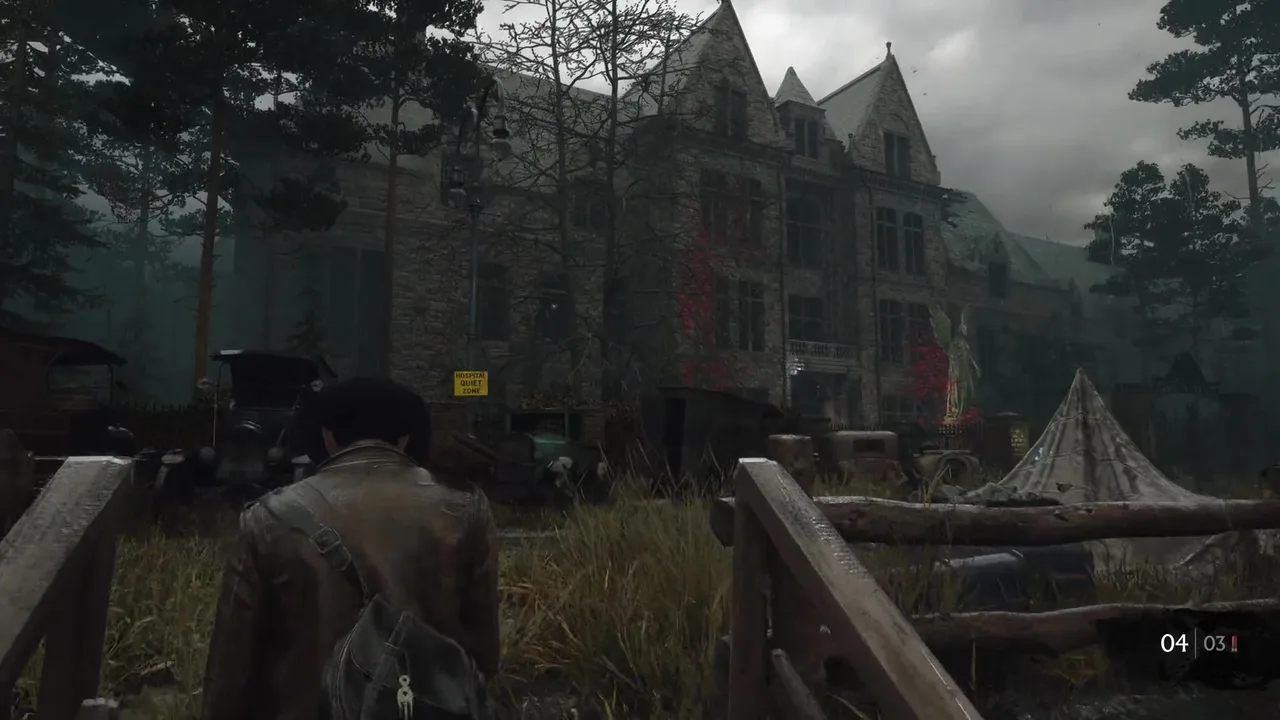
When Frogwares officially launched The Sinking City 2 on August 18, 2026, the studio made a clear promise: a definitive pivot away from the open-world detective mechanics of the 2019 original toward a pure, focused survival horror experience. Powered by Unreal Engine 5, the drowned city of Arkham offers a visually stunning and oppressive atmosphere. However, as more players progress through the mid-to-late stages of the campaign, a vocal segment of the community is expressing significant frustration with how the game structures its combat.
Instead of organic, tension-filled encounters that reward careful resource and inventory management, many players are reporting that the game devolves into a series of rigid, frustrating “arenas.” This structural critique is currently dominating community discussions, with particular ire directed at the final encounter in the hospital level.
The Linear “Arena” Structure: A Step Backwards?
One of the most defining aspects of the original The Sinking City was its open-world nature. While flawed in its execution at times, the city of Oakmont felt like a real place you were navigating. You had to find intersections, engage in random encounters, and naturally stumble upon clues.
By contrast, the transition to a survival horror framework in the sequel seems to have narrowed the scope dramatically. According to recent community feedback on Reddit, players are pointing out that the flooded streets of Arkham, while visually terrifying, often function as little more than a “straight line from one set of arenas to another.” The exploration aspect, heavily reliant on navigating via boat, sometimes masks what is essentially a linear funnel pushing players directly into forced combat rooms.
For fans expecting a blend of exploration and terrifying, unscripted encounters with the unknown, this design choice feels jarring. Instead of cautiously creeping through the city dreading a sudden ambush by the Slither or stumbling upon a cultist ritual, players reportedly know exactly when a fight is coming: when they enter a large, enclosed room with conveniently placed explosive barrels and cover. This predictability strips away the psychological tension inherent in the Lovecraftian genre, replacing it with the rote memorization of an action shooter.
The Hospital Onslaught: A Breaking Point
The most frequently cited example of this frustrating design is the climax of The Hospital Grounds. In this specific set-piece, players are locked into an “onslaught” encounter—a staple of action games but highly controversial in a game billing itself as survival horror.
Players report that the hospital finale throws waves of enemies at the protagonist in a confined space. Because the game’s movement and aiming are intentionally weighty (a common trait in survival horror meant to induce panic), engaging multiple fast-moving targets simultaneously feels “stiff, awkward, and clunky.” But the real issue lies in the resource economy during this specific fight.
A core tenet of survival horror is that ammo is strictly limited. You are supposed to weigh the cost of every shot against the option of fleeing. However, in a forced arena where you must kill every enemy to progress, fleeing is not an option. To compensate for this, the game introduces respawning ammunition in the arena.
As one frustrated player noted, this turns the climactic hospital battle into an “awful slog” and “one of the most boring and frustrating sections of gameplay.” Instead of tactical combat, the strategy devolves into running in circles around the room, dodging attacks, and simply waiting for the ammo to magically reappear on the ground so you can take a few more shots. This breaks immersion entirely. You are no longer a desperate survivor fighting eldritch horrors; you are a player exploiting an arena timer to bypass an artificial roadblock.
The “Bullet Sponge” Dilemma on Normal Difficulty
Compounding the frustration of the arena design is the health pool of the enemies. In Lovecraftian lore, encountering a creature like a Deep One should be a monumental, terrifying event. In The Sinking City 2, players are finding that even standard “pleb” enemies require a massive amount of ammunition to take down.
Reports indicate that even on the standard “Normal” difficulty setting, enemies act as bullet sponges. Players have noted needing up to 11 machine gun shots just to drop standard nightmare creatures. This creates a severe disconnect between the game’s narrative and its gameplay loop. When a single basic enemy eats half of your hard-earned inventory, the incentive to engage in combat plummets.
This design also diminishes the impact of the game’s weaponry. While the arsenal is satisfying to use from an audiovisual standpoint, the lack of stopping power makes the guns feel like peashooters against the horrors of Arkham. Frogwares has implemented a robust system for combat and weak points, but when an onslaught arena is swarming with enemies, carefully aiming for a small, glowing weak spot while managing a clunky dodge mechanic becomes an exercise in pure frustration rather than skill.
Missing the Narrative Nuance of the Original
Beyond the combat mechanics, the shift to a linear, action-heavy structure has some veteran fans mourning the loss of the original game’s narrative depth. The 2019 title featured compelling side characters like the Throgmortons and complex moral choices tied to deep investigative work.
While The Sinking City 2 successfully amplifies the environmental horror and features stellar Unreal Engine 5 visuals, the heavy emphasis on clearing out waves of Deep Ones leaves less breathing room for the slow-burn psychological horror and intricate deduction that put Frogwares on the map. The protagonist’s journey through drowned Arkham is undeniably more cinematic, but the community consensus suggests it currently lacks the narrative variety that made Oakmont memorable.
How Frogwares Can Address the Feedback
The community is not universally negative; many praise the terrifying creature designs, the visceral gore system, and the sheer scale of the drowned city environment. However, the recurring complaints about the hospital onslaught and general enemy health pools offer a clear roadmap for future updates.
To rectify the “arena” complaints, Frogwares might need to reevaluate enemy health scaling across difficulties in upcoming patches. Reducing the bullet-sponge nature of standard enemies could significantly speed up the pacing of these mandatory combat sections, removing the need for players to rely on awkward ammo respawn timers.
Furthermore, tweaking the spawn rates in specific arenas like the hospital could transform the encounter from a tedious endurance run into a sharp, terrifying burst of violence. Survival horror shines when every bullet counts, not when players are forced to run laps around a room waiting for a box of shells to materialize.
As The Sinking City 2 continues its post-launch lifecycle, it remains a visually spectacular nightmare. But until the balance between its clunky, deliberate combat mechanics and its high-octane arena encounters is smoothed out, players preparing to brave the hospital should pack their patience alongside their ammunition.