Trading Open Worlds for Ammo Scarcity: Why The Sinking City 2's Survival Horror Shift is a Triumph
Post-launch critical consensus highlights how Frogwares abandoned the detective sandbox for stamina-driven mechanics, cementing the sequel as a genre standout.
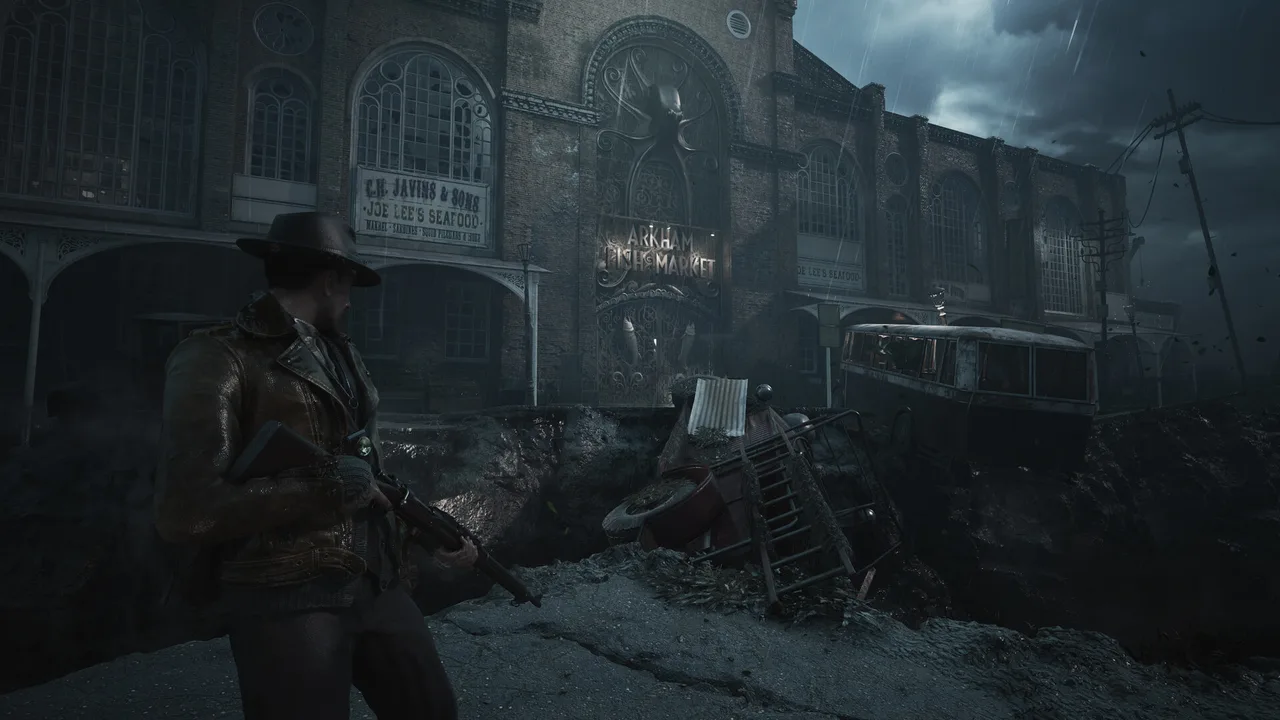
Two weeks after the August 2026 launch of The Sinking City 2, the dust has settled on the initial wave of release day reviews. While early impressions largely focused on the stunning Unreal Engine 5 visual upgrade and the horrifying enemy designs, a secondary wave of critical analysis is now taking shape across the gaming media landscape. Observers and critics are increasingly zeroing in on the structural and mechanical changes that differentiate this sequel from its predecessor.
Outlets like MartinCid and MSN have recently highlighted how Frogwares took a massive creative risk by completely abandoning the open-world detective sandbox of the 2019 original. In its place, the studio built an aggressively linear, stamina-driven survival horror experience defined by severe ammo scarcity. This design pivot could have easily alienated fans of the original game’s investigative freedom. However, the post-launch consensus suggests the exact opposite.
By shrinking the play space and starving the player of resources, Frogwares has successfully captured the oppressive, hopeless tone required for genuine Lovecraftian horror. The drowned streets of Arkham provide a far more intense backdrop than the sprawling, often empty districts of Oakmont ever did. The critical conversation has shifted from comparing the game to other open-world titles, to rightfully placing it alongside heavy hitters in the pure survival horror genre.
The Death of the Detective Sandbox
The 2019 release of The Sinking City relied heavily on its open-world structure. Players were given a vast city to explore, tasked with finding addresses, gathering clues, and piecing together deductions in a massive sandbox environment. While ambitious, this format often diluted the pacing. Running across town to check a single clue broke the tension, turning terrifying cosmic horror into a series of mundane commutes.
The Sinking City 2 aggressively corrects this by entirely dismantling the open-world formula. Arkham is presented not as a city to be freely explored, but as a hostile, flooded labyrinth to be survived. Progression is tightly controlled, pushing players through curated, claustrophobic environments. Recent retrospective pieces point out that this restriction of freedom is the game’s greatest strength. When you cannot simply run away into a wide-open street, the horror is inescapable.
The flooded interiors, crumbling gothic architecture, and narrow, debris-choked alleys create a constant feeling of entrapment. You are always cornered, always pushing deeper into the unknown with no fast-travel safety net. The transition to Unreal Engine 5 amplifies this confinement. The dense volumetric fog and realistic water physics make every step through the ruins feel heavy and laborious. You aren’t just fighting monsters; you are fighting the environment itself, which actively resists your progress and limits your lines of sight. In the 2019 original, you could spot danger from a block away; in the drowned Arkham, a threat can materialize from beneath the murky water right at your feet. This curated pacing allows Frogwares to meticulously control lighting, enemy placement, and narrative beats, resulting in a much tighter and consistently terrifying experience.
Stamina-Driven Mechanics and Player Vulnerability
A recurring theme in recent critical praise is the introduction of what reviewers are calling “stamina-driven survival horror.” In many modern horror action games, players can endlessly sprint away from danger or chain melee attacks together to stun-lock enemies. The Sinking City 2 outright rejects this power fantasy. Almost every physical action you take is governed by a strict, slow-to-regenerate stamina meter.
Sprinting through the knee-deep waters that flood Arkham’s streets exhausts your character rapidly. Swinging an improvised melee weapon in desperation drains a massive chunk of your stamina bar. Even dodging away from a lunging monstrosity carries a heavy cost. If you deplete your stamina entirely, you are left in a heavily vulnerable state, unable to run or fight back effectively while the eldritch horrors close the distance.
This limitation forces a tactical approach to every single encounter. You cannot brute-force your way through a room of enemies. Every action must be deliberate. If you swing a heavy pipe and miss, the recovery animation leaves you completely exposed. The stamina system demands that you read enemy telegraphs perfectly, waiting for the precise moment to strike or evade. It transforms combat from a mindless shooting gallery into a brutal, exhausting dance of survival. You have to evaluate the space, manage your stamina reserves, and decide if a fight is even worth the physical exhaustion. Knowing when to walk instead of run, or when to push an enemy back and retreat rather than going for a lethal blow, becomes second nature. Players struggling to adjust to this slower, more deliberate pacing should review our strategies on survival basics to better understand how to manage exertion during exploration.
Severe Ammo Scarcity and The Weight of the Trigger
Stamina is only one half of the survival equation; the other is the game’s brutal approach to resource management. Ammo scarcity is a staple of the genre, but The Sinking City 2 takes it to extremes that have caught many players and critics off guard. You will rarely have more than a handful of bullets for your revolver or shotgun at any given time. There are no overflowing supply caches to rely on, and crafting materials are agonizingly sparse.
This scarcity fundamentally changes the psychological weight of using firearms. A gun is no longer a tool for clearing rooms; it is a lifeline of absolute last resort. Missing a single shot is a catastrophic failure that can ripple through your next hour of gameplay. You might find yourself staring down a horrific aberration, aiming your weapon, and ultimately deciding to lower it and attempt a dangerous stealth maneuver simply because you cannot afford the bullet.
Critics have praised this balance, noting that it forces players to engage with the environment, utilize distractions, and plan routes carefully. The tension of holding a loaded weapon but being too afraid of the economic cost to fire it is exactly the kind of stress a Lovecraftian game should evoke. You are meant to feel underprepared and overwhelmed. Proper inventory tracking and meticulous scavenging are mandatory for making it through the game’s later chapters. Those who want to optimize their scavenging routes and learn how to prioritize their meager supplies should consult our detailed breakdown on resource and inventory.
Facing the Eldritch Bestiary Under New Rules
The combination of limited stamina and near-nonexistent ammunition completely alters how players interact with the game’s enemies. In a traditional action game, encountering a group of monsters is an opportunity for a flashy firefight. In The Sinking City 2, it is an immediate crisis that forces you to make hard decisions under pressure.
Consider the encounters with the Deep Ones. These iconic Lovecraftian creatures are physically imposing, highly aggressive, and relentlessly pursue you through the water. When you are cornered by a Deep One in a cramped, flooded basement, your options are severely limited. You cannot outrun them indefinitely due to the stamina system, and you likely lack the firepower to put them down quickly. These encounters become terrifying puzzles of positioning and resource calculation. You must use the environment to your advantage, lure them into bottlenecks, and only strike when absolutely necessary to conserve your energy and bullets.
The tension scales up even further when dealing with more erratic enemies like the Slither. These grotesque entities require precise targeting of specific weak points to defeat efficiently. Aiming down sights while your character is actively losing sanity, screen effects are blurring your vision, and your stamina is bottoming out makes landing a clean shot incredibly difficult. You are forced to wait for the perfect moment to pull the trigger, often letting the creature get uncomfortably close before taking the risk. It is in these moments of forced patience and vulnerability that the game’s mechanics truly shine.
A Permanent Place in the Genre
As Dread Central recently noted in their feature on essential Lovecraftian horror games, The Sinking City 2 has firmly cemented its place in the modern pantheon of the genre. By stripping away the bloat of the detective sandbox and leaning heavily into stamina-driven vulnerability and resource starvation, Frogwares delivered an uncompromising vision of cosmic dread.
The game forces players to confront the central theme of Lovecraftian fiction: human insignificance in the face of overwhelming odds. By making the player physically weak and chronically under-supplied, the gameplay mechanics perfectly mirror the narrative despair. The critical consensus is overwhelmingly clear—trading the open world for intense, linear ammo scarcity wasn’t just a bold choice, it was the necessary evolution that saved the franchise. Frogwares has provided one of the most mechanically tense and atmospherically oppressive horror experiences of the year, proving that sometimes, less freedom equals more fear.