The Sinking City 2 Combat Balance: Caught Between Classic Survival and Action Horror
Players are debating The Sinking City 2's combat balance. From ammo-starved boss fights to high enemy density in drowned Arkham, here is what to expect.
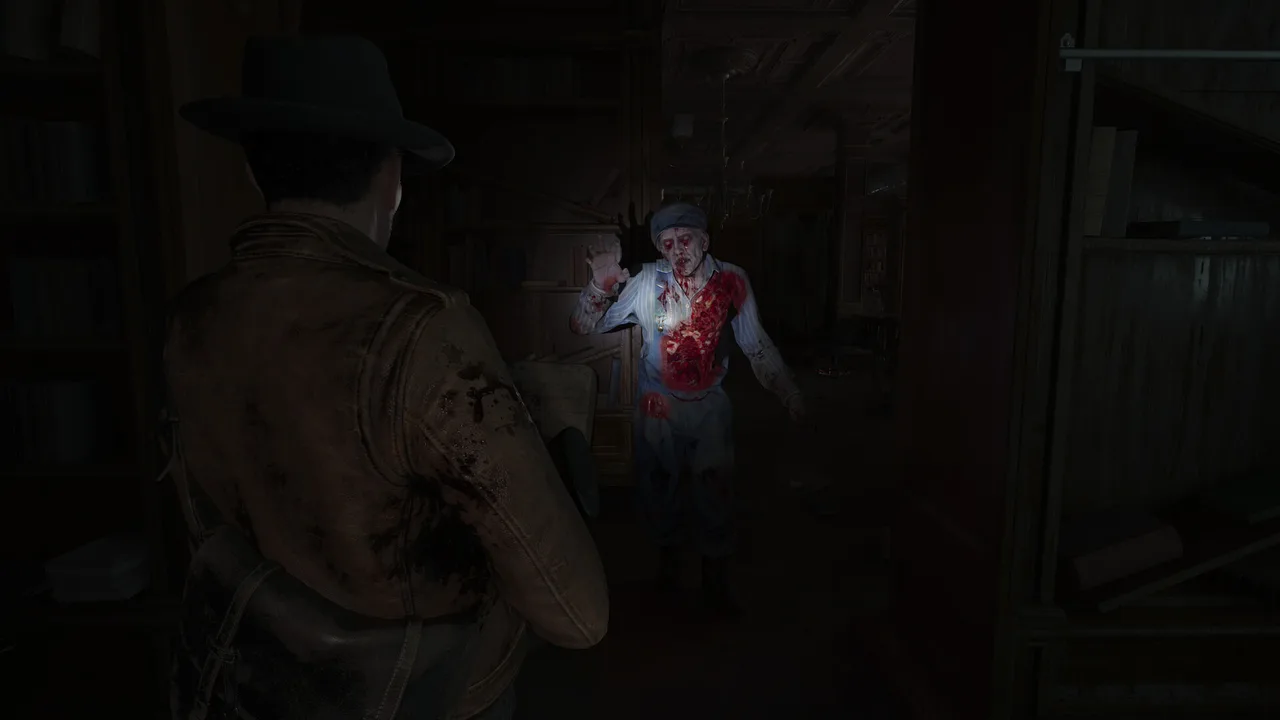
Almost two weeks after its highly anticipated launch on August 18, 2026, The Sinking City 2 continues to draw massive attention across PC, PlayStation 5, and Xbox Series X|S. Powered by Unreal Engine 5, Frogwares has successfully realized their terrifying vision of a drowned Arkham. However, as more players progress through the mid-to-late game stages, a significant debate is emerging within the community regarding the game’s core identity.
While the shift toward a pure survival horror experience was a central promise of the successful Kickstarter campaign, the actual execution has left some fans feeling that the game is suffering from a mechanical identity crisis. The ongoing discussion centers around a very specific question: is this game trying to be a slow-burn resource manager, or an action-heavy shooter?
Leaving Oakmont and the Detective Board Behind
To understand the current community feedback, it is necessary to look back at the 2019 original. The first The Sinking City was deeply rooted in open-world investigation. Players spent hours wandering the streets of Oakmont, piecing together clues in the Mind Palace, and engaging in detective work that felt distinctively analytical. Combat existed, but it was widely criticized for its clunky execution and floaty gunplay. It often felt like an afterthought attached to a mystery game.
With the sequel, Frogwares made a decisive pivot. The development team clearly separated their design philosophies: the pure investigation mechanics have been reserved for their acclaimed Sherlock Holmes franchise, while The Sinking City 2 was rebuilt from the ground up to cater specifically to survival horror enthusiasts.
For a large portion of the player base, this was the right call. The clunky shooting mechanics of the 2019 title have been replaced by a much more robust and weighty combat system. As noted in recent community discussions, players who abandoned the first game specifically because of its awkward gunplay are finding themselves completely absorbed by the intense, high-stakes encounters in drowned Arkham. The horror elements are front and center, the sanity mechanics are tighter, and the eldritch threats demand immediate, visceral reactions rather than slow deduction.
The Identity Crisis: Classic Exploration vs. Swarm Combat
The friction currently dominating community forums is not about whether the combat is good—it is about how the game distributes that combat. Players are noticing a stark contrast between the game’s environmental pacing and its enemy encounter design.
On one hand, The Sinking City 2 sets itself up as a spiritual successor to classic late-90s survival horror design, heavily echoing the structure of the recent Resident Evil 2 remake. The level design is claustrophobic and intricate. You navigate treacherous, flooded gothic architecture, constantly hunting for small keys, solving environmental puzzles to unlock new wings of the city, and stressing over every single slot in your inventory. This methodical pacing strongly encourages you to master your resource management, carefully deciding whether to carry an extra healing item or a handful of shotgun shells. The environmental storytelling and the tension of exploring these dark, waterlogged corridors are widely praised as top-notch.
On the other hand, the actual enemy encounters feel entirely different. Despite giving players the limited resources and strict inventory limits of a slow-burn horror game, the game routinely throws a staggering number of enemies at the player. Navigating a single city block or a flooded hospital ward can sometimes trigger swarms of monsters that feel more at home in an action-oriented title like Resident Evil 4.
Players report that even when playing conservatively—landing headshots, dodging efficiently, and avoiding unnecessary fights whenever possible—the sheer volume of enemies inevitably drains their supplies. The streets of drowned Arkham are densely populated with terrifying creatures. Encounters with packs of Deep Ones or the grotesque, unpredictable movements of the Slither require significant firepower to survive. When a game demands that you fight dozens of enemies but only gives you enough ammunition for a fraction of them, frustration naturally builds.
The Boss Fight Resource Trap
This clash between strict resource scarcity and high enemy density reaches its breaking point during boss fights. One of the most common complaints currently echoing across social media and Reddit is the “boss fight ammo dilemma.”
Because the regular exploration segments are so demanding, players frequently find themselves arriving at major boss arenas with little to no ammunition remaining. You might successfully navigate a harrowing gauntlet of aquatic horrors, only to face a towering eldritch monstrosity armed with three revolver bullets and a melee weapon.
To compensate for this, the developers have placed multiple supply boxes inside the boss arenas themselves. Players are expected to scramble around the boss room, cracking open two to four crates while dodging massive attacks, just to acquire enough ammunition to actually damage the boss.
Many in the community feel this creates a jarring gameplay loop. Instead of rewarding players for carefully hoarding their supplies throughout the level, the game essentially forces everyone to start boss fights in a state of artificial panic, relying entirely on mid-fight loot drops to secure a victory. Some players have even admitted to intentionally farming these boss arena boxes, dying, and restarting the checkpoint just to build up a functional stockpile of ammunition before properly engaging the boss. While the combat mechanics are mechanically sound, this specific loop disrupts the immersion and tension that the rest of the game builds so beautifully.
Adapting to the Flooded City
Until Frogwares addresses these balancing issues in a future patch, players must adapt their playstyles to survive the harsh realities of drowned Arkham.
First and foremost, players need to unlearn the instinct to clear out every room. Unlike action shooters where killing every enemy is the goal, The Sinking City 2 often requires you to simply run away. Understanding the movement patterns of the eldritch horrors and utilizing the environment to slip past them is not just a valid strategy—it is a mandatory survival skill. If you hear the distinct, wet sounds of a horde approaching, preserving your ammunition and finding a quick exit is almost always the smartest move.
Secondly, players must accept that boss arenas are designed to be looted during the fight. Rather than panicking when arriving empty-handed, treat the opening minute of any major encounter as a dedicated supply run. Focus entirely on evasion and gathering the provided resources before attempting to deal any significant damage.
Frogwares has delivered an incredibly atmospheric and genuinely frightening experience that successfully leaves the baggage of the 2019 original behind. However, as the community continues to dissect the game, it is clear that navigating the tightrope between classic survival resource limitations and modern action-horror pacing remains the biggest challenge for players exploring this beautiful, doomed city.