The Sinking City 2: Is It Worth Playing if You Hated the Original?
Discover how the shift to pure survival horror makes The Sinking City 2 worth playing for critics of the first game, plus UE5 crash fixes and community feedback.
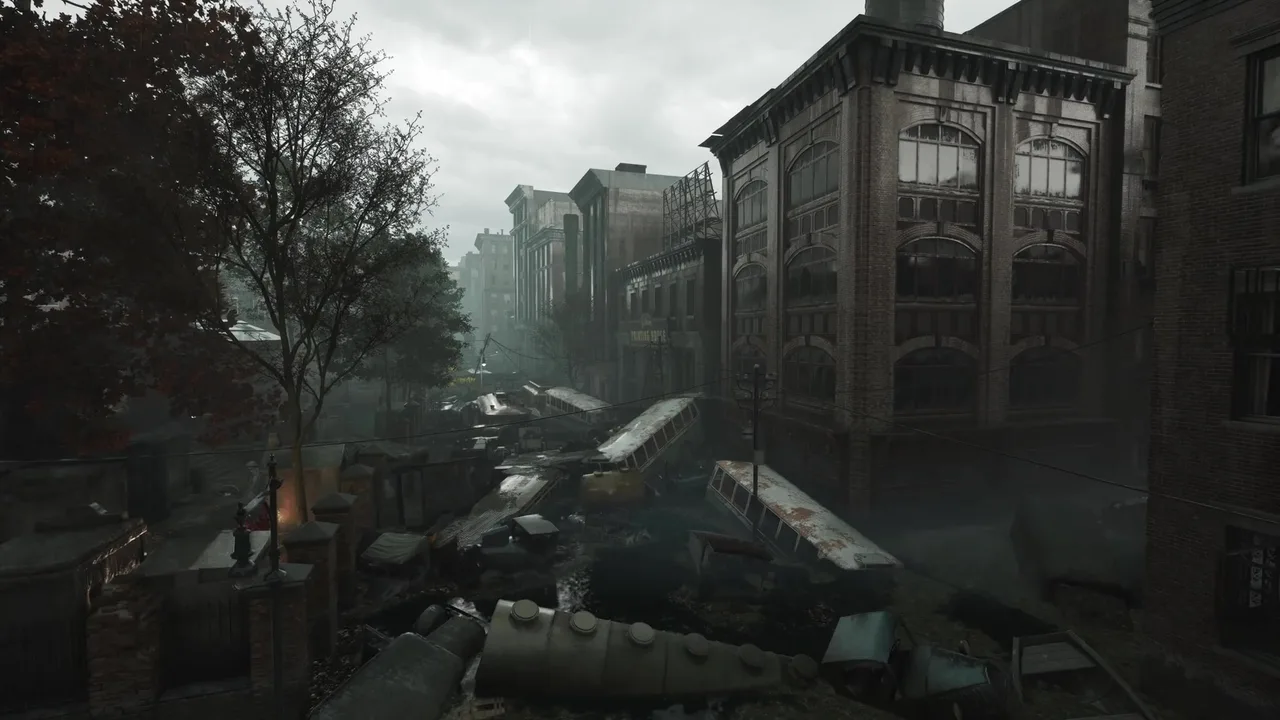
Almost two weeks after its highly anticipated August 18 release, The Sinking City 2 continues to dominate discussions within the survival horror community. Frogwares took a massive, unprecedented gamble by shifting away from the detective-focused, open-world gameplay of the 2019 original. Instead, they opted for a pure, unforgiving survival horror experience built from the ground up on Unreal Engine 5.
For many players who felt frustrated by the first game’s lack of direction and tedious investigation mechanics, a burning question remains: will I enjoy the sequel if I strongly disliked the original? Based on the latest community discussions, player feedback, and technical reports across Reddit and gaming forums, the answer is a resounding yes—but with a few modern design caveats. In this comprehensive breakdown, we will explore why the sequel is winning over former critics, address recent community feedback regarding excessive protagonist dialogue, and provide concrete troubleshooting steps for a notorious PC crash affecting Unreal Engine 5 users.
Swapping Investigation for True Survival Horror
The original 2019 game was undeniably ambitious but deeply flawed for a large segment of its audience. It relied heavily on a complex investigation board, a “Mind Palace” system for deductions, and virtually no objective markers. While some die-hard fans praised the “Sherlock Holmes meets H.P. Lovecraft” approach, a massive portion of players found it severely lacking in pacing, combat execution, and overall direction.
If that sounds like your experience, you will be pleased to know that The Sinking City 2 is a completely different beast. As noted by recent players across social media who explicitly stated they “hated the first game,” Frogwares has effectively swapped the convoluted investigation mechanics for a tight, linear structure heavily inspired by modern survival horror classics like the recent Resident Evil remakes.
The focus has shifted drastically from piecing together esoteric clues to simply surviving a hostile, flooded environment. Ammo is incredibly scarce, healing items are a luxury, and every encounter with the eldritch monstrosities lurking in the drowned Arkham requires careful calculation. You no longer have to worry about missing a tiny pixel-hunting clue in a massive open-world district. Instead, your primary concern is whether you have enough shotgun shells to make it through the next submerged basement. If you are struggling with this brutal new economy, checking our resource management guide is highly recommended to keep your head above water.
A More Focused Lovecraftian Setting
Another major criticism of the first game was its chaotic world-building. Oakmont felt like a messy amalgamation of every single H.P. Lovecraft story thrown into a blender without a clear narrative anchor. It lacked a cohesive identity, jumping frantically from one mythos reference to another.
The Sinking City 2, however, takes a much more restrained and focused approach. By setting the game entirely in a meticulously crafted, flooded version of Arkham, the narrative reportedly feels much tighter. The primary threats are explicitly defined—such as the terrifying Innsmouth-esque Deep Ones and the grotesque, pulsating masses of flesh known as the Slither. Learning how to fight the slither is a core part of the gameplay loop, rather than an afterthought in a sprawling detective story.
This setting allows for a more oppressive, claustrophobic atmosphere. You are no longer a private eye taking on bizarre side gigs for fish-people; you are a desperate survivor trying to navigate a city that has been swallowed by both the ocean and cosmic madness. The shift is so drastic that many prospective buyers are asking do you need to play the first game to understand the sequel? The community consensus is a firm no. This is a fresh start for the franchise.
Community Feedback: Does the Protagonist Talk Too Much?
Despite the overwhelmingly positive reception to the genre shift, the game is not without its modern design quirks. A prominent discussion point emerging over the weekend is the sheer volume of dialogue coming from the protagonist. A recent Reddit thread gained significant traction with a player ironically asking, “Don’t you love when characters never stfu in modern games?”, specifically targeting the constant chatter in The Sinking City 2.
This is a recurring criticism in contemporary AAA game design, often referred to as “backseat gaming” by the protagonist themselves. In a genre like survival horror, silence and isolation are crucial for building tension and dread. When the main character constantly vocalizes their thoughts, comments on every locked door, or gives away puzzle hints within seconds of entering a room, it severely undercuts the atmosphere.
Players have reported that Calvin Rafferty occasionally falls into this trap, frequently reminding the player about low ammo or explicitly stating what mechanical part needs to be found next. While this might be a conscious decision by Frogwares to ensure players don’t get frustratingly stuck, the community feedback suggests an option in the settings menu to toggle or reduce “hint dialogue” would be a massive quality-of-life improvement for veterans of the genre.
Troubleshooting: Fixing the UE5 EXCEPTION_ACCESS_VIOLATION Crash
On the technical front, The Sinking City 2 pushes impressive visuals using Unreal Engine 5, fully realizing the grim, water-logged aesthetic of a drowned Arkham. However, this ambition has led to some stability issues on PC. A specific error has been plaguing a subset of users over the past few days: the dreaded EXCEPTION_ACCESS_VIOLATION 0x0000000000000000 crash.
This fatal error usually occurs shortly after launching the game, abruptly returning players to the desktop. One player reported encountering this exact issue across multiple UE5 titles, including this game, immediately after performing partition merges on their hard drives and tampering with recovery partitions. If you are experiencing this crash, it often points to a conflict with memory allocation, corrupted Windows system files, or improper driver installations rather than an innate flaw in the game code itself.
Here are the recommended community troubleshooting steps if your rig currently meets the system requirements:
- Verify Integrity of Game Files: This should always be your first step. Corrupted files during download or after a drive modification can easily trigger access violations. Use Steam, Epic, or GOG’s built-in repair tools.
- Check Your Windows Paging File (Virtual Memory): Ensure that your Windows Pagefile is enabled and set to be managed by the system. Unreal Engine 5 is notoriously memory-hungry, and heavily restricting or disabling the pagefile will cause immediate memory allocation crashes.
- Perform a Clean Graphics Driver Installation: Do not simply click “update” on your NVIDIA or AMD drivers. Use a utility like Display Driver Uninstaller (DDU) to completely wipe the old drivers in Safe Mode before installing the latest version.
- Repair Core System Files: If you recently altered your hard drive partitions, open the Command Prompt as an administrator and run
sfc /scannow, followed byDISM /Online /Cleanup-Image /RestoreHealth. This will fix any underlying Windows corruption that might be blocking the engine from accessing memory properly. - The DirectX 11 Fallback: While the game is designed to utilize DX12 features like Lumen and Nanite, you can try forcing DX11 by adding
-dx11to your Steam launch options. Note that this is a community-reported workaround and will likely impact graphical fidelity, but it has stabilized the game for several users facing access violations.
The Final Verdict for Skeptics
The Sinking City 2 represents a bold, successful pivot for Frogwares. By abandoning the divisive detective mechanics of the past and fully embracing the punishing scarcity of survival horror, they have crafted a terrifying journey through a drowned Arkham that stands on its own. While there are legitimate gripes regarding the protagonist’s frequent chatter and some PC-specific Unreal Engine 5 teething issues, the core experience is highly recommended—especially for those who felt disappointed by the 2019 title.
The game demands respect for its environments, careful management of your inventory, and a steady aim against the horrors that lurk in the deep. As the community continues to dissect the game’s secrets and adapt to its brutal difficulty, the consensus remains clear: this is a Lovecraftian nightmare worth surviving.