The Sinking City 2 Confirmed for Switch 2 in 2027 Amid Glowing Post-Launch Community Consensus
Frogwares announces a 2027 Switch 2 release for The Sinking City 2. We examine the portable port, PC FOV fixes, and why the community is praising its hardcore puzzles.
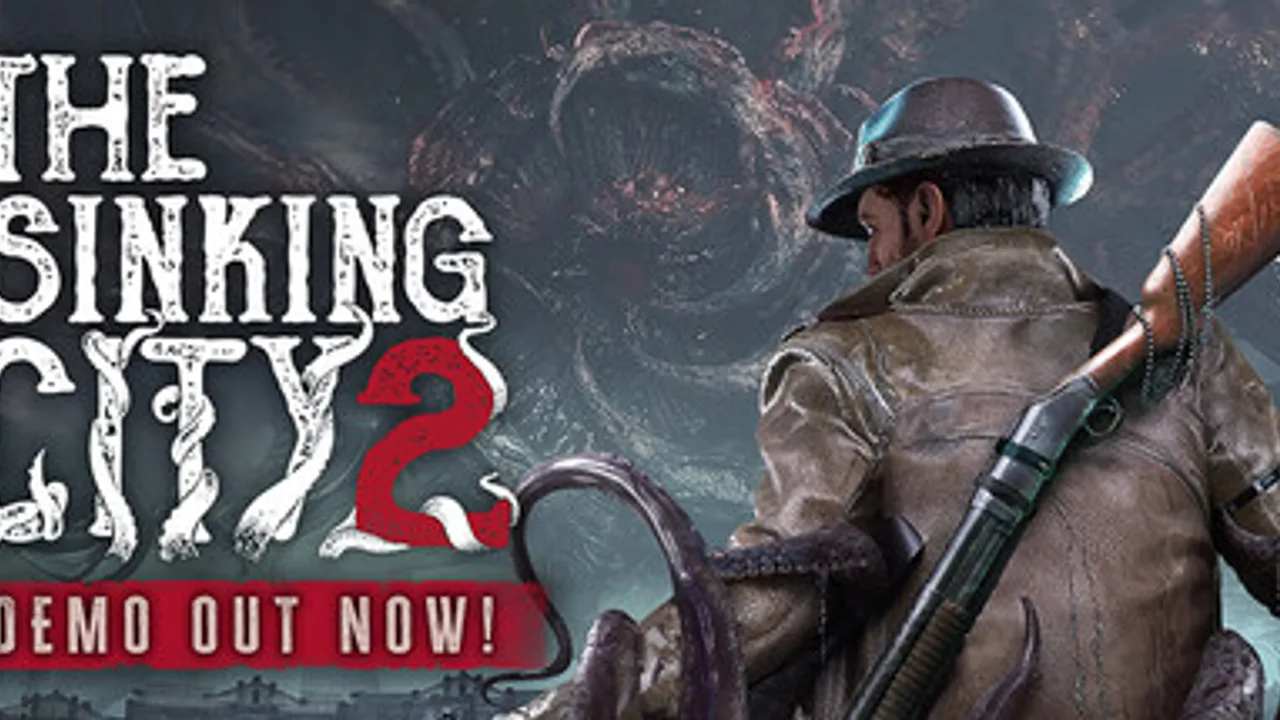
The Sinking City 2 successfully launched on August 18, 2026, marking a definitive and highly praised pivot for developer Frogwares. Leaving behind the action-adventure and detective-heavy focus of the 2019 original, the sequel fully embraced strict survival horror mechanics within the confines of a drowned Arkham. Now, just a little over a week post-launch, the conversation surrounding the game has evolved. During the Future Games Show at Gamescom, a surprising announcement expanded the game’s horizon: The Sinking City 2 is officially in development for Nintendo’s upcoming Switch 2 console, with a release targeted for 2027.
Meanwhile, the existing player base across PC, PlayStation 5, and Xbox Series X|S has been steadily dissecting the game’s intricacies. From community-developed quality-of-life mods addressing motion sickness to completionists mapping out optimal weapon routes, the community is highly active. Players are also reaching the game’s climactic finale, almost universally praising a narrative twist that stays true to its Lovecraftian roots while subverting standard genre expectations.
A Drowned Arkham Goes Portable: The Switch 2 Port
The most significant news of the week came out of the Future Games Show. Frogwares confirmed that The Sinking City 2 will be making its way to the Nintendo Switch 2 in 2027. This announcement is notable for several reasons, primarily because of the sheer technical weight of the game. Built entirely on Unreal Engine 5, the current-generation console and PC versions utilize advanced Lumen lighting, dense atmospheric fog, and complex water simulation to bring the flooded streets of Arkham to life.
Seeing this level of graphical fidelity scaled down for a portable system will be a major test of the Switch 2’s hardware capabilities. Players familiar with the system requirements for the PC version understand that rendering the undulating black waters and the grotesque anatomy of the Deep Ones requires substantial processing power. Frogwares will likely need to employ heavy optimization, potentially relying on the proprietary upscaling technology expected to be featured in Nintendo’s next platform, to ensure stable frame rates during frantic encounters.
A portable version of The Sinking City 2 offers a unique proposition for survival horror fans. The claustrophobic tension of navigating a rotting city, carefully monitoring ammunition, and guarding against the psychological toll of the horrors lurking in the dark is traditionally considered a large-screen, dark-room experience. Bringing that tension to a handheld format could introduce new ways to engage with the environment. While the 2027 release window means Nintendo fans have a long wait ahead of them, the confirmation alone proves that Frogwares sees this title as a long-term pillar for the studio.
Community Solutions: Addressing PC Motion Sickness
While console players look toward the future, the PC community has been hard at work addressing immediate technical hurdles. One of the most prominent complaints during the launch week involved the game’s default Field of View (FOV). Locked at a relatively narrow 80 degrees, the tight perspective—combined with the sway of the boat navigation and the cramped interiors of Arkham’s dilapidated manors—resulted in severe motion sickness for a vocal segment of the player base.
The lack of a native FOV slider was a frustrating omission, especially in a genre where spatial awareness is critical for survival. Fortunately, the modding community quickly provided a solution. A newly released fix on Nexus Mods allows players to bypass the default restrictions, expanding the FOV to a much more comfortable 100 degrees. Furthermore, the mod introduces proper support for 21:9 ultrawide monitors, allowing the grim vistas of the flooded city to stretch across the entire screen.
This simple adjustment dramatically changes the feel of the game. An expanded FOV not only alleviates physical discomfort but also provides a slight tactical advantage. When facing off against erratic enemies that attack from multiple angles, having wider peripheral vision is a massive benefit. It allows players to better track the swift, unpredictable movements of horrors without constantly panning the camera, preserving precious seconds in life-or-death encounters.
The 11-Hour Hard Mode and a Masterful Twist
As the initial launch week rush subsides, a consensus regarding the game’s length and pacing has firmly formed. Unlike its 2019 predecessor, which occasionally suffered from open-world bloat and repetitive side investigations, The Sinking City 2 is a remarkably tight, focused experience. Players tackling the game on the demanding “Hard” difficulty report an average completion time of around 11 to 12 hours.
This runtime is being heavily celebrated by survival horror purists. It represents a perfectly paced descent into madness, where every hour introduces new threats and escalating stakes without overstaying its welcome. The game consistently rewards meticulous exploration and punishes recklessness, creating a loop where players must constantly weigh the risk of investigating a pitch-black alley against the potential reward of finding a single medical kit.
Perhaps the most universally praised aspect of the campaign is its narrative execution. Frogwares has managed to craft a story that deliberately distracts the player with immediate, tangible threats—managing health, repairing weapons, surviving the next encounter—only to execute a massive late-game twist. The revelation recontextualizes the entire journey. It is a subtle, creeping realization rather than a forced cinematic shock, proving that the writers deeply understand the core of cosmic horror.
Furthermore, the final boss encounter is drawing positive comparisons to classic genre staples. Instead of a scripted, gimmick-heavy set piece, the finale is reportedly a grueling test of the player’s accumulated skills, demanding mastery of dodging, resource management, and situational awareness.
Critical Arsenal Upgrades and Environmental Puzzles
The steep difficulty curve of The Sinking City 2 makes finding hidden weapons and upgrades absolutely essential. The community has been rapidly documenting the optimal routes to secure these lifelines. One of the most sought-after early game weapons is the Field Surgeon shotgun. Located in Chapter 2, acquiring this weapon requires players to navigate a blocked canal and solve a multi-step crane puzzle involving a massive dead whale carcass. The shotgun is indispensable for close-quarters crowd control, though shells remain painfully scarce throughout the campaign.
Another highly discussed secret is located in the Fish Market. Players who take the time to explore the locker room will find a safe containing a crucial Grenade Launcher modification. Opening it requires piecing together environmental clues from notes scattered around the market, specifically deducing that the final digit of the code cannot be 16, and must end in a 6.
These environmental puzzles are a highlight of the sequel. They require genuine deduction rather than simply following a waypoint marker. From jumpstarting the generator for the ventilation system in Devil’s Reef to rescue Lorelei, to realigning the enigmatic Alien Device in the final hours of the game, the puzzles organically integrate into the world. They force the player to engage with their surroundings, heightening the tension as they remain vulnerable to attacks from creatures like the Slither while trying to decipher cryptic mechanisms.
The final puzzle of the game, known as the Alien Device, exemplifies this design philosophy. Situated just before the climactic boss encounter, the device requires players to rotate multiple geometric segments to align a series of alien symbols. It is a stark departure from the mechanical cranks of the early game, visually reinforcing the narrative shift from grounded urban decay to incomprehensible extraterrestrial geometry. For players struggling with the intense resource economy, mastering these encounters and unlocking secret caches is non-negotiable. Those looking to optimize their loadouts should consult a dedicated combat guide to ensure they are utilizing their hard-earned ammunition effectively.
Looking Ahead
The first week of The Sinking City 2 has proven that Frogwares made the right call in shifting to pure survival horror. The community’s enthusiastic engagement—from creating essential PC mods to deciphering complex puzzles and praising the narrative depth—indicates a strong, healthy player base. With the promise of a Nintendo Switch 2 version on the horizon for 2027, the nightmare of a drowned Arkham is far from over. As more players step into the flooded streets, the game’s reputation as a modern Lovecraftian standout only seems to grow.