The Sinking City 2 Community Verdict: A Divisive 12-Hour Survival Horror Pivot
With players finishing the campaign over the launch weekend, The Sinking City 2's shift to a linear Resident Evil-style survival horror experience is splitting the community.
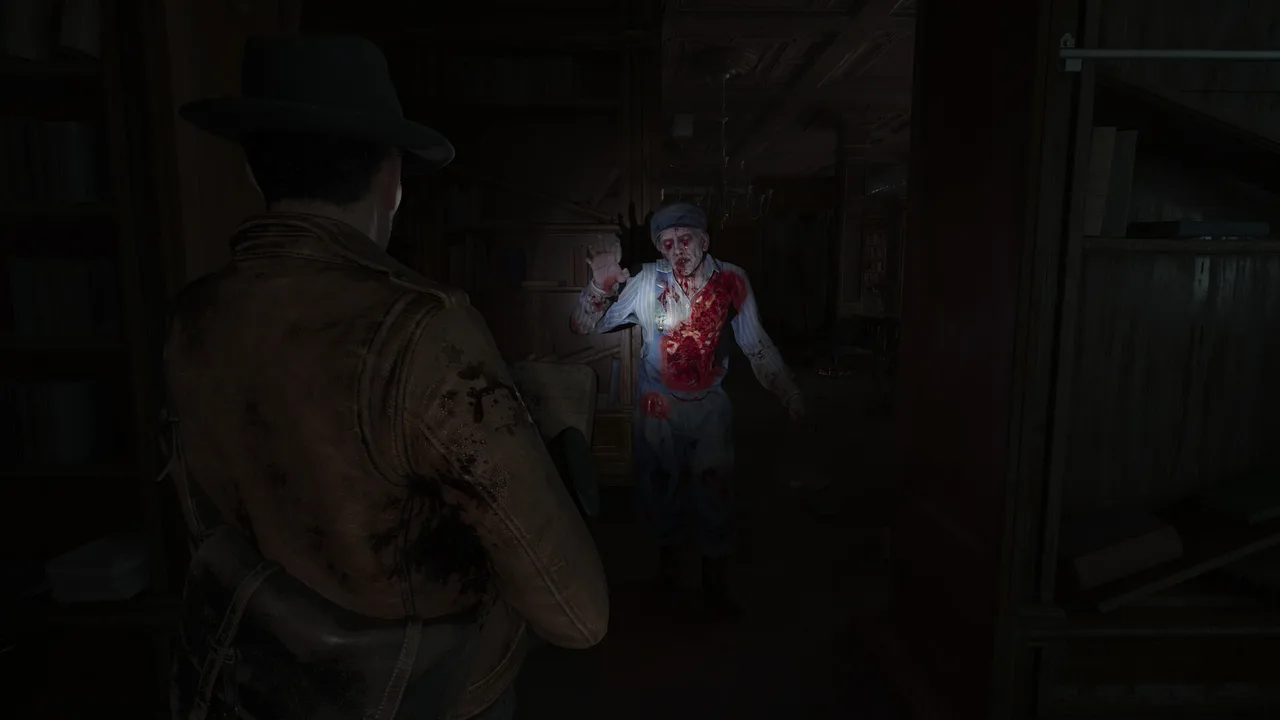
The launch weekend for The Sinking City 2 has come to a close, and a significant portion of the player base has already navigated the treacherous, flooded streets of Arkham to reach the game’s conclusion. Developed by Frogwares and successfully backed via Kickstarter, the highly anticipated sequel made no secret of its major design shift leading up to its August 18, 2026 release. It promised a grueling, Unreal Engine 5-powered survival horror experience, deliberately moving away from the heavy detective and investigation focus of the 2019 original game.
Now that the community has had the chance to experience the full campaign, the verdict is in—and it is arguably one of the most polarizing releases of the year. From debates over the reported 12-hour campaign length to fierce discussions about the “Resident Evil clone” combat mechanics, the community is split right down the middle. For some, it is a masterclass in modern action-horror; for others, it represents a departure from the unique Lovecraftian identity that made Frogwares’ previous titles so beloved.
The 12-Hour Journey: Pacing and Campaign Length
One of the most heavily discussed topics emerging from community forums and Reddit threads is the game’s overall length. Multiple players who binged the title over the weekend have reported that a standard playthrough of The Sinking City 2 takes approximately 12 hours to complete.
For a linear survival horror game, a 12-hour runtime is remarkably standard—landing right in the sweet spot occupied by genre titans like Dead Space or the recent Resident Evil remakes. However, for returning fans who spent anywhere from 30 to 40 hours exploring every nook and cranny of Oakmont in the first game, this streamlined approach has been jarring.
The pacing of this 12-hour journey is relentless. Rather than spending hours piecing together clues on an investigation board or interviewing uncooperative locals, players are constantly pushed forward to manage their dwindling resources, maintain their sanity, and survive brutal encounters. The shorter runtime ensures that the tension rarely drops, but it also means that the narrative breathes a bit less. The narrative urgency forces players to prioritize survival over lore-hunting, marking one of the most significant biggest gameplay changes the franchise has seen.
From Open World to Linear “Combat Rooms”
The structure of the drowned city of Arkham is perhaps the most divisive element among early adopters. The 2019 original was characterized by its open-world design, allowing players to freely boat across a sprawling, albeit somewhat empty, cityscape. The Sinking City 2 takes a drastically different approach.
According to disappointed community members, the flooded Arkham serves less as a cohesive open world and more as atmospheric connective tissue between highly structured encounters. Players have described the level design as a series of “predictable combat rooms” connected by elementary puzzles. Boating around the flooded streets offers a few breathtaking Unreal Engine 5 vistas, but the exploration is reportedly much narrower.
For traditional Lovecraft fans who relished the weirdness, the sub-races, and the deep, immersive world-building of the first game, this linearity feels restrictive. Critics within the community argue that the game sacrifices its unique investigative identity to become a “bad imitation” of standard survival horror staples. The transition from an open-ended detective simulator to a claustrophobic gauntlet of monsters has left some players longing for the days of meticulously mapping out Oakmont.
The “Resident Evil” Influence: A Double-Edged Sword
You cannot browse a discussion thread about The Sinking City 2 without seeing the term “RE clone.” Frogwares explicitly stated they were pivoting to a hardcore survival horror model, and they have absolutely delivered on that promise—for better or worse.
For players who adore resource management, tense gunplay, and strategic retreats, this pivot is a massive success. The combat is weighty, ammunition is painfully scarce, and the enemy designs are grotesque. Encountering the aquatic monstrosities requires tactical thinking. You cannot simply run and gun; you must understand the anatomical weak points of the Deep Ones and precisely manage your spacing when ambushed by the erratic movements of the Slither.
Fans of this new direction have been overwhelmingly positive, with some declaring it “one of the best action survival horror games ever made.” These players praise the palpable dread of turning a corner with only three revolver bullets left and a sanity meter plunging into the red. However, even the most ardent defenders have noted that the game occasionally relies on overwhelming the player, with some encounters reportedly featuring “a tad too many enemies in one room,” leading to frustrating difficulty spikes rather than organic tension.
Calvin Rafferty and the Sanctuary of the Safe Room
Amidst the divisive opinions on level design and combat, there are two elements that almost the entire community seems to agree on: the strength of the new protagonist, Calvin, and the phenomenal atmosphere of the game’s safe rooms.
Calvin has been praised as a deeply grounded and compelling lead. His descent into the flooded nightmare of Arkham feels personal and desperate, providing a strong emotional anchor for the unrelenting horror. Unlike the somewhat detached, analytical approach of previous Frogwares detectives, Calvin reacts to the visceral terror of the Mythos in a way that resonates with players enduring the gauntlet alongside him.
Furthermore, the implementation of safe rooms has been universally lauded. In true survival horror fashion, the safe room is a sacred space. The community has specifically highlighted the dynamic, evolving soundtrack that plays within these brief havens. The safe room music reportedly changes and progresses as you push deeper into the campaign, offering a brilliant auditory reflection of Calvin’s deteriorating mental state. It provides a crucial psychological respite before players are forced to plunge back into the dark, watery depths of the city.
Next-Gen Exclusivity and Uncovering Arkham’s Secrets
Another lingering point of contention over the launch weekend has been the game’s platform availability. The Sinking City 2 is built from the ground up on Unreal Engine 5, completely abandoning the previous console generation. While this has allowed Frogwares to render the decaying, aquatic ruins of Arkham with stunning fidelity, a vocal segment of the community continues to express disbelief and frustration that the game is not available on the PS4 or Xbox One. The demanding technical requirements of the water physics, volumetric fog, and complex lighting systems simply mandated the next-gen leap, but it has undeniably left some older hardware owners feeling stranded.
For those who have made the technological leap, the detailed environments are hiding a wealth of disturbing secrets. Despite the complaints about linearity, observant players are already finding hidden lore and bizarre easter eggs. For instance, community members have reported discovering a highly missable, hidden door located in the basement of The Hospital Grounds. Those who managed to bypass the locks were greeted by a disturbing room filled with “abnormal brains,” heavily hinting at the darker, surgical horrors that took place before the floodwaters rose. It is these small, optional discoveries that reward players willing to risk their sanity and remaining ammunition to explore off the beaten, linear path.
A Bold, Unapologetic Mutation
The Sinking City 2 is not the game that some fans of the original wanted, and Frogwares makes no apologies for it. The studio took a massive risk by using their Kickstarter funding to completely overhaul the franchise’s DNA, transforming a slow-burn detective RPG into a high-octane, claustrophobic nightmare.
If you are approaching this sequel hoping to leisurely catalog evidence and solve intricate murder mysteries across an open city, the 12-hour, combat-heavy campaign will likely leave you frustrated. The flooded streets of Arkham are not a puzzle to be solved; they are a hostile environment designed to drain your resources and test your reflexes.
However, if you are a fan of traditional survival horror who craves the tension of managing limited inventory space, the relief of hearing a safe room theme, and the sheer terror of facing down eldritch abominations with a handful of shotgun shells, The Sinking City 2 delivers a distinct, beautifully grim experience. The community verdict is split, but one thing is certain: Frogwares has successfully dragged the franchise into terrifying new waters.