The Sinking City 2 vs. The Original: Biggest Gameplay Changes and the Evolution of Eldritch Horror
Explore the biggest mechanical changes in The Sinking City 2. From a refined combat system and new Deep Ones encounters to the balance of action and dread in drowned Arkham.
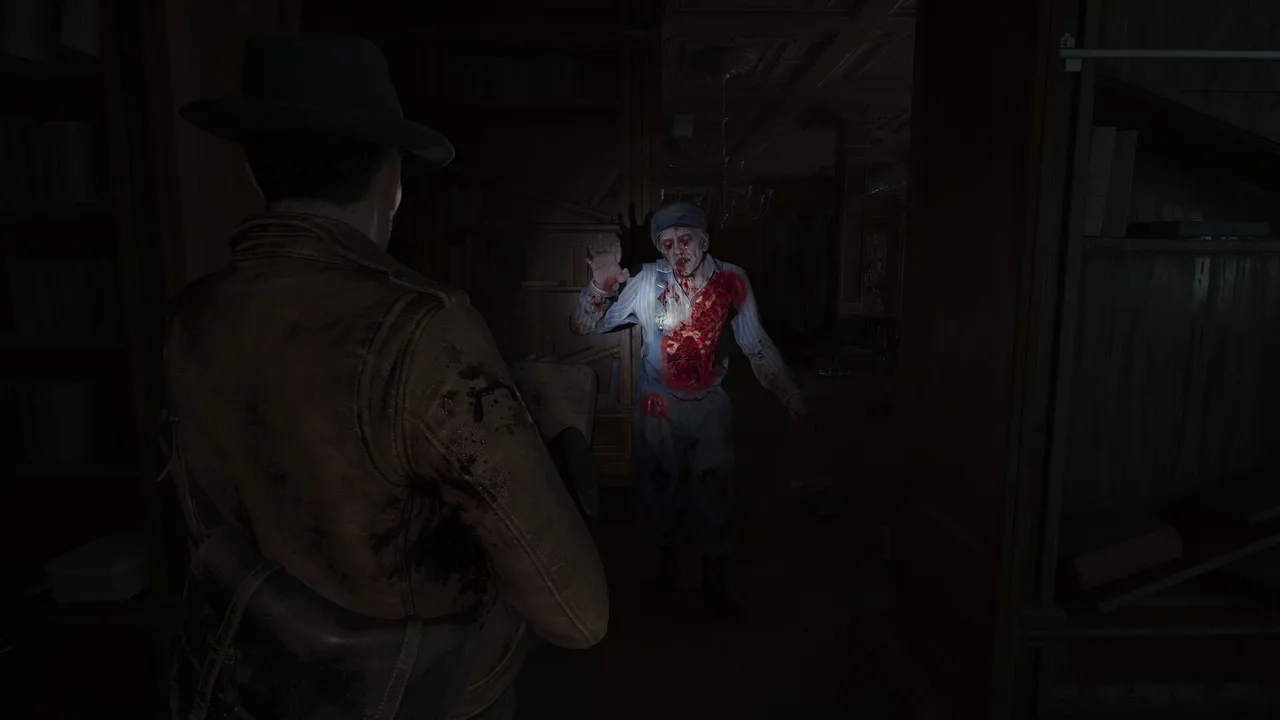
The Sinking City 2 is rapidly approaching its highly anticipated August 18, 2026 release date, and community chatter across platforms is reaching a fever pitch. Arriving on PC (via Steam, Epic Games Store, and GOG), PlayStation 5, and Xbox Series X|S, the upcoming title from Frogwares has completely overhauled its gameplay identity. Recently, major outlets like GamingBolt have highlighted as many as 15 huge changes compared to the original 2019 game, while publications like Spiel Times are questioning a fundamental design shift: with the game turning up the action, can the psychological dread truly survive?
It is a valid concern for any survival horror fan. Moving away from the heavily deduction-based, detective-focused pacing of the original The Sinking City, this Unreal Engine 5-powered sequel drops players into a fully realized, drowned version of Arkham. Funded partially through a successful Kickstarter campaign, Frogwares is leaning heavily into resource scarcity, intense enemy encounters, and visceral gunplay. We are examining exactly how these massive changes impact the core experience, how the action balances with the oppressive Lovecraftian atmosphere, and what players should realistically expect when they set foot in the flooded streets this August.
Leaving Oakmont Behind: The 15 Huge Changes
To understand where The Sinking City 2 is heading, it is essential to look at where the franchise started. The 2019 original was set in the isolated city of Oakmont, Massachusetts, and functioned primarily as an open-world detective game. Players spent the majority of their time analyzing crime scenes, interviewing suspicious locals, and piecing together clues on a dedicated investigation board. Combat existed, but it was largely secondary to the cerebral puzzle-solving and narrative exploration.
According to recent deep-dives outlining the top 15 changes, the sequel introduces a staggering number of fundamental mechanical shifts, effectively tearing down the old framework and building a pure survival horror experience from the ground up. The most obvious change is the setting. We are no longer navigating the relatively dry streets of Oakmont; instead, players are thrust into a meticulously crafted, perpetually flooded Arkham. The Unreal Engine 5 aesthetic brings a terrifying, gritty realism to the rotting wood, the murky waters, and the decaying Gothic architecture.
This shift in genre means that the overall pacing is entirely different. Instead of a slow burn of dialogue and clue-hunting, players will be constantly on the move, scavenging for scattered ammunition, managing a highly restrictive inventory, and avoiding direct confrontation when possible. Frogwares has explicitly stated their intention to prioritize tension and survival. Because of this dramatic pivot, many fans have wondered how connected the narrative will be to the first installment. If you are unsure about continuity, checking do you need to play the first game will clarify how the developers are handling the standalone nature of this new nightmare.
The structural changes also extend to how the world is navigated. While the original featured a sprawling but somewhat static open world, drowned Arkham is expected to be more hostile and dynamic. Navigating via boat is reportedly not just a simple method of getting from point A to point B; it is a tense traversal over deep, dark waters where eldritch horrors lurk just below the surface. The environmental hazards, combined with the dense fog and dynamic lighting, ensure that exploration is always fraught with peril.
Turning Up the Action: The Delicate Balance of Survival Horror
A recent piece by Spiel Times raised an important question regarding the upcoming release: as the game turns up the action, can the dread survive? Historically, in the survival horror genre, giving the player too much firepower or focusing too heavily on smooth combat mechanics can unintentionally strip away the feeling of helplessness that defines horror. When a protagonist transforms from a vulnerable survivor into an action hero, the monsters stop being terrifying and simply become moving targets.
Frogwares seems acutely aware of this trap. While the combat system has been entirely rebuilt from the ground up to be more fluid, responsive, and impactful, it is reportedly counterbalanced by extreme resource scarcity. You might eventually gain access to a reliable revolver, a hunting rifle, or a heavy-hitting shotgun, but finding the ammunition to keep them loaded will be a constant, grueling struggle. This creates a frantic, desperate style of engagement where every trigger pull must be calculated.
Every encounter in drowned Arkham is expected to demand tactical thinking rather than run-and-gun reflexes. Players will need to weigh the cost of engaging an enemy against the potential rewards of exploring an optional ruined building. Can you afford to spend three precious bullets on a shambling horror, or is it better to try and slip past it in the shadows? The developers are implementing a modernized combat loop that emphasizes targeting specific appendages to slow enemies down or exploit anatomical vulnerabilities. Understanding these mechanics will be crucial, and mastering the nuances of combat and weak points will likely be the difference between life and death in the later stages of the game.
The increased action also translates to much more aggressive enemy AI. The creatures in this sequel are not designed to be slow-moving damage sponges. They are reportedly built to flush the player out of cover, pursue them relentlessly through flooded interiors, and attack from unexpected, vertical angles. This level of constant pressure ensures that even if you have a loaded weapon, the dread remains intact because a single tactical mistake can lead to a rapid demise.
Confronting the Abyss: Deep Ones and The Slither
The deliberate decision to escalate the combat complexity naturally requires a roster of enemies that can continually challenge the player. The Sinking City 2 draws deeply from the established Cthulhu mythos to populate its ruined streets, and the confirmed bestiary is looking far more lethal than anything previously encountered.
At the forefront of this aquatic threat are the Deep Ones. These humanoid, fish-like abominations are practically synonymous with Lovecraftian lore, and their widespread presence in the flooded districts of Arkham is terrifyingly appropriate. Community reports and early gameplay breakdowns suggest that the Deep Ones are agile, vicious, and entirely at home in the submerged environments. They can reportedly ambush the player from the murky depths, attempting to drag them off boats or swarming them in half-flooded basements. Engaging them requires quick reflexes and a solid understanding of crowd control, as they are rarely expected to attack alone.
Alongside the Deep Ones, players will have to contend with grotesque, twisted entities like the Slither. While official details on the full extent of the Slither’s combat mechanics are still being kept under wraps by the developers, the community widely expects these creatures to rely heavily on stealth, erratic movements, and psychological terror. The physical design of these monsters aims to trigger a primal sense of disgust. The wet, glistening textures of their skin and the unnatural, jerky ways their bodies contort will make every encounter visually disturbing.
Because your ammunition is so scarce, players will likely have to rely heavily on environmental traps, stealth mechanics, and desperate, unpolished melee strikes to fend off these creatures. The focus is always on survival, not extermination. You are not a super-soldier clearing Arkham of its monstrous infestation; you are simply an investigator trying to live long enough to uncover its darkest secrets.
The Cost of Survival: Sanity and Psychological Toll
Physical health and bullet counts are only one aspect of survival in Frogwares’ twisted universe. The Sinking City 2 sees the triumphant return of the franchise’s signature Sanity system, and it is expected to be more deeply integrated with the moment-to-moment combat than ever before.
In the overarching Lovecraftian mythos, simply gazing upon the impossible architectures of cosmic deities or witnessing the grotesque anatomy of an eldritch horror takes a severe, immediate toll on the human mind. This psychological degradation is mechanically represented in the game engine. When your character faces horrifying situations or stares too long at the abyss, their grip on reality rapidly loosens. The screen may warp, terrifying auditory hallucinations will plague your audio mix, and the environment itself might seemingly alter its geometry to trap you.
The interplay between the newly upgraded action mechanics and the returning sanity and mind systems creates a uniquely punishing feedback loop. If you panic during a firefight and miss your shots, the prolonged exposure to the monsters drains your sanity faster. As your sanity drops, your vision blurs and the world distorts, making it even harder to aim, which in turn leads to more missed shots and further panic. Managing your mental state is expected to be just as critical as managing your health kits and shotgun shells.
There are reportedly specific consumable items and rare safe zones that can help restore a fractured mind, but they are expected to be just as scarce as bullets. This duality—fighting the external, physical threats of the Deep Ones while simultaneously battling the internal collapse of the protagonist’s mind—is exactly how The Sinking City 2 plans to maintain its oppressive dread despite giving the player more ways to fight back.
The August 2026 Landscape
As the August 18 release date approaches, the excitement across gaming communities is palpable. Reddit threads and community forums discussing the biggest games of August 2026 frequently position The Sinking City 2 as a dark horse that could redefine the modern survival horror landscape. Slotted alongside other major upcoming releases like the Mafia: The Old Country DLC and Grounded 2, this grim return to Arkham offers something uniquely cerebral and unapologetically terrifying.
Frogwares has taken a massive gamble by completely altering the fundamental DNA of their 2019 title. By shedding the slow-paced detective framework and fully embracing the desperate, high-stakes tension of survival horror, they are courting a brand new audience while promising long-time fans a more polished, terrifying experience. The shift toward action does not appear to be a concession to mainstream trends, but rather a deliberate, calculated tool used to heighten the stakes. When every bullet is a precious commodity and every shadow could hide a sanity-draining nightmare, the upgraded combat doesn’t diminish the dread—it amplifies it.