The Sinking City 2 is Out Now: Review Roundup and the Survival Horror Shift
The Sinking City 2 has officially launched on PC, PS5, and Xbox. Read our review roundup covering the shift to true survival horror and the standalone story.
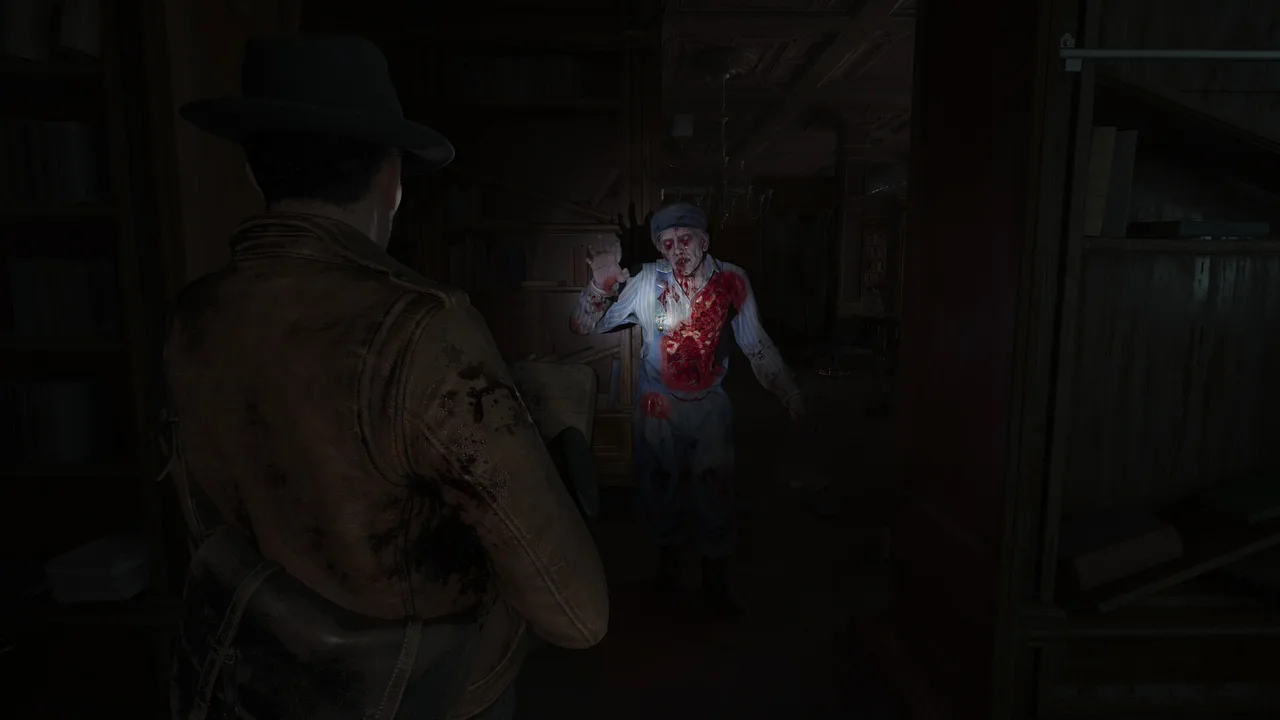
The long wait is finally over. On August 18, 2026, Frogwares officially released The Sinking City 2 across PC (Steam, Epic, GOG), PlayStation 5, and Xbox Series X|S. This marks a monumental day not just for fans of Lovecraftian fiction, but for the survival horror genre as a whole. Powered by Unreal Engine 5, the game leaves behind the sprawling, sometimes empty open world of its 2019 predecessor in favor of a meticulously crafted, claustrophobic nightmare set within the flooded streets of Arkham.
For players wondering what to expect as they boot up the game for the first time, the message from both the developers and early critics is clear: this is a demanding, resource-lean fight for survival. The days of acting solely as a passive detective piecing together mind palaces are gone. Instead, players must manage a highly restricted inventory, conserve precious ammunition, and decide when to stand their ground against otherworldly abominations and when to run.
The Shift to True Survival Horror
When Frogwares first announced The Sinking City 2, the studio made a bold declaration that the franchise was fundamentally changing genres. The original game, while steeped in excellent atmosphere, was primarily an investigation game. Players spent hours wandering the streets of Oakmont interviewing NPCs, connecting clues on a deduction board, and occasionally engaging in clunky combat encounters.
The sequel completely inverts this formula. According to the official Steam launch announcement, the experience is defined as “deliberate, tense, and resource-lean.” The developers emphasize that pressure constantly builds as you push deeper into the submerged districts of Arkham. Relief is no longer found by fast-traveling across a massive map; it comes only in the form of brief refuges and safe rooms discovered after harrowing encounters.
This pivot aligns the game much closer to the modern Resident Evil remakes or the Dead Space franchise. Inventory management is a core pillar of the gameplay loop. Players cannot carry an endless arsenal of weapons and medical supplies. Every single healing item and shotgun shell takes up valuable grid space, forcing agonizing decisions before stepping out of a safe zone. Do you bring extra ammunition to clear out a nest of Deep Ones, or do you leave slots open to haul back critical upgrade materials and quest items?
Furthermore, the game relies heavily on interconnected level design. The flooded environments are packed with unnerving puzzles and locked doors that eventually loop back to central hubs. Opening a shortcut after surviving a desperate firefight provides a massive dopamine rush, ensuring that the exploration feels consistently rewarding. If you are struggling to adapt to this punishing new reality, studying up on the survival basics is highly recommended before venturing too far from the starting area.
Critical Consensus: A Triumph of the Genre
With the embargo lifting, the critical reception for The Sinking City 2 has flooded the internet, and the consensus is overwhelmingly positive regarding the new direction. Reviewers have highlighted that shedding the open-world bloat was the best decision Frogwares could have made for the franchise.
DualShockers published a glowing assessment, calling the release “A Triumph of Survival Horror.” The review noted that despite the studio having virtually no prior experience in creating a pure, action-oriented survival horror game, they managed to craft their greatest work yet. By tightening the scope and focusing entirely on atmosphere, resource scarcity, and pacing, the developers delivered an experience that keeps players on the edge of their seats from the opening cinematic to the final credits.
Other outlets shared similar sentiments. GameSpew praised the title as a “great survival horror,” explicitly pointing out that toning down the investigation elements was a necessary sacrifice that paid off tremendously. Eurogamer echoed this, observing that the game ditched the slower, investigation-heavy mechanics for a classic survival loop, ultimately deciding that the franchise is much better off for it. Reviews highlighted specific elements like the intricate “Printing Press Puzzle,” proving that while the genre has shifted, the studio’s talent for crafting engaging brain-teasers remains entirely intact.
This universal praise validates the massive risk Frogwares took. Changing the entire mechanical foundation of a successful IP is rarely easy, but the result is a sequel that surpasses the original in almost every metric of tension and player engagement.
Navigating the Drowned City of Arkham
The setting of 1920s Arkham provides a deeply unsettling backdrop for this new nightmare. Unlike Oakmont, which suffered from a mysterious flood but maintained some semblance of a functioning society, Arkham feels like a city already claimed by the abyss. The rising waters have submerged entire neighborhoods, forcing players to navigate the rotting gothic architecture via small boats and precarious walkways.
The waters themselves are extremely hazardous. Players are not alone in the dark canals. Grotesque creatures lurk just beneath the surface, waiting to drag the unwary down into the depths. This environmental hostility ensures that even the simple act of moving from one building to the next is fraught with danger.
When on foot, the combat mechanics demand precision and a cool head. Weapons hit hard, but ammunition is incredibly scarce. Players must learn to target specific weak points on monstrosities to conserve bullets. The environment can sometimes be used to your advantage, but more often than not, a tactical retreat is the smartest option. For those who want to master the gunplay and understand the exact capabilities of the 1920s arsenal, consulting a comprehensive combat guide will save you from seeing the game over screen repeatedly.
Additionally, the Sanity system makes a triumphant return, but it has been reworked to fit the survival horror framework. Witnessing horrific events, gazing too long at eldritch entities, or spending too much time in absolute darkness will warp your character’s mind. The visual and auditory hallucinations that follow are not just cosmetic; they actively hinder your ability to survive, blurring the line between reality and madness.
A Standalone Nightmare
One of the most common questions circulating in community forums on launch day is whether newcomers can jump straight into this game without playing the 2019 original. The answer is a definitive yes.
Frogwares has explicitly stated that The Sinking City 2 features a completely standalone story. It features a new protagonist, a different city, and a separate narrative arc. While veteran players might catch a few subtle nods or easter eggs referencing Charles Reed’s time in Oakmont, no prior knowledge of the lore is required to understand the plot. If you are still hesitant, you can read more about do you need to play the first game to put any lingering concerns to rest. This clean slate allows the developers to introduce the horrors of the Cthulhu Mythos to a brand new audience without bogging them down in extensive backstory.
The $49.99 Price Point and Frogwares’ Resilience
Perhaps the most remarkable aspect of The Sinking City 2 is the story of its creation. Frogwares is based in Kyiv, Ukraine. The entire development cycle of this game took place amidst the ongoing realities of war. The studio faced power outages, relocations, and the constant psychological toll of the conflict.
Before development even began, Frogwares had to fight a gruelling, multi-year legal battle against a former publisher just to retain the rights to their own intellectual property. After securing the IP, they turned to Kickstarter to help fund the sequel, and the community rallied behind them, providing the financial stability needed to bring this vision to life using the cutting-edge Unreal Engine 5.
Despite these immense hurdles, and despite delivering a polished, highly-rated experience that rivals major studio releases, Frogwares has chosen to launch the game at a standard price of $49.99 across all platforms. In an industry where $70 has rapidly become the accepted norm for AAA releases, this pricing strategy is incredibly refreshing. It reflects a studio that respects its community and is acutely aware of the economic realities facing gamers today.
By offering a superior, high-fidelity survival horror experience at a sub-AAA price point, Frogwares is not only rewarding the fans who supported them through their Kickstarter campaign but also removing a massive barrier to entry for curious newcomers.
Final Thoughts
The Sinking City 2 is a monumental achievement. It successfully sheds the uneven design of its predecessor to deliver a laser-focused, terrifying journey into madness. The critical acclaim it is currently receiving is well-deserved, proving that survival horror thrives when developers prioritize atmosphere, resource tension, and meaningful level design over sprawling map markers.
Arkham is calling. The floodwaters are rising. Equip your revolver, organize your inventory, and prepare to face the unknown. The eldritch horrors await, and this time, surviving them will require everything you have.