The Sinking City 2: Major Gameplay and Lore Details You Might Have Missed
Exploring easily overlooked details in The Sinking City 2, from Unreal Engine 5 sanity effects to survival horror combat nuances in drowned Arkham.
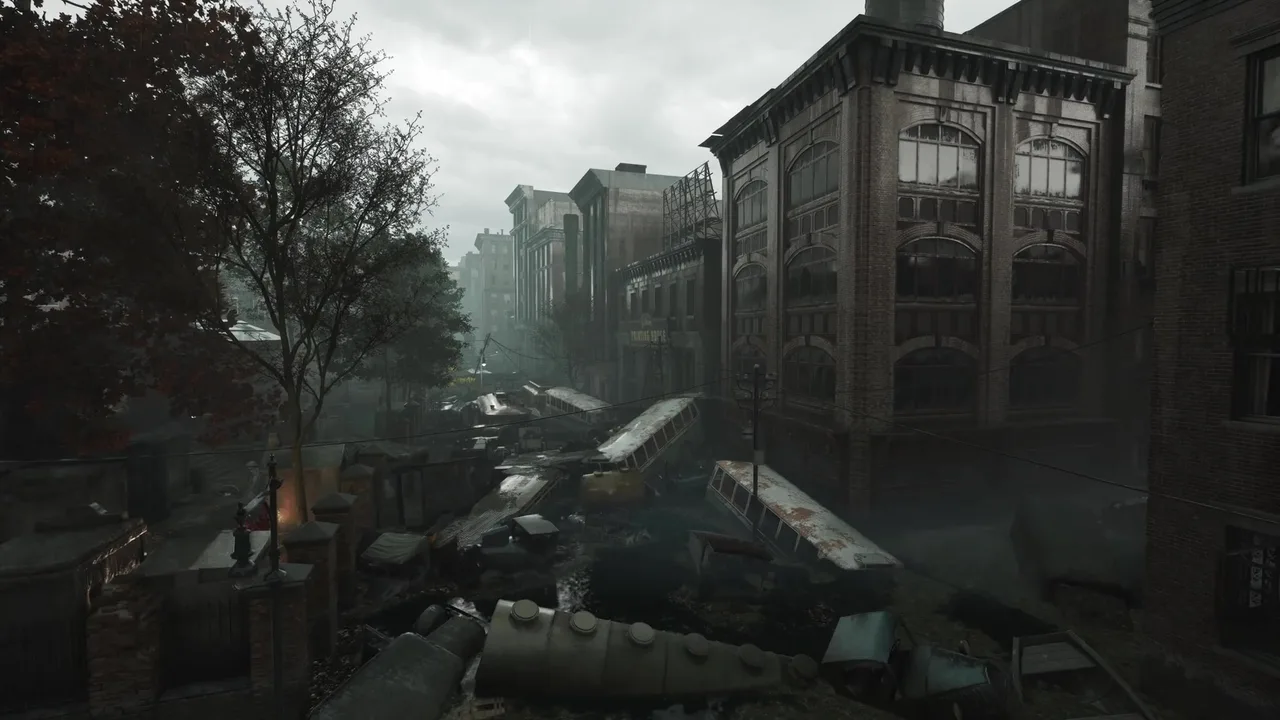
As we inch closer to the highly anticipated August 18, 2026 release of The Sinking City 2 on PC, PlayStation 5, and Xbox Series X|S, the community has been meticulously dissecting every piece of footage and promotional material released by developer Frogwares. Recently, a feature by GamingBolt highlighted numerous major details that fans might have overlooked in the flurry of recent trailers. For a game that marks a definitive shift from the detective-adventure focus of its 2019 predecessor to a full-blooded survival horror experience, these subtle elements are more than just visual flair—they are the core mechanics that will dictate how players survive the flooded, rotting streets of Arkham.
While the overarching narrative and the terrifying presence of Lovecraftian deities naturally command our immediate attention, the true horror often lurks in the game’s minute, systemic details. From the way the murky water reacts to your small boat to the subtle, creeping auditory hallucinations that signal a drop in sanity, Frogwares is clearly leveraging the power of Unreal Engine 5 to create an atmosphere of relentless dread. If you are looking for a broad overview of the game’s setting and confirmed features, you can check out our summary of everything we know. However, in this article, we will examine the granular, easily overlooked gameplay details that define this upcoming sequel and analyze what they mean for the moment-to-moment survival experience.
The Physics of the Flood: Navigating a Drowned City
One of the most striking visual elements of The Sinking City 2 is, unsurprisingly, the water itself. But it is not just a static texture plane that serves as a boundary between explorable zones. As noted in recent media deep dives, the floodwaters of Arkham are dynamic, heavy, and treacherous. The Unreal Engine 5 implementation allows for realistic fluid dynamics, meaning that the water reacts accurately to weather changes, floating debris, and the physical displacement caused by the player’s boat.
This is a significant departure from the original game’s Oakmont setting, where boat travel, while incredibly thematic, often felt like a simple traversal mechanic. In the sequel, navigation appears to be fraught with environmental hazards. Players have noted how the water level seems to fluctuate subtly, potentially altering accessible routes dynamically. Shifting tides might reveal previously submerged entryways to abandoned buildings or conceal jagged wreckage that could damage your vessel. Furthermore, the dark waters are far from empty. The ripples and disturbances seen in gameplay footage suggest that aquatic predators are actively tracking the player beneath the surface. This turns navigation into a tense, active process where you must constantly scan the water’s surface for anomalies, ensuring that you are not being hunted while simply trying to cross a street.
Sanity as a Tangible, World-Altering Threat
The sanity system was a polarizing feature in the original game, sometimes resulting in abrupt visual screen distortions and phantom enemies that felt more like mechanical punishments than terrifying psychological events. Based on the latest materials and community observations, Frogwares has reportedly overhauled this mechanic entirely for The Sinking City 2, integrating it far more organically into the physical environment.
Instead of an arbitrary meter that just spawns aggressive ghost-like figures when depleted, the loss of sanity in this drowned Arkham is expected to alter the physical space around you. Subtle environmental changes—such as doors appearing where there were none, the architecture of a room shifting when you turn your back, or the geometry of a hallway stretching out unnaturally—have been spotted in recent gameplay clips. This approach to psychological horror leans heavily into the surrealism of H.P. Lovecraft’s original works, making the environment itself an unreliable narrator.
Moreover, the audio design plays a crucial role in this sanity degradation. Players might hear their limited ammunition clinking in their pockets when they know they are completely out, or hear the distinct, squelching footsteps of a monster that isn’t actually there. This creates a pervasive sense of paranoia, forcing players to second-guess their own senses. For those preparing to face these psychological terrors, understanding these mechanics will be vital, and we will be updating our sanity management guide as more concrete systems are officially confirmed.
Predators of the Abyss: Combat and Enemy Behavior
The explicit pivot to the survival horror genre means that combat in The Sinking City 2 is no longer about clearing out infested zones, but rather about desperate, skin-of-your-teeth survival. The recent GamingBolt feature pointed out several nuances in enemy behavior that indicate a significant leap in artificial intelligence and encounter design.
Take the Deep Ones, for example. In the footage shown thus far, these creatures do not simply rush the player in a predictable straight line. They have been observed utilizing the environment to their advantage, submerging into the flooded streets to flank the protagonist or leaping onto rotting rooftops to drop down from above. Their movements are erratic and twitchy, making them incredibly difficult to track in the dim, oppressive lighting of Arkham’s derelict buildings. Furthermore, there are hints of a pack mentality; if you engage one Deep One, it may emit a guttural call that draws others from the surrounding waters.
The combat encounters appear to be heavily designed around the concept of spatial awareness and positioning. The inclusion of a dedicated dodge or evade mechanic, as seen in recent clips, confirms that mobility is just as important as marksmanship. Every bullet fired must be calculated, as the recoil and weapon sway make consecutive shots highly inaccurate under pressure. If you want to survive these encounters, mastering the fundamentals outlined in our combat guide will be absolutely essential before you set foot in the city.
Scarcity and Real-Time Vulnerability
A true survival horror experience is defined by its resource management, and The Sinking City 2 appears to be leaning heavily into extreme scarcity and vulnerability. One of the most critical details spotted by eagle-eyed fans is the likely lack of pausing during inventory management. When the player character opens their satchel to combine items, craft makeshift bandages, or manually load a revolver, the world around them seemingly continues to move.
This real-time vulnerability transforms every quiet moment into a potential death trap. You cannot simply pause the game in the middle of a chaotic fight to casually apply a healing item. You must create distance, find a barricaded room, or hide in the shadows to tend to your wounds. The UI elements shown so far are minimalist, keeping the player fully immersed in the terrifying world. Ammunition is reportedly incredibly sparse, forcing players to scavenge thoroughly in dangerously dark environments, often weighing the risk of exploring a pitch-black basement against the potential reward of finding a few shotgun shells.
Additionally, the physical degradation of the character is expected to play a role in how you play. Limping animations, heavy breathing, and blood-soaked clothing are not just cosmetic effects; they are expected to affect your movement speed and stealth capabilities, potentially drawing enemies toward the scent of blood or the sound of your distress.
Environmental Storytelling Over Waypoints
Frogwares has always excelled at creating compelling, standalone narratives within their open worlds, but The Sinking City 2 seems to be deliberately stripping away modern gaming hand-holding. The UI appears remarkably clean, completely devoid of the clutter of mini-maps, compass markers, and constant objective pop-ups.
Instead, players will have to rely strictly on environmental storytelling and physical clues to navigate and solve mysteries. A blood trail leading to a barricaded door, desperate warnings carved into the wooden planks of a dock, or the specific glow of a cultist’s lantern in the thick fog will serve as your primary navigational aids. This organic approach to exploration forces the player to engage actively with the environment, studying the architecture and the layout of the drowned city to find their way. The game reportedly utilizes lighting and color theory—such as the sickly green hues associated with eldritch corruption or the warm, amber glow of a safe room—to subtly guide the player’s eye without relying on explicit UI prompts.
Looking Ahead to August 2026
As we continue to dissect the available footage and information, it is remarkably clear that The Sinking City 2 is shaping up to be a meticulously crafted nightmare. The shift to a pure survival horror framework, combined with the technological prowess of Unreal Engine 5, allows Frogwares to realize their vision of a truly terrifying, oppressive Lovecraftian world.
Every detail, from the fluid dynamics of the black water to the erratic flanking maneuvers of the Deep Ones, is designed to keep the player in a state of constant tension and vulnerability. While we eagerly await more hands-on impressions and official deep dives from the developers before the August 18, 2026 launch, the details we have uncovered so far paint a picture of a game that respects the intelligence—and the survival instincts—of its audience. We will continue to monitor all news, analyzing every shadow and ripple in the water, to keep you prepared for the horrors that await in flooded Arkham.