The Sinking City 2: Charles Reed's Fate and the 'Ex Oblivione' Connection
Community-reported findings in The Sinking City 2's Ex Oblivione mode suggest a shocking fate for the original game's protagonist. We examine the lore implications.
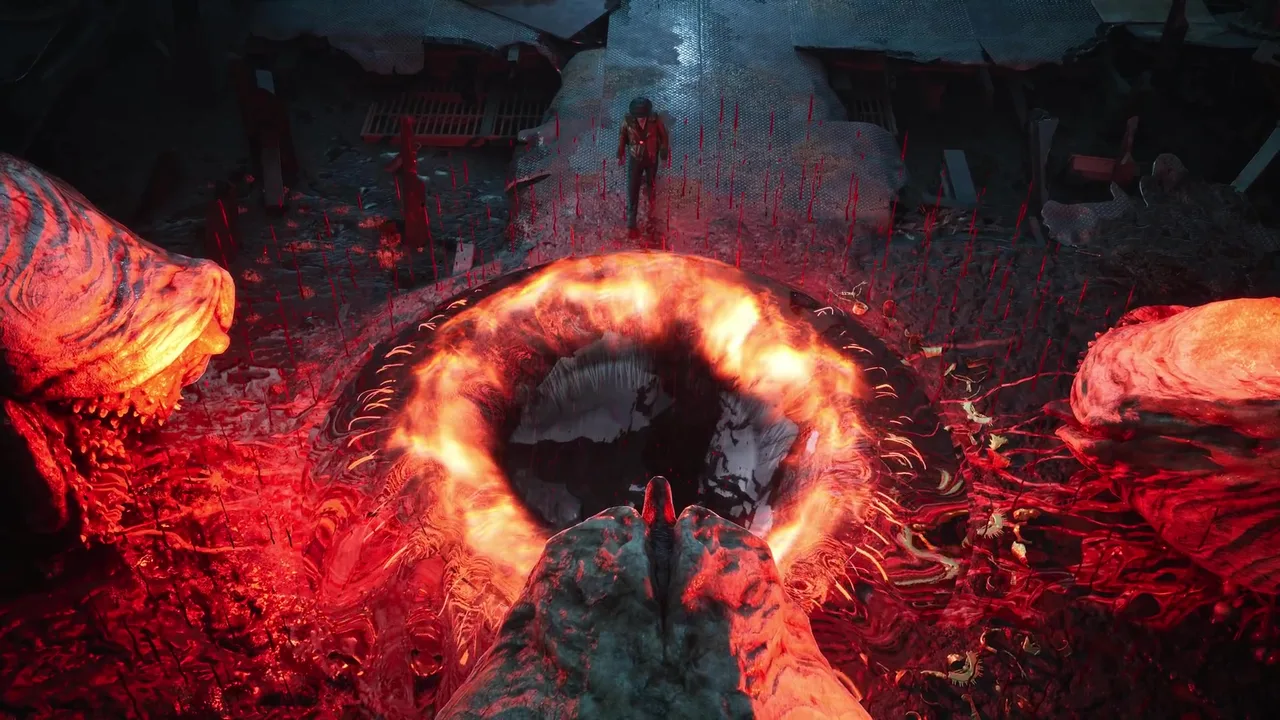
The Shadow of Oakmont in a Flooded Arkham
When Frogwares launched The Sinking City 2 on August 18, 2026, the studio made a highly publicized pivot. Leaving behind the sprawling, occasionally clunky open-world detective mechanics of the 2019 original, the sequel fully embraces a grueling survival horror philosophy. Built from the ground up in Unreal Engine 5, the drowned streets of Arkham offer an entirely different kind of nightmare compared to the foggy avenues of Oakmont. Here, ammunition is severely restricted, resource management is a constant struggle, and direct confrontations with monstrosities like the Deep Ones demand precision and nerve.
This drastic shift in genre priorities meant that narrative delivery also had to change. For veteran players of the original game, the most pressing question was never just about how the combat would feel, but rather how this new isolated nightmare connected to the broader Lovecraftian mythos Frogwares had established. As we observed in our analysis of The Sinking City 2 vs The Original, the sequel places far less emphasis on reading lengthy text documents in a safe police station, forcing players instead to piece together the narrative while wading through waist-deep, monster-infested waters.
Now, more than a month after release, the community has had the time to survive Arkham’s worst and dig deeply into the game’s more obscure content. According to recent community discussions, players exploring specific late-game modes have reportedly uncovered a massive lore revelation—one that directly answers a seven-year-old question regarding the fate of private investigator Charles Reed.
The Canonical Sacrifice of 2019
To understand the weight of this new discovery, we have to look back at the climax of the first game. The original The Sinking City featured multiple endings, leaving the ultimate canonical outcome ambiguous. After enduring relentless visions, unearthing ancient cults, and slowly losing his grip on reality in Oakmont, Charles Reed was faced with an impossible choice. One of the most haunting conclusions involved Reed choosing to sacrifice himself to the eldritch entity known as Cthylla, essentially offering his own body and mind to delay the apocalyptic cycle and prevent the immediate destruction of humanity.
For years, fans debated whether this bleak, self-destructive choice would be recognized as the true ending. Would Frogwares establish a connected universe, or would the sequel act as a complete thematic reboot? The Sinking City 2 features a completely new protagonist navigating the rotting remains of the United States in the 1920s, which initially led many to assume that Reed’s story was entirely discarded.
However, Lovecraftian horror rarely allows its victims the peace of a clean death. The transition to a pure survival horror format in Arkham provided the perfect, grim backdrop to reintroduce the consequences of Reed’s terrible sacrifice, tying the two seemingly disparate games into one cohesive, terrifying timeline.
Decoding the Ex Oblivione Mode Revelations
The connection between the two titles is not handed to the player on a silver platter. Instead, it is buried deep within the game’s supplementary content. Players hunting for Ex Oblivione lore trophies have reported stumbling upon environmental storytelling and obscure text fragments that point directly to Oakmont’s fallen investigator.
According to active threads on community forums, those who manage to survive the grueling challenges of the Ex Oblivione mode are rewarded with a chilling piece of narrative confirmation: Charles Reed is still “alive” after sacrificing himself to Cthylla.
This revelation has sent shockwaves through the lore-focused segment of the player base. The information is presented cryptically—typical for Frogwares—leaving the exact nature of his survival largely up to interpretation. The game does not feature Reed sitting in a tavern sharing war stories; rather, the term “alive” in the context of an eldritch god’s embrace is almost certainly a fate far worse than standard mortality. It is a community-reported detail that, while not yet mapped out in a sprawling official press release, heavily implies that the Cthylla sacrifice is the undisputed canon ending of the 2019 title.
What Does “Alive” Mean in a Lovecraftian Universe?
The immediate question sweeping the community is straightforward but horrifying: What exactly is Charles Reed now? If he gave himself over to an ancient cosmic entity to halt an apocalyptic cycle, his physical and mental form would inevitably be warped beyond human recognition.
In the lore of The Sinking City 2, Arkham is infested with horrific mutations. The Deep Ones roam the flooded districts, while newer monstrosities like the Slither ambush players from the dark waters. If Reed is bound to Cthylla, it is entirely possible that his consciousness is trapped within a mutated, undying vessel. Is he a Herald of the cosmic gods, forced to watch as the very horrors he tried to stop consume Arkham? Or has he been reduced to a mass of shifting flesh, incorporated into the corrupted architecture of the city itself?
Some community theorists suggest that Reed might be acting as a passive, suffering conduit. In Lovecraftian fiction, those who gaze too deeply into the abyss or attempt to bargain with the Outer Gods are frequently kept alive as agonizing monuments to human insignificance. The idea that the protagonist of a 30-hour detective RPG has been reduced to an eternal prisoner beneath the waves adds a profound layer of psychological dread to the new game.
Furthermore, this ties heavily into how the sequel handles mental degradation. Players familiar with the Sanity and Mind mechanics know that the new protagonist is constantly battling hallucinations, twisted reality, and horrific whispers. It remains unconfirmed, but highly plausible, that some of the cryptic whispers heard during intense sanity drops in the Ex Oblivione mode might actually be the fragmented, tortured warnings of Charles Reed echoing through the cosmic void.
Piecing Together Lore in a Hostile Environment
The way this information is delivered highlights the fundamental design shift between the two games. In the 2019 title, players had the luxury of pausing the action to connect literal dots. You could cross-reference notes, combine deductions, and safely arrive at a conclusion before stepping back into danger.
In The Sinking City 2, that safety net is gone. You are no longer primarily a detective; you are a survivor. The absence of a traditional, menu-driven Investigation Board means that discovering something as monumental as Reed’s fate requires acute observation while under extreme duress. You are reading bloody scrawls and deciphering ritualistic environments while actively counting your shotgun shells and listening for the splash of an approaching Deep One.
This method of storytelling ensures that lore is a hard-earned reward rather than a guaranteed narrative beat. The Ex Oblivione mode strips away narrative hand-holding, forcing players to earn the answers to the franchise’s biggest mysteries through sheer survival and combat prowess.
The Future of Frogwares’ Connected Universe
The apparent canonization of Charles Reed’s sacrifice represents a major milestone for Frogwares. By utilizing a post-game survival mode to bridge the narrative gap, the developers have established a connected, breathing Lovecraftian universe that respects the legacy of their first game while fully committing to the brutal mechanics of the sequel.
While we are still waiting for potential DLC or developer commentary to fully flesh out the specifics of Reed’s current biological state, the community-reported findings have injected a massive dose of tragic continuity into the flooded streets of Arkham. It proves that behind the scarce ammunition, the Unreal Engine 5 visual upgrades, and the terrifying monster encounters, the developers are still deeply invested in the long-term, cosmic tragedy of their characters. For those brave enough to push through the horrors of the Ex Oblivione challenges, the drowned city holds secrets that prove some nightmares truly never end.