The Sinking City 2: Why Rushing Investigations Costs You Crucial Talent Points
Discover why brute-forcing safes and rushing clues in The Sinking City 2 can lock you out of essential talent points needed to survive flooded Arkham.
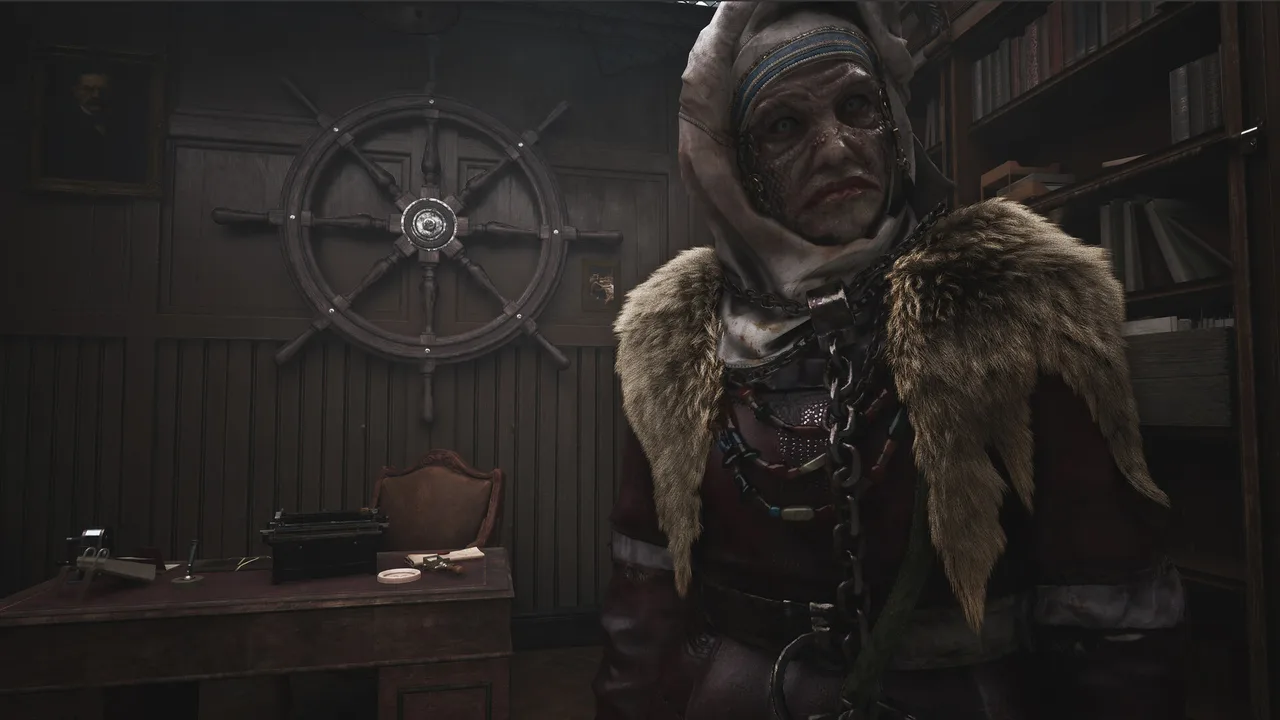
Frogwares has always been synonymous with intricate detective mechanics, having built their reputation on the acclaimed Sherlock Holmes series and the original 2019 Lovecraftian adventure. However, the highly anticipated sequel represents a massive paradigm shift. By leaning heavily into the survival horror genre, the studio has completely recontextualized what it means to be an investigator. You are no longer just a private eye wandering relatively safe streets looking for lore; you are a desperate survivor navigating a completely submerged, hostile environment built from the ground up in Unreal Engine 5.
In this drowned iteration of Arkham, the stakes for your detective work are significantly higher. The developers have intricately tied your cognitive deductions directly to your physical survival. Gathering evidence, examining cryptic notes, and piecing together the grim reality of your situation is not a side activity—it is the core gameplay loop that determines whether you live or die. The oppressive atmosphere constantly presses down on you, with the threat of eldritch monstrosities lurking in the dark waters, pushing you to move quickly. Yet, as the community is rapidly discovering, rushing through these investigative segments is the absolute worst mistake you can make.
The Danger of Brute-Forcing: The Church Safe Conundrum
The survival horror pacing naturally instills a sense of panic. When you are low on ammunition, your sanity is fraying, and you can hear the guttural clicks of a creature nearby, the instinct is to grab whatever loot you can find and flee. This brings us to a crucial mechanic that many players are currently misunderstanding, leading to irreversible progression losses.
According to recent community reports emerging from players diving deep into the game’s initial areas, there is a hard lesson to be learned regarding how the game handles puzzle resolution versus narrative deduction. A prominent example brought up by players involves an early-to-mid game investigation centered around an abandoned church. Inside this dilapidated, water-logged sanctuary, players will eventually locate a locked safe. Throughout the church, there are various notes, environmental clues, and interactive objects that hint at the safe’s combination and the tragic events that transpired there.
Here is where the trap lies: if you have a keen eye, or perhaps if you simply look up the code online or brute-force the combination, you can crack the safe wide open and claim the meager supplies inside. However, players who do this before fully connecting the corresponding clues in the game’s menu are finding themselves locked out of vital rewards. Connecting clues in the deduction interface directly awards you with “talent points”—the primary currency for upgrading your character’s survival capabilities.
By opening the safe prematurely, the game considers the physical objective complete, locking the ability to formally connect the clues that led to that conclusion on your board. You get the items inside the safe, but you permanently lose the talent points tied to that specific logical deduction.
Understanding the Talent Point Economy
To understand why missing a single talent point is devastating, we must look at the brutal economy of this new Arkham. In traditional action games, missing a minor upgrade might mean taking slightly longer to defeat a boss. Here, your character progression is a literal lifeline.
Every talent point earned through careful deduction is heavily contested. You need these points to improve your weapon sway, increase your maximum carrying capacity for healing items, or bolster your mind against the passive sanity drain caused by simply looking at the horrors that have invaded the city. When you fail to connect the clues on the investigation board, you are essentially throwing away experience points that cannot be farmed.
Unlike action RPGs where you can simply defeat more enemies to level up, the enemies here—like the relentless Deep Ones or the grotesque, sprawling masses of the Slither—consume far more resources to kill than they ever drop. Engaging in unnecessary combat to “grind” is a surefire way to end up with an empty revolver and a game over screen. Therefore, your primary source of reliable, safe progression is your mind. The game actively rewards you for pausing, opening your casebook, and acting like a true investigator rather than an action hero.
The talent points gained from deductions are finite; there are only so many cases, side mysteries, and environmental stories scattered across the flooded districts. Losing out on even a handful of these points early on because you wanted to rush a puzzle can severely handicap your build by the time you reach the notoriously punishing late-game areas.
Best Practices for Methodical Exploration
So, how do you avoid this progression trap? The answer requires a fundamental shift in how you approach the game’s interactive elements. Whenever you enter a new major location, you must suppress the urge to immediately solve the obvious physical puzzles.
First, secure the area. Ensure that you have cleared out immediate threats or stealthily bypassed them so you have the breathing room to explore. Comb every corner for written documents, strange symbols, and interactive items. Once you believe you have found everything, do not immediately apply that knowledge to the environment.
Instead, open your menu. Look at your collected evidence. Spend the time to combine thoughts and reach conclusions. Even if a conclusion seems incredibly obvious to you as the player—such as a note clearly stating the code to a door—you must force the protagonist to make that connection within the game’s interface. Only after the notification pops up confirming you have earned your talent points should you proceed to input the code, turn the key, or pull the lever.
This meticulous approach is especially vital when navigating complex, multi-layered zones. For instance, when you are carefully rowing your boat through the debris-choked waterways of Downtown Arkham, you will frequently stumble upon optional buildings that harbor self-contained tragic stories. These mini-investigations are goldmines for talent points, but they are also uniquely fragile. Interacting with a key objective item before reading the surrounding context will almost always penalize your long-term growth.
The Combat Implications of Poor Sleuthing
It might seem strange to link reading notes to surviving a gunfight, but that is the genius of Frogwares’ updated design philosophy. Your effectiveness in a firefight is directly proportional to how thoroughly you investigated your surroundings prior to the encounter.
If you have been diligent, connecting every clue and maximizing your talent points, you will enter combat with steady hands, faster reload animations, and perhaps a larger inventory for crucial incendiary devices. If you have been sloppy, rushing puzzles and ignoring the deduction board, you will find your crosshairs wavering wildly as a monstrosity bears down on you. Understanding the intricacies of combat and weak points is only half the battle; having the upgraded stats to execute those precision shots under pressure is what actually keeps you alive.
The monsters in this game do not care that you figured out a safe code on your own. They only care that you lack the fortitude to withstand their assaults. By linking character progression to the act of deduction, the game forces you to inhabit the role of a Lovecraftian protagonist completely. You cannot just be a good shot; you must be a sharp thinker.
Patience in the Face of Madness
The shift to survival horror in this highly anticipated sequel has brought with it a host of new mechanics, but the core identity of the franchise remains intact. You are an investigator first and a survivor second. The community’s recent discoveries regarding the church safe serve as a vital public service announcement for all players stepping into the flooded ruins.
Do not let the oppressive atmosphere force you into making hasty decisions. Take your time, process your clues, and let your deductions build your character’s strength. In a city determined to drag you under, your mind is your most potent weapon. Use it properly, connect the dots, claim your talent points, and you might just live long enough to uncover the cosmic truth behind the flood.