The Sinking City 2 Players Are Frustrated by Faye's Excessive Boss Fight Advice
Community feedback indicates that companion character Faye gives too many tactical hints during The Sinking City 2's Eldritch horror boss battles, breaking the survival horror immersion.
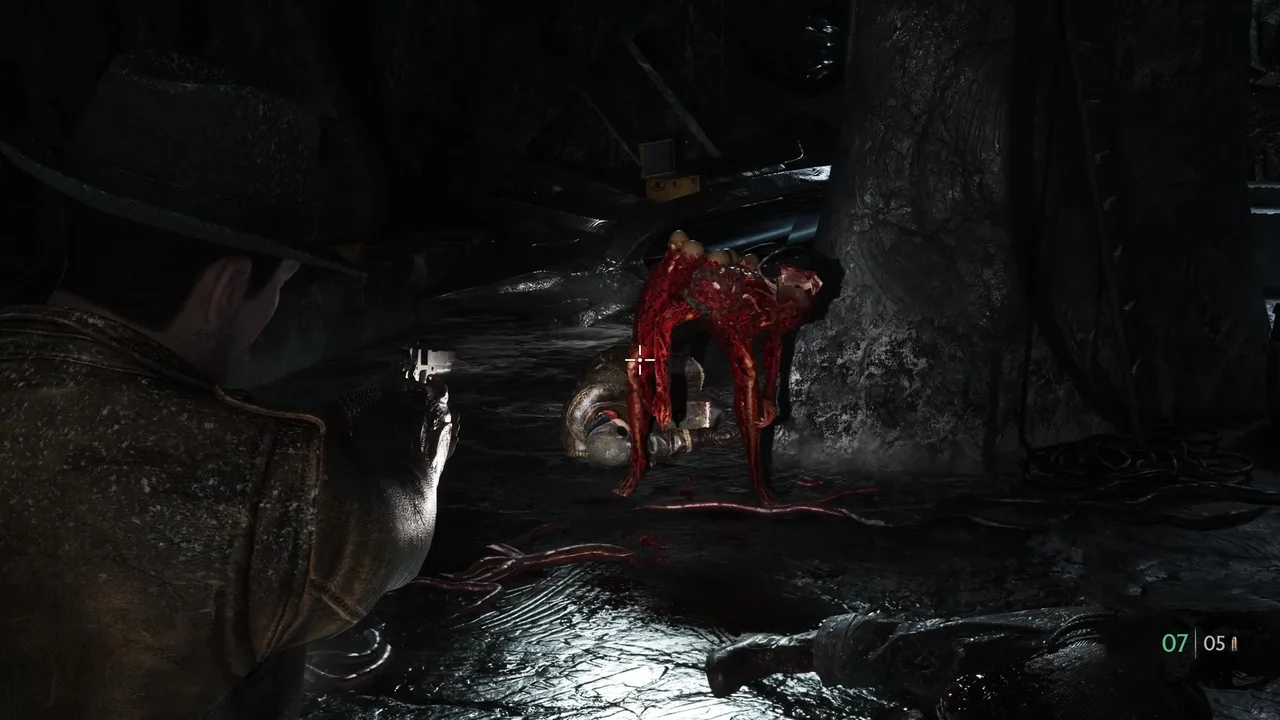
The launch of The Sinking City 2 has finally brought players back into the twisted, Lovecraftian universe crafted by Frogwares. Moving away from the Oakmont setting and the heavy detective focus of the 2019 original game, this sequel plunges players into a fully realized, drowned version of Arkham. Powered by Unreal Engine 5, the game delivers a harrowing survival horror experience that pits players against nightmarish entities like the Deep Ones and the Slither. However, as players dive deeper into the campaign, a specific frustration has emerged within the community. It isn’t related to the game’s difficulty, the intricate resource management, or the performance. Instead, players are voicing their annoyance over a very modern gaming trope that has seemingly infiltrated the cosmic dread: excessive companion hints during boss battles, specifically from the character Faye.
The Survival Horror Shift and the Burden of Companions
When Frogwares announced that The Sinking City 2 would be a fundamental shift toward the survival horror genre, fans were thrilled. The promise was clear: less time spent piecing together mind palace clues in a menu, and more time desperately scavenging for medical supplies and shotgun shells while navigating the flooded, decaying gothic streets of Arkham. You step into the shoes of Calvin Rafferty, a new protagonist whose overarching mission is deeply tied to the mysterious Faye. Their dynamic is central to the narrative, as detailed in our coverage of Calvin Rafferty and the quest for Faye.
While having a companion character or a voice over the radio is a staple in many narrative-driven games, it presents a unique challenge in survival horror. Games in this genre thrive on isolation, vulnerability, and the oppressive silence of an uncaring universe. When you are traversing the murky waters of Arkham in a small boat, the atmosphere is impeccable. The ambient sound design, featuring the creaking of wood and the distant, unearthly shrieks echoing through the fog, perfectly sets the mood.
But when you are thrust into a life-or-death encounter with a colossal, otherworldly monstrosity, the last thing you want is a companion acting like an overeager tutorial prompt. Unfortunately, it seems that Faye’s voice lines during combat were tuned to be far too frequent, leading to what many players are calling “backseat gaming.” In a genre where silence and the unknown are your greatest enemies, having a human voice constantly chiming in to explain exactly what to do feels incredibly out of place and actively works against the atmosphere the developers painstakingly built.
The “Faye” Situation: When Backseat Gaming Invades Drowned Arkham
The discussion gained significant traction recently on community forums, notably on a Reddit thread where a user expressed their dismay over the constant vocal advice during intense encounters. The user, FawkesyGrandpa, highlighted a grievance that has been echoing across the player base: “I am loving this game, I love the characters, but oh my god, Faye, I beg you to stop yelling at me on how to beat this Eldritch horror’s ass. I know my health is low, I DON’T need you to remind me!”
This complaint taps into a broader, industry-wide frustration with modern game design. Over the past few years, major AAA titles have faced backlash for featuring companions who solve puzzles for the player before they even have a chance to think, or who constantly bark tactical advice during fights. The comparison drawn in the community thread to the infamous “Get up on the Hydra’s back!” from Kingdom Hearts or the Guild Master’s health warnings in Fable is painfully apt. We have seen similar controversies in recent blockbuster titles where allies refuse to let the player figure things out organically, treating the audience as if they cannot read visual cues.
In The Sinking City 2, these moments are particularly egregious during major boss battles. When facing down one of the game’s massive Eldritch horrors and bosses, players want to focus on their positioning, their limited ammunition, and the creature’s attack patterns. The visual design of these bosses in Unreal Engine 5 is spectacular, featuring grotesque amalgamations of flesh, tentacles, and marine decay. Having Faye repeatedly shout out the monster’s weak spots, or constantly remind Calvin that he is on the brink of death, shatters the tension. It transforms a terrifying, incomprehensible cosmic threat into a standard video game obstacle that requires a prescribed sequence of actions to overcome. The organic panic of scrambling to reload a revolver while a behemoth charges at you is entirely negated when an NPC is calmly narrating the encounter like a sports commentator.
Cosmic Horror vs. Constant Chatter: A Clash of Tones
To understand why this design choice is so jarring, we have to look at the core tenets of Lovecraftian fiction. Cosmic horror is built upon the fear of the unknown and the insignificance of humanity. The entities you encounter in a drowned Arkham are supposed to be beyond human comprehension. Their very presence should induce madness. You aren’t supposed to know exactly how to kill them; you are supposed to feel lucky just to survive the encounter.
The game mechanically represents this through its returning sanity and mind system, where witnessing these horrors causes Calvin’s grip on reality to slip. This leads to visual distortions, horrifying hallucinations, and a genuine feeling of losing control. The game works incredibly hard to make you feel like you are losing your mind in the face of unimaginable terror.
However, when Faye chimes in to confidently explain exactly how to defeat the cosmic entity, it completely undermines the lore. If a supposed god-like aberration from the deep can be easily analyzed and countered by a human companion yelling instructions, it ceases to be a cosmic horror. It just becomes a big monster with a glowing weak spot. The dread evaporates. The feeling of isolation—a critical component of survival horror—is replaced by the feeling of being supervised by a helpful, albeit annoying, tactical coordinator. It removes the agency from the player and the mystery from the creature. In a universe where looking at a monster for too long can shatter your psyche, having a sidekick yell “Aim for the glowing pustules on its back!” feels profoundly un-Lovecraftian.
Player Reactions and the “RE4 / SH2” Comparisons
Despite the vocal criticisms regarding Faye’s excessive guidance, it is important to note that the overall sentiment surrounding The Sinking City 2 remains highly positive. In fact, another highly upvoted community post recently praised the game’s overall structure, with the player stating, “Had a blast with this game. Highly recommend if you like RE4 and SH2. No you don’t need to play the first game.”
This comparison to Resident Evil 4 and Silent Hill 2 is exactly what Frogwares was aiming for when they announced the shift to survival horror. The core gameplay loop of navigating the flooded city, managing a starkly limited inventory, and engaging in desperate, weighty combat is resonating deeply with fans of the genre. When you are alone in a dark, waterlogged basement, relying on the meager combat guide strategies you’ve developed to fend off a pack of Deep Ones or the grotesque Slither, the game shines brilliantly.
The fact that players are able to look past the annoyance of Faye’s boss-fight commentary speaks volumes about the quality of the surrounding game. The environmental storytelling, the grim Unreal Engine 5 visuals, and the punishing yet rewarding resource economy provide a compelling experience that easily outweighs the frustration of a chatty companion. Players are clearly willing to forgive the occasional immersion-breaking voice line because the underlying mechanics of exploring the drowned ruins of Arkham are so incredibly satisfying.
Will Frogwares Address the Feedback?
As a developer that has historically maintained a close relationship with its community—especially given that The Sinking City 2 was partially funded through a successful Kickstarter campaign—there is a strong possibility that Frogwares will address this feedback in a future patch. The fix could be relatively straightforward: introducing a toggle in the gameplay settings to disable or reduce companion hints during combat, or simply extending the cooldown timer between Faye’s vocal barks.
Until such an update arrives, players will have to grit their teeth and endure the unprompted advice. Some players in the community have jokingly suggested turning down the dialogue volume specifically during boss fights, though this unfortunately means missing out on the game’s otherwise excellent voice acting and critical narrative moments that happen outside of combat. Given the swift release of the initial hotfixes that addressed early performance bugs, the community is optimistic that a “Backseat Gaming Toggle” might be on the horizon. Frogwares has proven they listen to their audience, and adjusting the frequency of companion hints is a quality-of-life update that would instantly elevate the game’s horror atmosphere.
Conclusion: A Minor Blemish on a Great Survival Horror Experience
The Sinking City 2 successfully delivers on its promise to bring pure survival horror to the Lovecraftian mythos. The flooded streets of Arkham are fraught with danger, the atmosphere is suffocating in the best way possible, and the creatures lurking in the depths are genuinely terrifying. While the modern design trap of having a companion over-explain encounters does occasionally pull players out of the experience, it is a testament to the game’s overall quality that it remains a highly recommended title for fans of the genre.
Faye’s insistence on backseat gaming might rob the Eldritch horrors of some of their mystery, but it doesn’t take away from the thrill of surviving by the skin of your teeth in a city that actively wants you dead. As the community continues to explore every dark corner of this drowned world, mastering the brutal combat and uncovering the sinister truths of Calvin’s journey, we can only hope that Frogwares is listening. Perhaps soon, Calvin might finally get the terrifying, uninterrupted silence he deserves when facing down the abyss.