The Sinking City 3? Fans Propose the Perfect Formula for Frogwares' Next Lovecraftian Game
With The Sinking City 2 delivering a tight survival horror experience, players are already pitching a sequel that blends its intense combat with the original's open-world sleuthing.
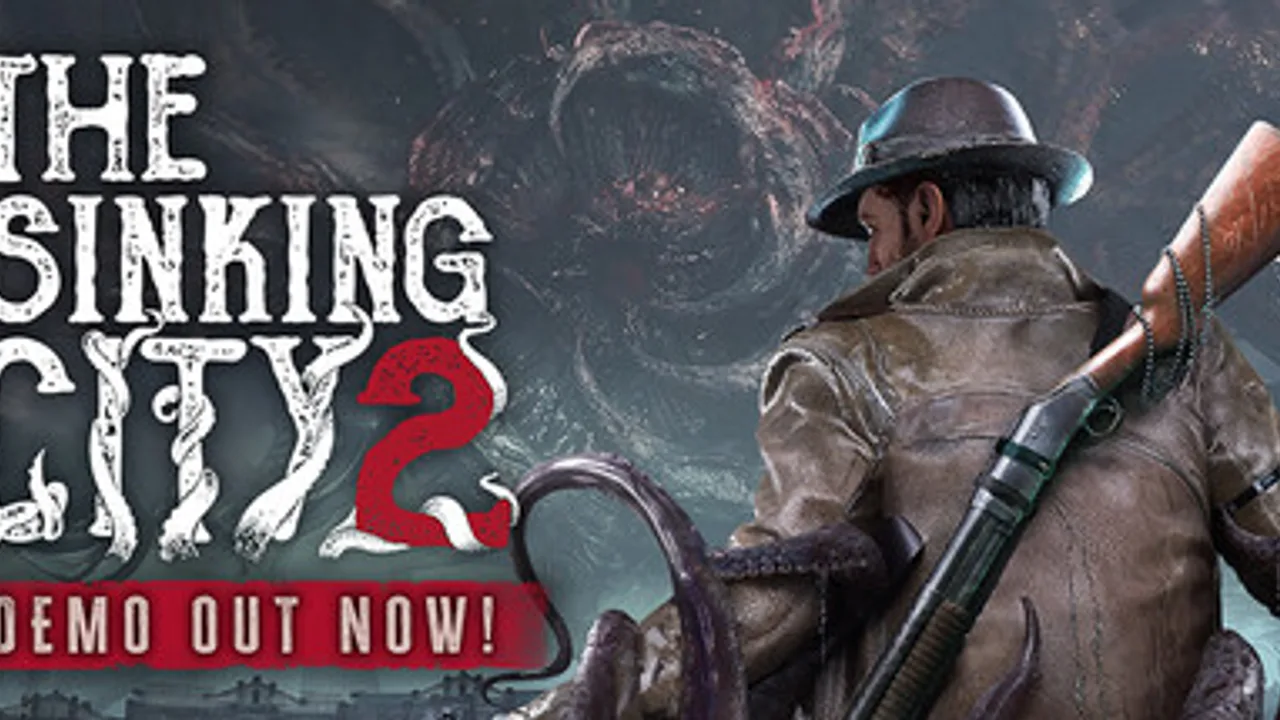
The release of The Sinking City 2 on August 18, 2026, marked a massive turning point for Frogwares. By abandoning the sprawling, occasionally clumsy open-world detective format of the 2019 original in favor of a strictly curated survival horror experience, the Ukrainian development studio took a massive creative risk. Built on Unreal Engine 5 and funded partially through a highly successful Kickstarter campaign, the sequel has been met with significant praise for its terrifying atmosphere. Critics at outlets like Blogcritics have aptly described the game as a “tighter, scarier Lovecraftian nightmare,” applaarding its unforgiving resource management and brutal encounters in the flooded streets of Arkham.
However, as the dust settles just over a week post-launch, the passionate Lovecraftian gaming community is already looking toward the horizon. While players are largely satisfied with the terrifying encounters and polished gunplay featuring Calvin Rafferty, a growing chorus on community forums is asking a fascinating question: What if The Sinking City 3 combined the fluid, desperate combat of this sequel with the intricate, open-world detective mechanics of the original game?
A Tighter, Scarier Nightmare in Drowned Arkham
To understand what the community is asking for, it is essential to analyze what The Sinking City 2 actually delivers. Frogwares made a deliberate choice to shift genres. The 2019 game was fundamentally an investigative adventure game with combat awkwardly grafted onto it. The sequel flips this dynamic entirely. Navigating the drowned city of Arkham is no longer about checking street signs to find a specific address for a mundane interview; it is about surviving the next ten minutes.
The emphasis on true survival horror means that resource scarcity is the driving force behind every decision. Players referencing any survival basics will quickly note that choosing when to fight and when to flee is the core loop of the game. You are constantly scrounging for a few extra revolver rounds, a single medical kit, or enough crafting materials to fashion an incendiary throwable. The atmosphere is undeniably oppressive. The volumetric fog provided by Unreal Engine 5, combined with the grotesque, biologically convincing designs of the Deep Ones, ensures that tension never dissipates.
This hyper-focused design philosophy naturally impacts the game’s overall length. Numerous players on Reddit have reported completing the campaign in roughly 10 hours on hard difficulty. For a survival horror title akin to the classic Resident Evil or Silent Hill franchises, a 10-to-12 hour runtime is perfectly standard. It prevents the horror from overstaying its welcome and ensures that the pacing remains breathless from the opening prologue to the cosmic finale. Yet, for veterans who spent 30 or 40 hours mapping out the city of Oakmont in the first game, this streamlined experience feels surprisingly brief, leaving them hungry for a more expansive world.
The Longing for the Detective’s Life
The brevity and linear nature of The Sinking City 2 have highlighted exactly what was left behind. A highly upvoted Reddit thread recently summarized the sentiments of many veteran fans: “I missed the Open World and the Detective elements. I also preferred the fun ‘pulp’ vibes of the first game, that wasn’t really that scary.”
The original game, despite its technical flaws and repetitive combat arenas, offered an unparalleled sleuthing fantasy. Players were given a map, a case file, and zero waypoints. You had to physically cross-reference street names, visit the local newspaper archives, and use the investigation board to piece together clues in your mind palace. The dialogue options allowed players to shape their interpretation of events, leading to branching outcomes and moral ambiguities that fit perfectly within the cosmic horror mythos.
In The Sinking City 2, Calvin Rafferty is certainly investigating a mystery regarding Faye, but the player is rarely asked to do the heavy lifting of deduction. The narrative pulls you forward through beautifully crafted, terrifying environments, but the agency of being a private investigator has been largely replaced by the agency of being a survivor. Fans are realizing that while they love the terror of Drowned Arkham, they deeply miss the intellectual satisfaction of solving a convoluted mystery in a breathing, albeit decaying, open city.
Pitching the Ultimate Formula for a Sequel
This dichotomy has led the community to pitch an ambitious blueprint for The Sinking City 3: a game that refuses to compromise, blending the robust action mechanics of the current game with the open-ended investigative structure of the 2019 title.
Imagine a game where you are tasked with solving a series of gruesome murders across a fully open-world Arkham. You must navigate the flooded streets by boat, docking at various dilapidated neighborhoods to interview suspicious locals and gather evidence. The investigative mechanics would require you to cross-reference archives and connect deductions just as you did in Oakmont.
However, when an investigation inevitably goes sideways and you uncover a cultist hideout, the gameplay would seamlessly transition into the polished, weighty combat of the sequel. Players could rely on the tactics detailed in the current combat guide, utilizing precise aiming, environmental hazards, and desperate melee shoves to survive. Rather than the clunky, disjointed combat encounters of the first game, every shootout in this hypothetical sequel would carry the terrifying weight and mechanical polish of The Sinking City 2.
The enemy encounters would also benefit immensely from an open-world application. Currently, monstrosities like the Slither are encountered in carefully designed, mostly linear set-pieces. Placing these horrifying entities into a systemic open world—where they could ambush your boat in the open water or stalk you through a massive, multi-story asylum while you search for clues—would elevate the horror to unprecedented levels. The tension of managing your sanity system would no longer just be a combat modifier, but a constant threat as you traverse the city, hallucinating false clues or seeing phantom suspects.
Looking Ahead: Expanding the Nightmare
Whether Frogwares has the resources or the desire to return to an open-world format remains entirely unconfirmed. Developing a tightly paced survival horror game is fundamentally different from designing a sprawling, systemic open-world detective RPG. The studio faced immense real-world challenges during the development of this sequel, and delivering such a polished, focused experience is a monumental achievement in its own right.
In the immediate future, the developer’s focus appears to be on expanding the current game’s reach. Reports have already confirmed that The Sinking City 2 is expected to launch on the Nintendo Switch 2 in 2027, ensuring that a wider audience will experience the horrors of Arkham. There are also ongoing community discussions regarding graphical adjustments, with some PS5 Pro players hoping for patches to toggle the game’s heavy film grain effects to improve visual clarity on high-end displays.
As the community continues to dissect every corner of Drowned Arkham, the success of The Sinking City 2 proves that Frogwares has mastered the art of Lovecraftian survival horror. If they ever choose to take these refined combat mechanics, terrifying monster designs, and breathtaking Unreal Engine 5 visuals back into the realm of an open-world detective narrative, The Sinking City 3 could easily become the definitive cosmic horror video game experience. Until then, players will just have to make sure their revolvers are loaded and their lanterns are full as they survive the nightmare currently at hand.