Brood of the Deep
Aquatic Swarm
The Brood of the Deep are rumored smaller kin of the Deep Ones in The Sinking City 2. Speculative lore, expected tactics, and water combat tips.
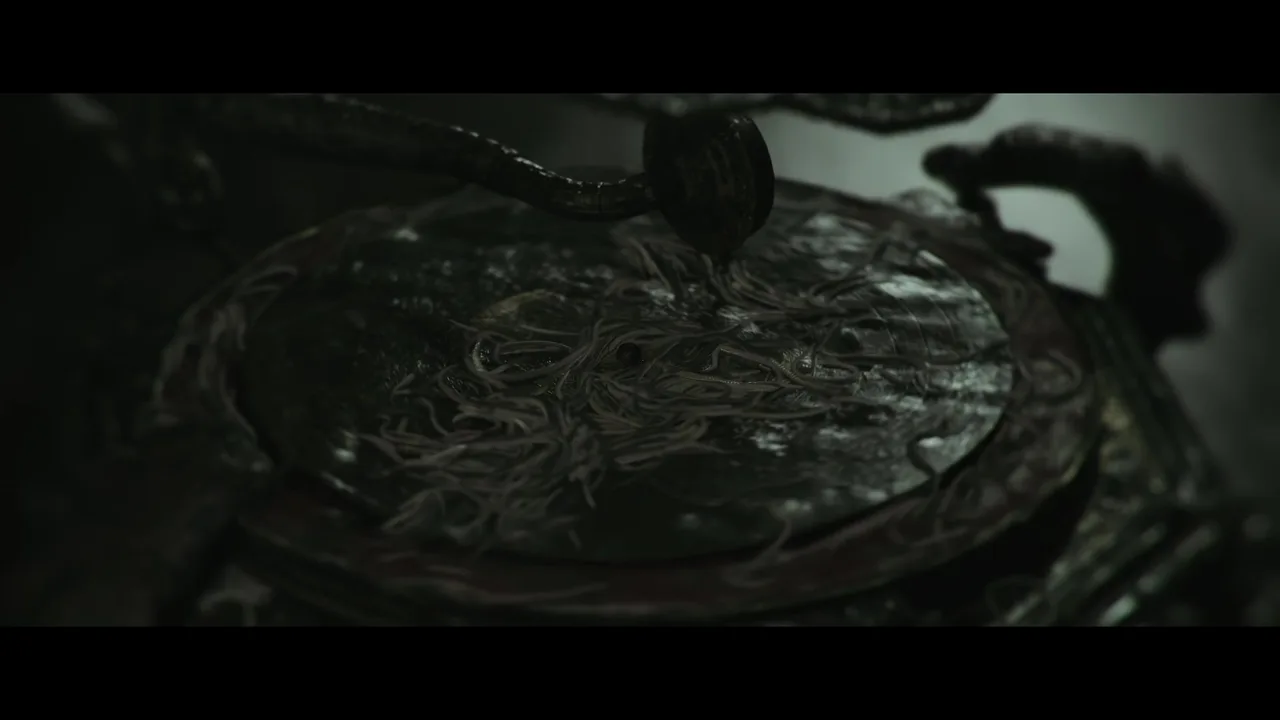
The big ones you can see coming. It's the little ones, the ones that swarm under the surface — those are what keep me off the water.
Speculative entry. Frogwares has not confirmed the Brood of the Deep by name. This entry is based on Lovecraftian lore, the confirmed presence of Deep Ones in TSC2, and the reasonable assumption that a game set in a flooded city with aquatic enemies will include a smaller, swarming water-based threat. Take everything here as informed speculation until official details emerge.
That said — if the Deep Ones are the sharks of Arkham’s floodwaters, something has to be the piranhas.
Lore
In Lovecraft’s expanded mythology, Deep Ones have a lifecycle. They don’t spring into existence fully formed — they breed, grow, and mature over time. The Brood would be the juvenile or lesser variants: smaller, faster, less individually powerful, but far more numerous. Think of them as the ecological underside of the Deep One presence in Arkham.
The flood created an entire aquatic ecosystem in what used to be a city’s streets and basements. Adult Deep Ones occupy the deeper, more open waterways — the harbor, the submerged avenues, the flooded ground floors of major buildings. The Brood would occupy the shallower, tighter spaces: drainage canals, flooded crawlspaces, the water pooling in basements and alleys. Places too small or too shallow for a full-grown Deep One, but perfect for something the size of a large dog.
Their presence would explain why even ankle-deep water in Arkham feels threatening. You can see a Deep One coming — they’re large, they displace water, they make noise. The Brood might be small enough to hide beneath the surface in water you thought was too shallow to harbor anything. A puddle in a hallway suddenly becomes a threat if something with teeth lives in it.
If Frogwares follows the Lovecraftian template, the Brood might also represent the hybrid offspring of Deep Ones and humans — a deeply uncomfortable corner of the mythos that TSC2 could lean into for body horror. Creatures that are almost recognizable as something that was once partly human, but twisted and malformed into something amphibious and predatory.
Behaviour
Swarm is the defining mechanic. Where a Deep One is a singular threat you engage one-on-one, the Brood would operate as a group — five, ten, maybe more, emerging from the water in a coordinated rush.
Individually, they’d be fragile. A single pistol round should drop one. But you don’t fight one. You fight a dozen, and they come from every direction simultaneously. They’d be fast in water — darting, unpredictable, breaking the surface to snap at your legs and submerging again before you can track them.
On dry ground (if they even leave the water), they’d be less mobile but still dangerous in numbers. Picture something the size of a large fish or a small hunched amphibian, scrambling across wet floors in a pack, converging on your position from multiple entry points.
The brood-leader concept is speculative but plausible: a slightly larger individual that coordinates the swarm’s attacks. Kill it, and the rest scatter or become less organized. It would give you a priority target in what’s otherwise an overwhelming numbers game — a design pattern common in survival horror games.
Their attacks would be individually minor — small bites and scratches that chip at your health — but cumulative. Stand in a swarm for too long and the damage stacks fast. They might also have a grab-and-drag mechanic in deeper water, pulling you under momentarily.
How to fight it
Area-of-effect is king. A single throwable — molotov, pipe bomb, whatever TSC2’s crafting system offers — into a cluster of Brood would be the efficient play. One grenade’s worth of resources to clear a dozen enemies is a trade you should make every time.
The shotgun at close range serves a similar purpose: wide spread, multiple hits. Against a swarm of small targets, precision is less important than coverage.
If you’re fighting them with a pistol or rifle, don’t try to track individual Brood. Fire into the densest part of the group. Volume of fire matters more than accuracy when your targets are small, fast, and numerous.
Staying out of the water is the best defense. If you can fight from a raised position — a dock, a staircase, a piece of debris above the waterline — you force the Brood to come to you on your terms. In water, you’re slow and they’re fast. On dry ground, at least you can move and they have to close distance across open floor.
For boat encounters, the Brood might attack the boat itself rather than you directly — trying to breach the hull, rocking it, or swarming over the sides. Keeping the boat moving might be the primary defense, with targeted shots to clear any that get aboard.
If the brood-leader mechanic exists, identifying and dropping it early changes the fight from “survive a swarm” to “clean up scattered survivors.” Look for the largest Brood, the one that seems to be directing the others’ movements, and prioritize it.
Fire is probably the most effective elemental tool. A lit flare dropped into shallow water might create a zone the Brood avoid, giving you a safe area to operate from. The flashlight would help you spot them beneath the surface before they attack.
Where you’ll meet it
Shallow water everywhere. The Brood would occupy the spaces between Deep One territory and dry land — the transitional zones where water is present but not deep enough for adult aquatic predators. Flooded basements, drainage systems, the shallows at the edge of flooded streets, tidal pools in ruined harbor areas.
If you’re wading through water and it’s not deep enough for Deep Ones, that doesn’t mean it’s safe. The Brood would fill exactly that gap in the threat map — ensuring that no depth of water in Arkham is truly free of danger.
Expect them most in exploration-heavy sections where you’re moving through partially flooded environments. They’re the threat that keeps you on edge during quieter moments, the reminder that even when the big monsters aren’t around, the water is never empty.
Again — this is speculative. Frogwares might handle the aquatic threat spectrum differently. But some version of a smaller, swarming water threat feels almost certain in a game this committed to making its floodwaters terrifying.