The Sinking City 2 Confirmed for GeForce NOW Launch: Experience UE5 Survival Horror in the Cloud
The Sinking City 2 is officially joining Nvidia GeForce NOW on its August 18 release date, allowing you to survive the flooded Arkham without high-end PC hardware.
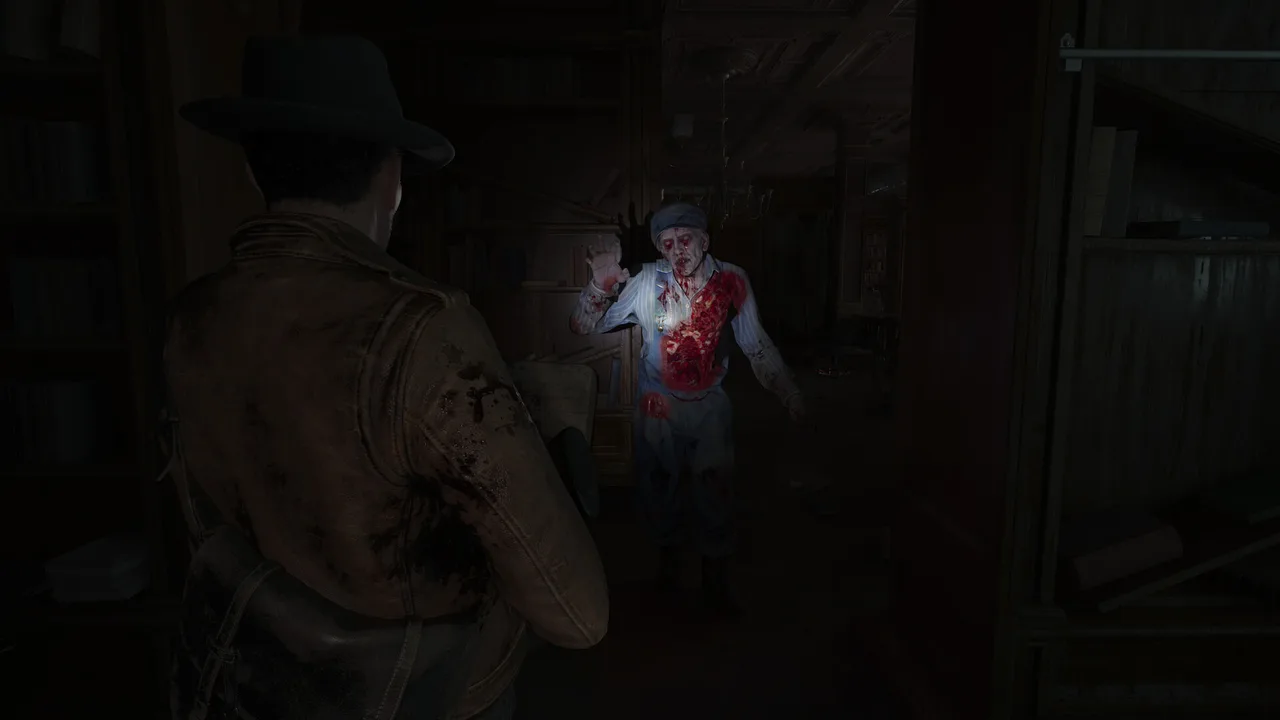
The highly anticipated release of Frogwares’ The Sinking City 2 is rapidly approaching, and a massive update has just surfaced for players who might be worried about their current PC hardware capabilities. According to the latest GFN Thursday updates officially published by Nvidia, the upcoming Lovecraftian survival horror title is confirmed to join the GeForce NOW streaming library on its exact launch day, August 18, 2026. This confirmation means that anyone with a stable broadband connection and an active GeForce NOW subscription can plunge into the terrifying, flood-ravaged streets of Arkham without needing to invest in a high-end, expensive gaming rig.
For many dedicated fans who have been closely following the game’s development cycle ever since its remarkably successful Kickstarter campaign, this is incredibly reassuring news. The Sinking City 2 represents a significant, calculated evolution from the 2019 original. Frogwares has explicitly shifted the franchise’s creative direction, moving deliberately away from the heavy detective and investigation focus of the first game—which was set in the city of Oakmont—and pivoting hard into the uncompromising, resource-starved realm of pure survival horror. Powered by the state-of-the-art Unreal Engine 5, the visual fidelity, dense environmental details, and dynamic lighting mechanics are expected to be genuinely breathtaking. However, these massive graphical upgrades also demand substantial computational horsepower, which makes the cloud gaming option a highly relevant alternative.
Bypassing the Unreal Engine 5 Hardware Barrier
When Frogwares released the PC demo earlier this year during Steam Next Fest, the community quickly realized that exploring this new, nightmare-inducing iteration of Arkham was going to push many modern graphic cards to their absolute limits. The developers have aggressively utilized Unreal Engine 5’s feature set—including Nanite virtualized geometry and Lumen global illumination—to create a truly oppressive and suffocating atmosphere. The dynamic water systems simulating the catastrophic flood, the thick volumetric fog rolling through the ruined gothic streets, and the intricate, glistening, grotesque designs of the eldritch monstrosities all contribute to a deeply immersive visual experience.
However, achieving this high level of graphical fidelity inherently comes at a noticeable cost to system performance. Many players participating in the demo testing phases reported that maintaining a stable sixty frames per second required a very robust modern GPU and CPU combination, leading to widespread concerns among those utilizing older hardware setups. If you have checked out our detailed breakdown of the [system requirements](/guides/system-requirements/), you already know that running the game at higher settings with ray tracing features enabled is an extremely demanding task.
This is exactly where the GeForce NOW announcement becomes a pivotal development for the community. By streaming the game directly from Nvidia’s high-performance data centers, players can completely bypass their local hardware limitations. Those utilizing the Ultimate tier of GeForce NOW will reportedly have access to RTX 4080-class performance in the cloud. This means you can theoretically maximize the graphics settings, enable full ray tracing to see every terrifying shadow, and maintain a buttery-smooth frame rate while exploring the ruined city—all on a modest laptop, an aging desktop PC, or even compatible smart TVs. The ability to witness the horrifying beauty of Unreal Engine 5 exactly as the developers intended, without spending thousands of dollars on a major PC upgrade, opens the game up to a significantly wider global audience.
Navigating the Drowned Arkham Safely
The central setting of The Sinking City 2 acts as a menacing character in its own right. The narrative transports players to an alternate, grim version of the 1920s United States, specifically to the infamous, cursed city of Arkham, which has been submerged by a catastrophic and clearly unnatural flood. This “drowned Arkham” is a masterclass in gothic, Lovecraftian environmental design. The rapidly rising waters have entirely swallowed the lower levels of the city, leaving only the upper floors, crumbling rooftops, and precarious makeshift walkways accessible by foot.
To traverse this waterlogged, decaying nightmare, players will heavily rely on small, motorized boats. This isn’t just a simple or passive traversal mechanic to get from point A to point B; it is a core, tension-filled pillar of the gameplay loop. The murky, impenetrable depths beneath your fragile vessel hide unspeakable horrors, making every single journey across the open water a tense, nerve-wracking ordeal. Understanding the intricacies of [boat and navigation](/systems/boat-and-navigation/) is absolutely essential for your survival. You will need to carefully maneuver your craft through debris-choked canals, avoid submerged hazards that can damage your engine, and frantically search for safe docking points to scavenge for desperately needed supplies.
The audio-visual design plays a massive role in building tension here. The constant, rhythmic lapping of the dark water against the wooden hull, occasionally broken by unnatural, heavy splashes or guttural, echoing sounds from the deep, ensures that you never feel truly safe while navigating the waterways. Streaming the game via a high-end cloud platform like GeForce NOW will ensure that the complex water physics and high-resolution reflections—which are often the most demanding graphical elements in modern video games—are rendered flawlessly, keeping you entirely immersed in the terrifying reality of this flooded metropolis without jarring frame drops breaking the immersion.
A True, Unforgiving Survival Horror Experience
As previously noted by the developers and confirmed during the Kickstarter campaign, Frogwares has made a deliberate and bold design choice to fully embrace the survival horror genre. In the 2019 predecessor, players often felt empowered by their deductive reasoning skills and the relatively straightforward, manageable combat encounters. In The Sinking City 2, that comforting sense of empowerment has been entirely stripped away. You are no longer a hardened investigator who can easily shoot their way out of trouble; you are a highly vulnerable human being trapped in an inescapable waking nightmare.
Resources are strictly and aggressively limited throughout the flooded city. Ammunition is incredibly scarce, healing items are a rare luxury, and every single encounter with the otherworldly denizens of Arkham is a desperate, bloody fight for your life. You must constantly and carefully weigh the high risks and potential rewards of engaging in frontal combat versus attempting to stealthily sneak past terrifying enemies. When you do find yourself forced to fight, the encounters are brutal, chaotic, and highly unforgiving.
Among the horrifying creatures actively stalking the flooded ruins are the iconic, terrifying [Deep Ones](/bestiary/deep-ones/). These amphibious, humanoid monstrosities are agile, relentless, and incredibly lethal, especially if they manage to trap you in close quarters. Taking them down efficiently requires precise aiming, a solid understanding of their unpredictable attack patterns, and incredibly careful management of your limited arsenal.
Furthermore, community reports and gameplay previews have hinted at other grotesque threats lurking in the shadows, such as the elusive creature known as the Slither. Facing these abominations is not meant to be a power fantasy. The shift to Unreal Engine 5 means that these creatures look significantly more grotesque, organic, and terrifying than ever before, featuring wet, glistening scales and erratic, unnatural movements that are specifically designed to test your nerves and trigger a deep sense of revulsion.
The Psychological Toll: Managing Your Sanity in the Cloud
Physical threats like monsters and environmental hazards are only half the battle in The Sinking City 2. Frogwares has brought back the iconic sanity system, and according to official gameplay trailers, it is reportedly much more deeply integrated into the core survival mechanics than it was in the first game. Witnessing cosmic horrors directly, lingering too long in the oppressive darkness, or suffering traumatic physical injuries will cause your character’s fragile mental state to deteriorate rapidly.
When your sanity meter drops to dangerous levels, the game actively begins to mess with your perception of reality. Intense visual and auditory hallucinations will make it increasingly difficult to distinguish between genuine, physical threats and the terrifying figments of your shattered mind. You might see grotesque enemies that aren’t actually there, hear unnerving whispers echoing in empty rooms, or find your vision severely warped by disorienting, terrifying visual screen filters.
Effectively and proactively managing your [sanity and mind](/systems/sanity-and-mind/) is just as critical as managing your physical health and your ammunition reserves. You will need to actively seek out safe sources of light, carefully utilize specific calming consumables, and sometimes you will simply have to turn and run away from overwhelming cosmic dread in order to keep your mind intact. Playing on a robust platform where you can experience these high-fidelity visual distortions and complex auditory hallucinations without any technical performance hitches or stuttering will undoubtedly amplify the psychological horror aspect of the game. A sudden, jarring frame drop caused by hardware strain can instantly pull a player out of the experience; smooth, consistent performance keeps the psychological tension ratcheted up to the maximum level.
Final Preparations for the August 18 Launch
The official inclusion of The Sinking City 2 in the GeForce NOW library on day one is a massive, highly positive win for the gaming community. It ensures that the formidable technical barriers to entry are significantly lowered, allowing passionate fans of Lovecraftian fiction and hardcore survival horror to dive headfirst into this highly anticipated sequel, regardless of their local hardware capabilities or budget constraints.
As we rapidly approach the finalized August 18 release date, players who are planning to utilize GeForce NOW should take the time to ensure their network connections are properly optimized and their subscription accounts are active and ready. The game will simultaneously be available natively on PC (via Steam, the Epic Games Store, and GOG), as well as on current-generation consoles including the PlayStation 5 and Xbox Series X|S. This multi-platform and cloud-supported launch strategy means that players across all major ecosystems will soon be testing their mettle against the ancient horrors of the flooded city.
Whether you are cautiously exploring the decaying, water-logged remains of downtown Arkham, desperately fighting off a vicious pack of Deep Ones with your last few bullets, or simply trying to keep a firm grip on your own sanity in the face of cosmic insignificance, The Sinking City 2 promises to deliver a genuinely harrowing and unforgettable gaming experience. The countdown is officially on, and the dark, unforgiving waters of Arkham are waiting to claim you.